
Home Blog Page 291

Provantage Media Group Expands Marketing Offering With Field Force

Provantage Media Group Expands Marketing Offering With Field Force

Provantage Media Group (PMG) has launched a new division, Field Force, which sees PMG expand its existing field sales and marketing offering as its own dedicated division, with the goal to grow this division into one of the leaders in the R12 billion per annum sales and merchandising sector.

As a media owner, PMG will be leveraging this position, as well as the influence of its existing Out-of-Home divisions, to further strengthen the Field Force offering. This will include adopting an agile, customisable and personalised approach to executing on the sales and marketing needs of customers, which, along with PMG’s understanding of brands and marketing spend, makes for a compelling proposition.

Provantage Media Group Expands Marketing Offering With Field Force

Mzi Deliwe, deputy CEO of Provantage Media Group said, ’Whilst current trends show an increase in online shopping, an omnichannel approach is definitely high on any brand’s sales agenda. Consumers will still inevitably spend part of their shopping experiences interacting with people in the physical world. While this personal dimension in engagement remains a core driver for shoppers, the opportunity is heightened for companies to leverage their teams to engage in person in a dynamic and effective manner.’

The Field Force team is able to connect brands with consumers across a wide scope of channels and sectors within the South African and broader African markets, managing all activities that involve face-to-face contact with channel-influencing shoppers, who have become extremely effective in driving sales and leveraging sales opportunities.

Led by general manager Carmen Brown – a vastly experienced industry professional with a proven track record – Field Force has a strong leadership and management in place, all equipped with extensive retail experience in driving field sales teams to deliver against its pillars of being ‘fast, effective and agile’. This experience complements the services already offered by ProActive, PMG’s brand activation agency.

This experience is supported by best-in-class technology and business intelligence, which enables Field Force to maximise the use of information on stock levels, sales, strike rates, and targets, along with providing a visual representation of brand performance at trade level.

The Field Force service offering is ideally positioned to deliver against business objectives In a market exemplified by the outsourcing of field sales and merchandising activities by brand owners. The offering includes full end-to-end field sales services, from sell-in to sell-through, lead generation, direct sales, merchandising, surveys, training and all the other sales and merchandising offerings that a client would expect, but all wrapped up in a custom-designed and client-specific tailored offering.

PROVANTAGE MEDIA GROUP
www.provantage.co.za


Nedbank IMC Announces 2021 Marketing Conference

Dale Hefer, IMC Conference CEO, said that while marketing can be a drama, action or a thriller, it is always a love story and it is time to bring back some true romance to the industry though: ‘Marketing. The Movie. The Nedbank IMC 2021 Conference Blockbuster’.

The marketing conference is rolling out the red carpet on 29 July 2021 and is set to be the marketing blockbuster of the year. Another one of the leading ladies of the day is conference Master of Ceremonies, actor and comedian, Tumi Morake. Modern Marketing is a proud media partner of the Nedbank IMC. 

‘Our cast of A-list speakers, both local and international, will be taking delegates through all the action, suspense, drama and romance that is marketing today,’ said Hefer. 

The first confirmed international star of the show, Susan Credle, will be presenting from New York and her talk will be followed by a live Q&A. Credle is the Global Chief Creative Officer at FCB and when she speaks, the industry listens. She is the first female chairperson of The One Club for Creativity. She champions up-and-coming creative talent and advocates for industry inclusion across culture, race, gender and orientation. Her belief is that the more varied the industry, the stronger and better off we will be. 

Susan Credle, Global Chief Creative Officer, FCB.

In another marketing conference first, delegates will be able to watch the conference in person at the Monte Cinema in Johannesburg. They will also be able to watch the marketing production of the year virtually from wherever they are in the world. ‘Our virtual conference in 2020 was acclaimed as setting the benchmark for virtual conferences,’ said Khensani Nobanda, Nedbank Group Executive for Marketing and Corporate Affairs. ‘We are ready to take it to the next level.’

In keeping with the theme, one of the sessions of the day will be Nobanda having a frank discussion with Mike Brown, Chief Executive of Nedbank. The session is titled: ‘How to ensure your CEO doesn’t see marketing as an Indecent Proposal’.

NEDBANK IMC 
www.imcconference.com

Eskort Refreshes Brand Identity

Eskort Refresh Corporate Identity

Eskort partnered with MetropolitanRepublic to refresh its corporate identity and launch a new creative platform with an exciting campaign that walks and talks like a truly iconic South African brand.

The refreshed corporate identity builds onto an already iconic logo by presenting a newly developed typeface and iconography that speaks to the textures of our country. The new creative platform ‘It’s Eskort’ becomes how the current payoff line ‘Life’s Delicious’ comes to life in a way the consumer can touch and feel, helping Eskort cement its household name status among certain consumer segments and grow awareness for its taste, and safety reputation. 

Taking this new corporate identity and positioning to market is a 360 degree campaign that is dominated by television and digital because they both offer high reach nationally, build reach fast versus other media platforms, and offer the ability to use and leverage similar content.

The personality of the television campaign, which sees two executions launching in November and one in January, is inclusive, optimistic, innovative and resourceful. Their tone is local, loud, proud and humorous. 

The new corporate identity and pay-off line launched on November 18 with the TV commercials and digital work, as well as branding at Eskort’s head office and processing plants. Other elements in the retail environment and promotional activities roll out over the next few months. 

The rationale behind the brand refresh lies in the agency and brand’s collective assertion that the pork industry is primed for a strong player to step in, or rather step up, to reinvent the market category. 

Eskort’s Group Marketing Manager, Marcelle Pienaar, explained, ‘The pork category is facing several challenges right now. South Africans don’t buy and consume enough pork products. They are simply unaware of the myriad consumption opportunities. In a nutshell, the majority think pork is just bacon, sausages and sandwich ham, whereas – in reality – it’s so much more.’ 

‘Our challenge to MetropolitanRepublic was four-fold: educate our consumer groups; differentiate the Eskort brand; build brand recognition and quality, taste and safety attributes; and build relevance and emotional connection with the youth. Doing this, we know, will revitalise the entire category,’ she added.

The agency’s response to Eskort’s request was to disrupt the convention that pork should be positioned on quality and safety alone but instead leverage the positive associations and sensory triggers of the eating experience and occasion.

According to MetropolitanRepublic Executive Creative Director, Kamogelo Sesing, ‘Creating the new brand positioning and creative platform wasn’t about making up a space that Eskort could own. It is about owning the space it has already created and amplifying it,’ said Sesing.

Sesing added that the brand also comes alive in the digital world, which will be driven through MetropolitanRepublic’s proprietary Always On digital process. The success of this process hinges on all content being created a month in advance so that the team can focus its time on optimisation rather than simply ‘getting things live’. This ensures it is always engaging reactive and proactive with the various online communities and constantly making media optimisations.

METROPOLITAN REPUBLIC
info@metropolitanrepublic.com
metropolitanrepublic.com

OneDayOnly Unpacks E-Commerce Trends And Online Shopping Consumer Behaviour

OneDayOnly Launches Ecommerce Odometer
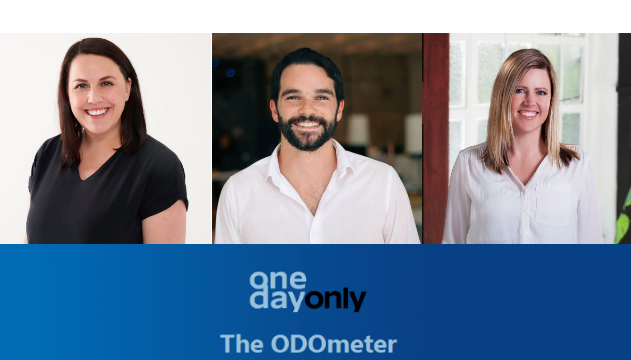
Lunique Theunissen, Head of Marketing; Matthew Leighton, Creative Director; and Laurian Venter, director at OneDayOnly.

Modern Marketing attended the virtual launch of the OneDayOnly annual commerce Odometer – which is released to better understand South Africa’s online consumer behaviour behind the rapidly expanding local e‐tailer sector. The annual index was conducted among 5806 OneDayOnly shoppers.

The South African e‐commerce industry has experienced a massive boom in 2020. Accelerated by the Covid-19 pandemic, Rand Merchant Bank estimates that the value of e-commerce transactions in South Africa will surge 150% to R225 billion by 2025.

Speaking at the inaugural virtual survey launch, Laurian Venter, director at OneDayOnly, highlighted that 24/7 shopping capability has given rise to increased customer expectations and demands. ‘Our job is to stay on top of these expectations in order to continue giving consumers what they want, which is why we set out to conduct this research.’

OneDayOnly’s Creative Director, Matthew Leighton explained that in a year where nothing has made sense, this informative and insightful research lets us know exactly where South Africans stand with online shopping. ‘The ODOmeter looks at everything from industry trends, to customer expectations, to online behavioural insights – and we hope to build on it every year.’

OneDayOnly Launches Ecommerce Odometer 1

Leighton noted that the biggest drawcard to online shopping in South Africa appears to be convenience. ‘According to the survey, around 62% of online shoppers are in the 25–44 year age bracket, which tells us that millennials and Gen Z are driving online spending. The majority (61%) of respondents said they shop online due to the convenience, while 15% believe online shopping provides a greater selection of items to choose from, and another 15% reckon things are generally cheaper online.’

‘Interestingly, despite the undeniable correlation between our recent e-commerce boom and the ongoing Covid-19 pandemic, only 5% of respondents said they shop online because it is safer than physical shopping,’ he added.

In terms of what they are shopping for, Leighton revealed that only 19% of shoppers actually know what they are looking for when logging on. ‘Our research shows us that 35% of online shoppers just browse to see if anything strikes their interest, while another 35% hunt for deals and bargains. This goes to show just how important it is for e‐tail sites and apps to be engaging, user-friendly, and speak directly to the consumer.’

‘We also found it interesting that around 45% of consumers were concerned about whether they were supporting local businesses while shopping online. It may be that South Africans have become increasingly aware of the impact that the pandemic has had on local businesses. It may be prudent for e-tailers to place more emphasis on the locally manufactured items in their catalogue.’

While 68% of respondents had shopped online before the onset of the pandemic, the general consensus was that lockdown led to a marked rise in online shopping. Leighton added that this increased volume of sales, naturally came with more online returns. ‘Unsurprisingly, clothing and apparel are the most returned items (47%), followed by tech (25%).’

However, one surprising finding was that almost half (45%) of online shoppers have never returned a product bought online. ‘In terms of what’s next, stimulation and growth are more important than ever before for the South African economy. We believe that e-commerce, which has shown an immense rise and vast untapped potential, can make a real contribution in this regard. In addition, Black Friday is the biggest opportunity for the e-commerce industry to contribute towards economic reinvigoration,’ he concluded.

The ODOmeter will be conducted on a quarterly to assess the shifts and changes in this rapidly evolving sector.


ONE DAY ONLY
onedayonly.co.za

Black Friday Market Intelligence And Consumer Insights

Nicolet Pienaar, Head of Market Insights at Growth from Knowledge (GfK) South Africa, provides market intelligence and consumer insights about the trends GfK expects to unfold over Black Friday. 

Click-and-mortar retailers and domestic appliances are expected to be the big winners over the crucial November retail promotional season as consumers open their wallets and retailers pull out all the stops for Black Friday.  

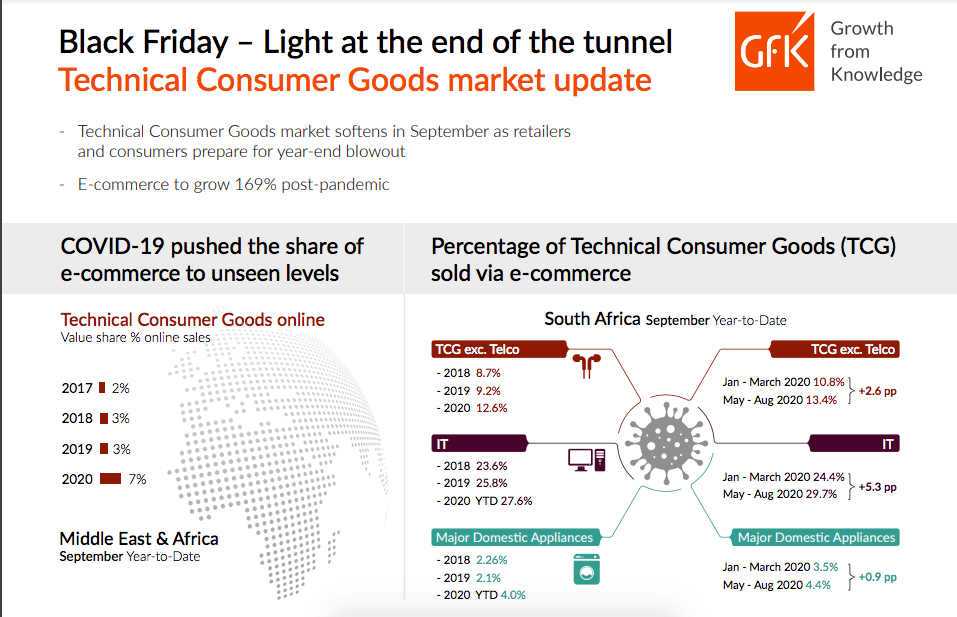
The promotional period will add further momentum to the dramatic growth in e-commerce adoption in South Africa throughout 2020. GfK’s point of sale data shows that 12.6% of technical goods (excluding telecoms products) sold in South Africa for the year to August were sold via e-commerce – up from 8.7 percent for 2018 and 9.2 percent in 2019.

For the first quarter of 2020 – before the national lockdown – 10.8 percent of technical goods (excluding telecoms products) were sold via ecommerce. For the period from May to August, this leapt to 13.4 percent. GfK is forecasting a 169 percent growth rate for the ecommerce channel post-COVID-19 (May – December 2020).

Omnichannel set to grow 

With consumers discouraged from cramming into shopping malls over the Black Friday and Cyber Monday weekend, e-commerce is likely to boom over November. Retail chains that have established robust online shopping facilities and logistics engines are likely to be some of the biggest winners of the month. 

Our research in Europe and South Africa shows that click and mortar retailers are well positioned in the pandemic – even more so than the pureplay e-commerce stores. Loyal buyers are putting their trust in the online presence of their preferred offline retailers. They feel that the physical presence of these stores means they can follow up with a human if they encounter any problems. 

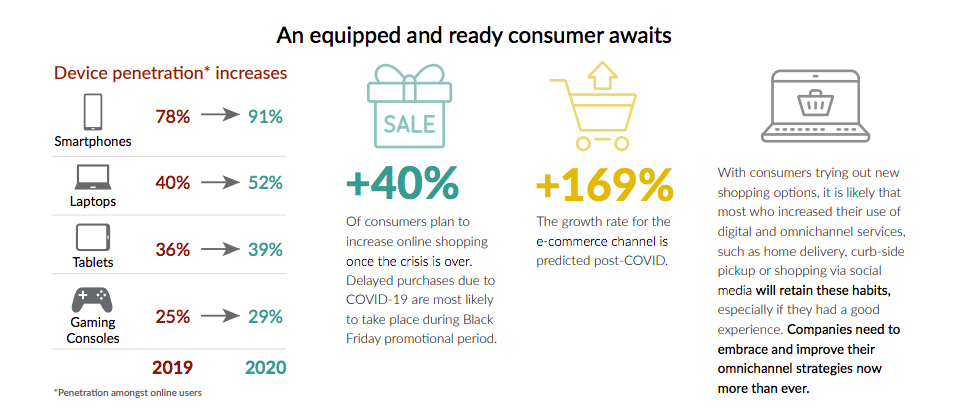
This represents a pivotal moment for brands in the evolution of their omnichannel strategies, she added, ‘The majority of consumers who increased their use of digital and omnichannel services, such as home delivery, curb-side pickup, click-and-collect or shopping via social media platforms will retain these habits, especially if they had a good experience.

‘Need’ buying versus ‘want’ buying 

The battle for the consumer’s rand will be fierce this Black Friday period. GfK’s Consumer Pulse research indicates that 71% of online consumers have seen their household income decrease. Nearly a third (32%) are experiencing lower expenditure. The news isn’t all bad – 16% agreed this is a favourable time to make a big purchase and 10% said they plan to make a big purchase for the home.

Reduced activity – less dining out and scaled back holiday plans, for example – means that some consumers have money to allocate elsewhere. Unlike previous years where much of the Black Friday spending came from people spoiling themselves, we expect consumers to invest in their homes, continuing the trend seen under lockdown earlier this year.

At this time of economic stress, GfK expects consumers to buy what they actually need, rather than buying to fulfil a want as they might have done before the pandemic. This is fuelling demand in categories such as small and major domestic appliances. As such, the stay-at-home nature of the current crisis presents great opportunities for brands in home-related categories.

How, why and what consumers shop this Black Friday is likely to be different in 2020 to previous years. But the massive scale of the event won’t change. The winning brands will be those that enforce and safeguard consumer safety and security, take advantage of their longstanding brand equity, and deliver simple propositions that offer value for money.

September sales dip

GfK’s Market Intelligence (Point of Sale tracking) data from GfK South Africa’s Weekly Monitor shows a slowdown in the technical goods market, most likely due to a combination of consumers holding back for Black Friday and consumers having caught up on their lockdown-delayed purchases in August. For the month of August 2020, Technical Consumer Goods revenues showed a year-on-year growth of 15%.

For the month of September, year-on-year growth dropped to just 3%. Office equipment and stationery was the overperformer with 49 percent year-on-year growth in September (down from 83% in August), while IT growth fell to 4% compared to 47% in August. Small domestic appliance revenues dipped from 37% in August to 32% in September, while major domestic appliances dropped from 24% to 11%.

GFK 
gfk.com/home

Improving User Experience Through Digital Signage

Improving User Experience Through Digital Signage

According to LG, digital signage is a standard for most fast-food chains and retail stores. It is a quick, easy and cost-effective way to communicate with customers, ideally making the customer user experience easier.

Unfortunately, there are still many places using outdated digital signboards that battle to show their displays in direct sunlight. Picture this: it is Friday afternoon and you have a craving for a burger and chips. You head to the closest fast-food drive-through and place your order. The order summary displays, but you do not see it because the sun is shining on the screen.

You only see your order once you have been given your till slip, and at that point, there is no turning back. It turns out the cashier misheard you and now you are getting fish and chips. This is definitely not the kind of experience you want for yourself, never mind your customers. It is best to use displays that can provide clear, vivid and vibrant picture quality, regardless of how bright it is around the sign. 

The benefits of using digital signage

1. It is easy to customise and change

The digital nature of the signage means that updating or changing what is on the screen is as simple as clicking a button. It also means that you have a lot more creative freedom in terms of what you can display.

2. It is more cost-effective

Gone are the days where you need to hire a company to remove existing signage and install the new version that you have just had printed for a pretty penny. Digital signage allows you to upload the new image whenever you want to without incurring additional costs.

3. Reach more people

Depending on where the signage is placed, you can reach a wider audience, converting foot traffic into sales. It also leads to impulse buying as consumers take notice of your attention-grabbing design.

4. Repeat exposure

Whenever a customer enters the store or space where your digital display is present, the more they are exposed to your brand. This makes it easier to recall should they need something that you can offer.

Digital signage in the fast-food industry 

When it comes to menu changes, specials and promotions, digital signage is the most cost-effective way to update in-store displays, as well as drive-through displays where applicable. A picture is worth a thousand words, but when you use digital signage, it is worth even more. Make sure that your brand is seen and heard.

LG ELECTRONICS
lg.com/za

Brands Should Use Cultural Intelligence To Connect With Diverse Groups On A Personal Level 

Brands Should Use Cultural Intelligence To Connect With Diverse Groups On A Personal Level 
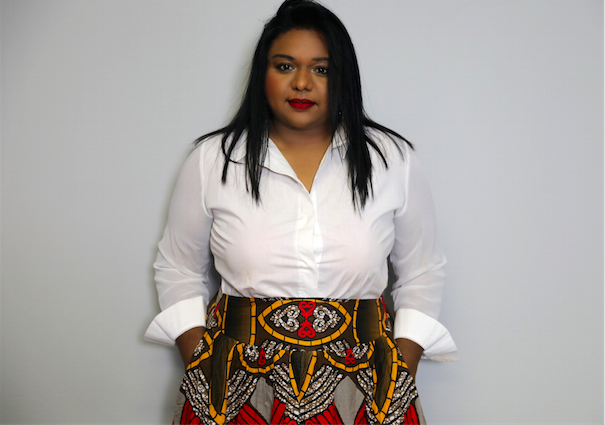
Cheryl Reddy, Managing Partner and Africa Lead at Eclipse Communications.

Cheryl Reddy, Managing Partner and Africa Lead at Eclipse Communications, cites Statistics South Africa’s 2020 mid-year estimates, which show that South Africa’s more than 59.2 million citizens comprise of people from vast ethnic and cultural backgrounds, differentiated further by age, sexual orientation, education, religion, gender and geography. Brands should tap into cultural intelligence in order to connect with these diverse groups. 

South African brands have experienced several marketing blunders over the years, with the recent haircare brand catastrophe gaining considerable international attention on the back of consumer uproar and political party protests. 

This diverse population and a rapidly evolving digital media landscape where everything is laid bare for scrutiny, makes it important for brands to tread carefully. By using cultural intelligence, brands should connect with diverse, as well as marginalised and underrepresented groups, on a personal level. 

Authentically leading with purpose

Inclusivity and diversity in marketing are not trends but rather are important considerations that form a natural part of the process to ensure cultural awareness. They are also not one and the same. Diversity is about the makeup of a population or workforce, while inclusion is a measure of culture that enables diversity to thrive. Inclusion requires everyone’s contributions to be valued and for people to be accepted, irrespective of creed.

Insights presented in Deloitte’s 2020 Global Marketing Trends: Bringing Authenticity To Our Digital Age, suggests that 53% of South African millennials changed their relationships with a brand because of the impact of its products or services on the environment or society. This outlook also drives the future workforce, with younger generations wanting to work at companies with an authentic purpose. More than 70% of millennials expect their employers to focus on societal or mission-driven problems. 

Steps to ensure inclusivity

Know your audience

Diversity and inclusion won’t apply to every brand. Look at available data to understand representation that can be documented such as gender, race, etc. Then, go one step further by involving team members and focus groups to better understand demographics and characteristics to ensure the brand speaks to the right people. 

Test your diversity messaging with consumers

Before spending millions of rands on a campaign, brands should test the waters to ensure their messaging resonates with the consumers they target. This can be done through focus groups or market research. 

Work with diverse agencies

A diverse creative team will most often put forward ideas that understand varied consumer audiences and how they are expected to react. Work with an agency that is diverse in its people as well as diverse in its thinking. 

Give back to community organisations

Brands should drive home their values by supporting organisations that enrich and support the communities that their customers live in or care about. 

Create an inclusive environment

While team diversity is key, so are the environments they operate in. People should feel respected and have the freedom to share ideas and know that their input will be considered. 

Brands that got it right

Netflix

Believing that content can be from anywhere and loved everywhere, Netflix’s ‘Made in Africa, Watched by the World’ narrative offers both diversity and variety, with the company investing heavily in taking African content to a global audience. Netflix scours the globe to find great stories and storytellers, enabling them with the tools they need to tell the best version of their stories for audiences around the world to enjoy. 

Dove

Research by personal care brand Dove in late 2019 reveals that 71% of South African women do not feel represented by everyday images used in media and adverts, with 75% calling for brands to take responsibility for the stock imagery they use. Partnering with Getty Images and Girlgaze, Dove’s Project #ShowUs aims to create the largest stock photo library created by women and non-binary individuals to shatter beauty stereotypes.

What brands can do differently

Planning

All brands should have a proper issues framework and scenario plans in place. This will allow them to respond quickly should they be accused of any wrongdoing. Additionally, it provides the brand the opportunity to prepare their teams to convey the correct message post-mistake and take decisive steps moving forward. 

Take ownership 

Brands that find themselves in predicaments such as the one experienced by Clicks should own their mistakes, authentically apologise and take decisive actions to improve the wrongdoing, instead of passing the blame. Being accountable as a brand is vital as opposed to trying to blame junior staff. Show heart and transparency –  two key elements of rebuilding brand trust.

The long road to recovery

Consumers are citizen journalists and now anyone with a phone and a social media platform can comment on anything and everything. There is no easy road to recovery for brands who make damaging statements or create tone deaf campaigns as they will erode years of brand building. It will take so much longer to forgive and forget the bad.

ECLIPSE COMMUNICATIONS 
www.eclipsecomms.com

Stay True To Your Brand Principles As You Evolve

Stay True To Your Brand Principles As You Evolve
Giulia Iorio-Ndlovu, Chief Marketing officer of Simba.

Giulia Iorio-Ndlovu, Chief Marketing Officer of Simba, states that today’s brand managers must walk a tightrope between creativity and technology, innovation and empathy. 

The role that brands play in society has changed dramatically over the decades. More recently, as digital migration, the rise of social media and the Covid-19 pandemic have affected our lives, we have also come to expect a more authentic connection with brands.

Be humble

As your brand evolves, do not look for excuses as to why it is not performing. Be honest with yourself about where you are at any given time, and work from there. The perception of your brand may not be what it once was, and your relevance can be affected. This can result in a loss of market share. This can be painful to accept, but once you face reality, it can be liberating. Confront the issues and their key drivers, and find the courage to challenge the status quo, to make changes and to start invigorating your brand with a fresh perspective. 

Be genuine

The most effective brands reach people because their messaging resonates. Simon Sinek notes that, ‘it starts with why’. The author and motivational speaker points out that the more successful individuals, leaders, companies and brands are able to inspire by building trust and authenticity. On a foundation of trust, it is possible to make the connection to the brand’s product or practical purpose. 

It is important to share with people why you believe in what you believe, and to make that the main part of your communications – instead of what a brand/product does. Being ‘genuine’ means sharing what you believe your brand’s higher purpose is, and standing by it in everything you do. 

This is also one of the key trends we believe will shape the future of the foods-and-beverages industry over the next 10 years: trust and authenticity. At PepsiCo, we have renamed it ‘Mzansi Local Pride’. The idea is to be locally authentic, but it also speaks to heightened consumer concerns around the origins of products and ingredients, which fuels the demand for transparency and local sourcing.

Nando’s, as an example, with its mischievous, topical way of communicating to consumers, has long been able to make insightful points about South African society. It can do so because its messaging feels genuine, without trying too hard. The grilled-chicken brand rolls out its topical campaigns quickly and timeously, in a tone that is simultaneously light-hearted but principled, and which manages to navigate South Africa’s political landscape without offending anybody too badly. 

Step into your consumers’ reality

Brands that continue to rely on old-fashioned, transactional relationships with people are out of touch with today’s world. As custodians of the Simba brand, we recently embarked on repositioning and refresh of our brand. For this, we wanted to celebrate inclusivity and update the brand for the younger market. Brand development requires an open mind, and active listening to consumers. For us, this took the form of structured research, but also informal chats with loyal lovers of our product.

Balance art and science

Finding the balance between which key brand elements to keep, which to discard and which to refresh, is challenging. But one can be guided by the consumers who support your brand. By making these basic human connections part of your strategy, it stays authentic. 

As in all things marketing, helping your brand evolve requires a balance of science and art. Brand management can be based on strong insights and data trends, but then there is the act of joining the dots and expressing your brand creatively. This is what fires people’s imagination. You might buy a product because you can touch it, but you choose a brand because you feel it.

Build positivity

Dove, with its Real Beauty campaign, was able to literally improve the self-esteem of young women globally. The activations in this campaign successfully shifted perceptions of beauty and launched conversations about unreasonable portrayals of women and beauty in the media. By reinforcing that beauty is universal and holistic and is not restricted to a single ideal, the campaign had a broader social purpose – making beauty a source of confidence, not anxiety – which garnered much well-deserved media coverage.

So deeply did the campaign resonate with women, pioneering purposeful brand positioning, that it ran for more than a decade. The campaign is still going today, having rolled out billboard activations, a series of short films and a multimedia Campaign For Real Beauty. When you do this well, it can have long-lasting impact. 

It is easy to think of purpose as just the latest brand buzzword. But we believe it is much more than that. It is a mindset change. In this age of multiple devices, brands need to earn the right to enter people’s lives. They must contribute to the society and the communities they serve, beyond mere profits and financial targets.

Consistent, authentic brand behaviour can distinguish your brand more than any expensive, stand-alone campaign. During the work to energise the Simba brand, and this period of deep self-reflection, we came to understand that purpose needn’t be serious, nor boring. Purpose can be fun, as long as it is authentic.

SIMBA
simba.co.za

FCB Joburg Depicting The Luxury Of Freedom With Toyota Fortuner Campaign

FCB Joburg Depicting The Luxury Of Freedom With Toyota Fortuner Campaign

In recent years, the Fortuner’s positioning has been expressed creatively as ‘the luxury of freedom’. Toyota tasked the FCB Joburg team to develop a 360 degree campaign that rearticulated this product positioning in an unfamiliar pandemic-hit world.

For the launch of the new models, the FCB Joburg team of Executive Creative Director Tian Van Den Heever, Creative Director Julie Thorogood, Art Director Nivedhna Manidutt and Copywriter Stefan Schutte showed South Africans exactly what the phrase ‘the luxury of freedom’ means.

The result is a beautifully shot collection of pieces that remind South Africans why road trips in their country are so magnificent while using humour to explore the way in which our relationships, especially at work, changed during lockdown. 

‘Knowing that we have never overtly articulated what ‘the luxury of freedom’ means to our consumers, we tapped into the fact that South Africa’s lockdown gave us all an unprecedented opportunity to be really human,’ added Van den Heever.

‘We created an emotionally charged campaign to remind everyone why this is South Africa’s favourite SUV, and why it truly offers ‘the luxury of freedom’ to tell the story of a Fortuner driver, Dave, who is making the best of the new normal,’ he explained.

The campaign kicked off on November 9 and comprises all the above-the-line elements, digital and social, Out-of-Home and collateral within dealerships. It was shot in the Karoo by Egg Films’ Adrian De Sa Garces and explores in a ‘serialised’ manner, the relationship between Dave, his boss and his colleagues as his Fortuner allows him to work from anywhere, to literally enjoy ‘the luxury of freedom’. 

FCB  
www.fcb.co.za

BrandTruth//DGTL Agency Offers Deeper Layer Of Digital Services With Valiant Rebrand

BrandTruth//DGTL Agency Offers Deeper Layer Of Digital Services With Valiant Rebrand
Zubeida Goolam, Wayne Flemming and Sibongile Mbuzwana, Valiant.

As a 51% black female-owned digital-first agency, the partners have reshaped BrandTruth//DGTL as Valiant, and the newly named company has an even deeper layer of services to help clients across Africa grow and to deliver business results that matter.

Valiant’s extended set of digital services include: Valiant Connect, Valiant Performance and Valiant Production. The agency was formed five years ago by three long-time friends with very different backgrounds, but with a shared single vision: to help brands digitally stand out from the crowd. Zubeida Goolam, who is umZulu with a Muslim upbringing from the Midlands; Sibongile Mbuzwana, umXhosa from the Cape and Wayne Flemming is Afrikaans from the Free State.

Goolam, who is Valiant’s Chief Creative Officer, commented, ‘Valiant Connect is our data-driven service that merges various data sources in order to formulate unique consumer insights to strengthen the thinking behind our work.’

BrandTruth//DGTL Offers Deeper Layer Of Services With Valiant Rebrand
Valiant agency

‘We’re always learning, growing and evolving – it’s about forward momentum and harnessing the opportunities in the marketplace. The need for reinvention highlights our desire as an agency to consistently push our offering to meet our client’s changing needs, and making sure we achieve consistency in our delivery,’ added Mbuzwana, Valiant Chief Operations Officer.

‘We love to collaborate, including working with other agencies, partnering with specialists, and co-creating new products with our clients. We actively partner with the likes of Google, Facebook, Twitter, Instagram, YouTube, Snapchat, Spotify, Tik Tok and Verizon – driving innovation, workshopping co-creative executions and exploring Beta product opportunities on behalf of our clients. We’re a challenger. We show up, not to compete with others, but to deliver results,’ added Flemming, Valiant CEO.

VALIANT
+27 10 001 2531
hello@valiantagency.com
www.valiantagency.com
This is Modern Marketing