
Home Blog Page 89

Radio Still Has The Ear Of South Africa’s Mid To Top Income Earners

Radio Still Has The Ear Of South Africas Mid To Top Income Earners

Low-tech and data-free, radio has managed to firmly hold its ground, while the rest of its traditional media siblings have slipped into the digital abyss.

Free and far-reaching, democratic and community-building, informative, entertaining and companionable, radio is just about the only legacy medium still thriving in South Africa. The country’s radio landscape is abundant with over 320 public, commercial and community radio stations ensuring universality and delivering a collective listenership that is estimated at 80% of the population.

BrandMapp’s Director of Storytelling, Brandon de Kock said, ‘The story of radio’s continued success is interesting because it’s clearly a surviving dinosaur! Yes, plenty of South Africans still watch TV, but the nature of how that programming is delivered has changed radically and traditional TV has been hammered by streaming services like Netflix, Showmax and Amazon Prime Video in certain population segments. And newspapers and magazines have been decimated as we have turned to digital content to satisfy our needs for news, views, gossip and advice. Radio, on the other hand, has been extremely resilient. One of the primary reasons given is that it’s free, so there’s no economic barrier of any kind, which is obviously true. So, when you look at the BrandMapp audience, which is the top 30% of the country’s income-earners, you might expect that radio listenership would then not be that high amongst this group. But you’d be wrong!’

The latest BrandMapp survey which, every year, canvases over 33,000 adults living in households with a R10,000 or more monthly income disproves the idea that radio is only popular in the lower income segments. Year on year, radio remains a significant force in the lives of South Africa’s tax paying households. Only 7% of BrandMapp respondents never turn on a radio and a massive 58% say that they listen to radio every single day. 73% are tuning in once or twice a week, or more – which is very close to the official establishment data estimate of 75% for the total population.

De Kock said, ‘The story of radio’s impact on taxpayer adults in South Africa becomes more interesting when we look at a trended view of the BrandMapp data over the past few years. In the pre-Covid era, 47% of South African taxpayers said they were listening to the radio a few times a day. The following year, radio listenership crashed by more than 10 percent, but importantly, it has since settled into a steady ‘new-normal’. What would have caused this crash? There are numerous possible answers to that, all of which are worth considering because they might just shed light on how radio listenership, while still strong, is still in a state of evolution, or perhaps revolution.’

In a world where so many young people rely on social media for their news and information, the latest BrandMapp data confirms that age makes a difference when it comes to radio listenership. De Kock said, ‘There’s a theory that younger adults, our digital natives, tend to listen to less radio and BrandMapp results back this up. Younger people in mid to top income households are more likely to ‘hardly ever’ or ‘never’ listen to radio, while the people most likely to listen to radio are our older working population and the parent generation.’

But perhaps the most striking shift in radio consumption has to do with when and where people are listening to radio. Traditionally, morning and evening drive times were the ‘golden hours’ for commercial radio stations both in terms of on-air talent and premium advertising slots. But that has shifted dramatically in a post-lockdown world. While 61% of the respondents are listening during their morning commute, afternoon drive time listenership has dropped to just 25%. De Kock said, ‘This is even lower than listening to the radio at home in the morning before the morning drive. Where did this change come from?’

The crash in afternoon drive time listenership can be tracked back to COVID times. In 2019, BrandMapp recorded 57% of people listening to the radio during the end of day commute, closely in line with the 56% listening during the morning drive. Two years later, only 26% of the respondents were still tuning in to radio in the afternoon, a staggering 31% drop off.

De Kock said, ‘COVID cut the afternoon drive time listenership off at the knees. Obviously changed commuting patterns have a lot to do with it. BrandMapp also measures 60% of taxpayers engaging in hybrid work of some sort, so that traditional concentrated evening rush hour traffic phenomenon just isn’t what it used to be. It’s the same reason why we measure ‘driving around during the day’ as such a big listener occasion for these people: they are now more likely to be commuting at arbitrary times. But at the same time that this was happening, there has been a radical adoption of streaming services, not just TV but music and podcasts, and there’s been a lot more downloading of content as well. I think what we are seeing here is a multiplier effect.’

‘In the morning, the radio is a very powerful here-and-now mechanism for finding out what’s going on in the world. If you put the radio on in the morning while you are having breakfast and driving to work and school, you will know your local 24-hour weather outlook and what the important news of the day is around the world. Morning radio is a great way to be informed about the upcoming day.’

But radio is not just about news, it is also about entertainment, and nowadays when we feel like being entertained at the end of the working day, we have other ways to achieve that. On the drive home, we can switch to Bluetooth and listen to our own playlists on Spotify, the music we own or a favourite podcast on our devices.’

Although the listening occasions may have changed somewhat, it is clear that radio still has the ear of South Africa’s mid to top income earners and in fact, the strength of the medium in the morning has arguably never been higher. De Kock concluded, ‘In the post-COVID world, South African radio’s signal is still strong. A lot of people currently listen to a lot of radio, but the way we engage with radio has changed, perhaps forever.

In response to these shifts, we also see South African radio stations looking to keep up with changes. For instance, radio station podcasts are starting to become more significant and there are stations launching parallel, 100% music playlist app-based specialist ‘stations’ to make sure they totally satisfy niche audiences. That’s clever thinking. The radio stations that I see succeeding over the long term are the ones who don’t try to fight against evolving listenership, because you can’t. You must embrace it, and that means doing clever things and understanding more about what different people want to listen to, in different ways at different times of the day.’

WHYFIVE
https://whyfive.co.za

Eurovision 2024 Blunders: A Cautionary Tale For PR Practitioners When Managing A Brand’s Image

Eurovision 2024 Blunders A Cautionary Tale For PR Practitioners When Managing A Brand Image
Photo: Israel Palacio on Unsplash.

Chantal Riley, MD of Midnight Fox, looks at the lessons to be learnt from Eurovision 2024 and PR blunders to avoid when managing a brand’s image.

As a Eurovision fan, I am used to the disappointment associated post-event when you realise you have another year to wait, or potentially your favourite didn’t win this year. However, watching this year’s contest, I was less dazzled by performances and more aghast at the behind-the-scenes spectacle that is still playing out.

For those of you who have no idea what I am talking about, Eurovision is not just a Netflix movie but a yearly song contest spectacular, where countries from Europe (including Australia, don’t ask) compete by showcasing their original songs and performances. It’s a colourful and vibrant extravaganza that brings together diverse cultures, musical styles and languages on one stage (or at least that’s what is supposed to do).

Viewers from around the world tune in to watch the performances, vote for their favourite acts, and celebrate the joy of music and unity. With its iconic stage productions, fierce competition, and passionate fanbase, Eurovision has become one of the most anticipated and widely watched events in the world of entertainment.

And then 2024 happened…from communication missteps to organisational blunders, several incidents from the event serve as cautionary tales for PR practitioners. By examining these mistakes, we can uncover important lessons that can help brands avoid similar pitfalls and safeguard their reputation in the face of adversity.

Neglecting Crisis Preparedness

One of the most glaring PR blunders at Eurovision 2024 was the apparent lack of crisis preparedness demonstrated by the European Broadcasting Union (EBU) – they own and operate Eurovision. From refraining to properly comment on the first disqualification in its 68-year history, to ignoring calls to stick to previous years’ principles and ban a certain country from participating, to failing to address contestant complaints both pre and post-show, the EBU saying nothing did more damage than not. This clear lack of preparedness not only exacerbated the problems but also undermined confidence in the EBU’s ability to manage crises. I question whether or not the EBU had any PR or communications plans or teams in place, and if they did, I would fire them for incompetency.

Lesson: PR practitioners should prioritise crisis preparedness, ensuring that they have robust plans and protocols in place to address unforeseen circumstances promptly and effectively.

Blaming Others

Another common PR mistake witnessed at Eurovision 2024 was the tendency to deflect blame onto others when things went wrong, or simply not taking any accountability at all. Instead of taking complaints from contestants seriously, organisers were quick to hold what they refer to as ‘crisis meetings’ but these lacked any response to and correction on the complaints, often citing the matter was out of their hands. Uh, you’re in charge of the entire event – how is anything out of your hands? This approach not only eroded trust and credibility but also detracted from efforts to resolve the issues at hand.

Lesson: PR professionals should remember that accountability is key in crisis communication, and taking ownership of mistakes is essential for rebuilding trust and maintaining reputation.

Inconsistent Messaging

Eurovision’s slogan is ‘United by Music’. The reality turned out very different. Contradictory statements, mixed signals and disjointed communication efforts all contributed to confusion and undermined the overall effectiveness of any communication efforts. No one was united, in anything, at all…except maybe confusion.

Lesson: Consistency is paramount in PR, and organisations must ensure that their messaging is coherent and aligned across all channels and platforms. Failure to do so can lead to mistrust, scepticism, and reputational damage.

Ignoring Feedback And Silencing Critics

Despite the fervent passion of Eurovision fans, EBU was quick to dismiss feedback and criticism from viewers and stakeholders in the run up to this year’s finals. This resulted in calls to boycott, mass protests outside the venue in Sweden, certain media having their passes revoked, and even the censorship of participants as the EBU seemed too afraid about what contestants would say ‘out of turn’. This was evident in the cancelling of press conferences on Friday after the start of the Dutch incident investigation, and even cutting off of mics after final performances. Angelina Mango (Italy) was allegedly fined by the EBU for giving a statement to press about a situation that had occurred in the Eurovision Arena.

Lesson: Ignoring constructive feedback and choosing to silence critics only serves to alienate audiences and perpetuate negative perceptions. PR professionals should recognise the value of listening to their audience and engaging in meaningful dialogue, even when faced with criticism. Embracing feedback as an opportunity for improvement can help organisations build stronger connections with their stakeholders and enhance their brand reputation over time.

Failing To Adapt And Read The Room

Perhaps the most glaring PR lesson from Eurovision 2024 was the consequences of failing to adapt to changing circumstances. Case in point was the ode to Eurovision’s executive supervisor, Martin Österdahl, number, which given the climate at the time could’ve easily been cut from the show’s running order but was instead met with the boos it deserved (and yes, you could hear them over the anti-booing technology). Read the room! By the time the finals aired, the EBU was in deep trouble and instead of adapting, they railroaded ahead as if nothing was wrong.

Lesson: In today’s fast-paced and dynamic media landscape, adaptability is crucial for success in PR. Organisations must be willing to embrace change, experiment with new approaches, and pivot their strategies as needed to stay relevant and resilient in the face of uncertainty.

The story of Eurovision 2024 is one of a divided Europe. For a contest that claims to be apolitical, the EBU’s behaviour this weekend would suggest otherwise. For many fans, the contest’s long-held insistence on so-called political neutrality and fairness to all – ironically casting itself in the figurative role of Switzerland – is no longer convincing, or even possible.

Sadly, the EBU has yet to own any of its issues and mistakes by this point, and so further crises seem likely. Many contestants have gone public with their experiences (one calling it traumatic, and they wish they never went through at the semi-finals) and several country broadcasters threatening legal action for the way in which their country contestants were treated.

But the positive takeaway is that PR and communication professionals can learn a lot of what not to do thanks to Eurovision 2024. By examining the mistakes made during the event, PR practitioners can gain valuable insights and ensure they do better. By heeding this cautionary tale and prioritising best practices in communication and reputation management, brands can avoid similar missteps and position themselves for success in an ever-evolving media landscape.

MIDNIGHT FOX
chantal@midnightfox.co.za

Why You Should Integrate SEO Strategies With Search Generative Experience Principles

Why You Should Integrate SEO Strategies With Search Generative Experience Principles

Mbudzeni Neluvhalani, SEO Specialist at Nerdware, says in an age where information is abundant and attention spans are passing swiftly, the search for efficient and intuitive digital search experiences has become very important.

Search Engine Optimisation (SEO) is widely known as the practice of optimising websites and their content to rank higher in search engine results pages (SERPs) for relevant keywords and phrases. The primary goal of SEO is to increase organic (non-paid) traffic by boosting its visibility in search engines like Google, Bing, and Yahoo.

Traditional search engines have served us well, but as the volume and complexity of data continue to grow exponentially, a new paradigm is emerging – the Search-Generative Experience (SGE). SGE is a concept that goes beyond traditional SEO by focusing not only on optimising for search engine algorithms but also on enhancing the overall user experience. This entails creating valuable, engaging, and user-friendly content that not only attracts search engine traffic but also fosters user engagement and satisfaction.

Think of SGE as having a super-smart assistant who knows you better than you know yourself. It takes into consideration your past searches, your preferences, even your current location to deliver results tailored just for you. It’s like magic, but powered by algorithms.

Picture this: you’re on the hunt for specific information. You type in your query and hit enter. And boom – instead of just getting a bunch of random links thrown at you, SGE kicks in, providing you with super helpful information.

SGE delivers dynamic, interactive content that’s not just informative but also hands-on. Need a dinner recipe? SGE not only finds one for you, but also enables you to customise it to match your dietary preferences and pantry inventory. It’s like having a virtual sous chef right at your fingertips, ready to cater to your culinary whims!

SGE is powered by some seriously cool tech such as AI and machine learning. Google’s SGE aims to promptly offer users the information they seek without necessarily leading them to external sites or content. This shift is poised to have a significant impact on your business.

SGE’s quick-answer emphasis may reshape how users interact with websites. As users find what they need more efficiently , websites must adapt to remain relevant. This underscores the importance for businesses aligning their SEO strategies with SGE principles to enhance organic discoverability and user productivity. visible amidst evolving search functions.

Integrating SEO strategies with SGE principles will ensure increased organic discoverability and user productivity. Understanding SGE’s influence is key for maximising website effectiveness in our ever-evolving digital world. Exciting times ahead in the world of search!

NERDWARE
https://nerdw.com

Offlimit Communications Celebrates 20th Anniversary

Offlimit Communications Celebrates 20th Anniversary

As Offlimit Communications (OLC) commemorates this significant anniversary, it reaffirms its dedication to exploring new horizons in through-the-line (TTL) marketing by offering innovative solutions and exceptional service.

Reflecting on the agency’s journey, Jerome Cohen, Founder of Offlimit Communications, stated, ‘Our 20-year milestone underscores our unwavering commitment to excellence, creativity, and a relentless ‘can do’ culture. The resilience and dedication of our team have been instrumental in navigating the complexities of our industry and achieving remarkable success.’

Central to OLC’s ethos are the principles of ‘hustle’ and ‘value,’ signifying the importance of perseverance, relentless pursuit of excellence, and the delivery of significant value to clients. By continuously adapting to the evolving marketing landscape and embracing innovation, OLC has consistently exceeded client expectations.

In the past five years, OLC has achieved a notable BBBEE rating, demonstrating its commitment to diversity, equality, and empowerment within the South African business landscape. This accomplishment is a testament to the agency’s dedication to fostering an inclusive and progressive workplace.

The agency’s client base has expanded significantly across the FMCG industry, reinforcing OLC’s position as a leader in delivering targeted and impactful marketing solutions. Furthermore, OLC continues to be one of Coca-Cola’s preferred agencies, a relationship built on mutual trust, innovation, and outstanding campaign success.

Cohen, along with partners Lisa Alton, Shereen Zuma, and Garon Bloom, believe they are just getting started. ‘As we celebrate this milestone, our focus on innovation, value addition, and strengthening client relationships is stronger than ever. We are eager for the opportunities that lie ahead and remain committed to continuing our legacy of excellence in TTL marketing,’ Cohen added.

OLC’s journey over the past two decades showcases its ability to overcome industry challenges, its steadfast commitment to clients, and its drive for success in the TTL marketing realm. The agency is excited about the future, ready to embark on many more years of growth, innovation, and contributing to the success of businesses in Africa and beyond.

OFFLIMIT COMMUNICATIONS
https://www.offlimit.co.za/

Mediamark Digital Announces Partnership With In-Game Audio Advertising Offering

Mediamark Digital Announces Partnership With In-Game Audio Advertising Offering
Mark Botha, Mediamark.

Mediamark Digital has partnered with gaming industry leader, Odeeo, on an innovative new offering, introducing South African brands to an innovative way of connecting with audiences through audio.

In-game audio advertising feeds seamlessly into the gaming experience, playing advertisements to gamers who have their sound enabled, complimented by a display advert which appears on the screen. These non-disruptive advertisements are generally more readily accepted by gamers.

Head of Digital at Mediamark, Mark Botha, explained, ‘Gamers are frustrated with the current array of in-game advertising formats that are disruptive to the gaming experience as they force players to wait. In-game audio sidesteps this issue, and being audio, directly aligns with Mediamark’s passion for delivering world class solutions to client’s audio marketing needs.’

Odeeo reaches millions of mobile gamers globally. Casual gamers are a loyal audience who on average dedicate over 60 minutes a day to playing their favourite games, and typically have around eight games installed on their devices.

Botha added, ‘With gaming enthusiasts being receptive to brand messages, the appeal spans across various demographics and any brand with an audio strategy should be considering in-gaming audio.’

Odeeo CEO, Amit Monheit, said, ‘We’re thrilled to partner with Mediamark, South Africa’s leader in audio and digital. Hundreds of globally recognised brands have seen success with Odeeo’s in-game audio advertising solutions, and Mediamark is the ideal partner to help marketers in South Africa achieve their brand objectives by leveraging the full power of audio – including in-game.’

Mediamark’s CEO, Wayne Bischoff, said, ‘The Odeeo partnership further establishes Mediamark as the leading provider of audio advertising solutions, making it a one stop shop for all digital and audio solutions. We’re excited to now offer clients non-intrusive in-game formats, within a brand-safe environment, that yields impactful results.’

MEDIAMARK
https://www.mediamark.co.za/digital/


Levergy Announced As A Finalist At The WARC Awards

Levergy Announced As A Finalist At The WARC Awards

Levergy and Telkom are leading South Africa at the WARC Awards. Levergy has been announced as a finalist at the WARC Awards for Effectiveness in association with the Cannes Lions.

The agency is the only South African representative on the shortlist and was recognised alongside client Telkom in the ‘Partnerships and Sponsorships’ category for their 2023 Netball World Cup campaign, Stand Tall.

Rob Garden, Managing Partner at Levergy, commented: ‘At Levergy ,we strive to create genuine brand connections by tapping into people’s passions, creating meaningful impact for our clients as a result. To be recognised as the only South African agency on a major global stage for marketing and strategic effectiveness is a wonderful testament to this.’

Stand Tall was created to use the sport of netball to inspire young South Africans to ‘live their monate’. It became the lead execution for the 2023 Netball World Cup in Cape Town and Telkom’s main brand campaign for the period, receiving record returns for a women’s sports sponsorship.

The WARC Awards honour the best marketing campaigns from across the globe that deliver strategic brilliance and effective impact to drive commercial success.

John Bizzell, awards lead, WARC, said, ‘Winning a WARC award isn’t easy, so all shortlisted entrants should be hugely proud of their work getting to this stage.’

The winners of the bronze, silver, and gold awards across all five regions will be revealed on 22 May. All Gold winners will automatically progress to compete at a Global level where a super-jury made up of all the regional jury chairs will award the coveted WARC Grands Prix, the ultimate recognition for marketing success.

‘I am really proud of our team of passion experts at Levergy and immensely thankful to our partners at Telkom for collectively bringing this inspiring piece of work to life,’ added Garden.

LEVERGY
www.levergy.co.za

How Politicians And Marketers Can Learn Valuable Persuasion Techniques From Each Other

How Politicians And Marketers Can Learn Valuable Persuasion Techniques From Each Other
Dr Elaine van Wyk, IMM Graduate School.

Dr Elaine van Wyk, IMM Graduate School, says all over the world, and especially in the US and UK as they face elections, the electorate struggle to differentiate Democrats from Republicans, and Conservatives from Labour, as all parties today effectively have the same policies. With the plethora of political parties in South Africa, few voters know what any stand for.

Like marketing seeks to differentiate themselves from other brands, political parties can learn much from marketers about how to differentiate themselves. Finance minister Enoch Godongwana’s Budget speech showed that the upcoming national and provincial elections will not come cheap, as billions of rand have been set aside for the May 29 polls.

Both domains revolve around the art of persuasion and meaningful engagement with people to achieve specific goals. Politicians excel at persuading voters to support a cause. Marketers can learn from their techniques, tailoring messages to resonate with their target audience and drive action. By understanding the target audience and tailoring one’s messaging to address their needs and aspirations, marketers can create a powerful connection that drives action.

Successful politicians are skilled storytellers, understanding that their narrative leaves a lasting impact. Marketers can harness this power by weaving compelling stories around their brand, telling a story that creates emotional connections with consumers.

Just as politicians cultivate their public image, marketers should focus on personal branding. Trust, authenticity, and relatability matter — whether you’re running for office or promoting a product. If they are to win over voters, politicos need to be seen as approachable, trusted, and reliable – a person able to advocate the constituency’s concerns in a larger forum like national or local assemblies. Marketers can apply this same principle, establishing a clear and consistent identity for their brand that resonates with their target audience.

Since elections are fought ’on the ground’ politicians and their parties spend much of their time rubbing flesh with voters and addressing rallies. Marketers can take a leaf from their book by spending as much as time as possible with customers understanding their pain-points with a brand. There is no substitute for customer immersion and time in the field fostering community involvement, and building authentic relationships that drive brand loyalty, although in the case of marketers, it has to extend beyond just election time.

Politicians often cleverly use influencers – both the social media ones and the traditional ones like local community leaders. Such influencers have credibility and can help marketers to build support at the local level, while shifting control from established media.

On the other hand, what can politicians learn from marketers? Top of that list is the use of independent research to understand consumers/voters. Most marketers make good use of research tools like focus groups to mine consumer insights and track changing behaviours and attitudes. While many politicians believe they understand their voters’ minds, they are often blinded by their own biases and political mandates that paint a rosy picture. Third party research is more accurate.

Genuine insights typically emerge from unspoken desires, and many brands have learned that reorienting their product is often far more effective than changing the messaging. Sadly most politicians choose to ignore this, though many would be challenged to switch from a socialist to capitalist stance.

Important to politicians and marketers alike is consistency in communication and messaging. Political messaging is often diffused and inconsistent as they run ‘blind’. This is especially the case with ‘populist’ politicians who simply parrot what their followers want to hear. Brands specialise in tight messaging and clearly articulated guidelines with clear and inviolable campaign collateral. This approach to messaging should become part of a politician’s dossier.

Marketers frequently conduct A/B testing and experimentation to test variations and so refine their strategies and tactics. Politicians can apply similar methodologies to test different campaign messaging and policy proposals to determine what resonates best with voters.

Politicians can learn from marketers the importance of objectively measuring success – not just in terms of votes but in terms of socio-economic impact and long-term outcomes. By setting clear metrics and goals, politicians can assess the effectiveness of their policies and make informed decisions for future actions. Losses need to be analysed objectively, beyond standard introspection via committees of like-minded cadres.

IMM GRADUATE SCHOOL
https://imm.ac.za/

Nedbank IMC Conference Boasts World-Class Marketing Conference Agenda

Nedbank IMC Conference Boasts World-Class Marketing Conference Agenda

Africa’s biggest marketing conference, the Nedbank IMC Conference, will feature five international speakers on its world-class marketing conference agenda. Modern Marketing is a proud media partner of the event.

In keeping with its own theme of ‘Challenge yourself’, the conference has delivered an agenda that confirms its reputation as the continent’s most innovative marketing gathering.

With well over 2000 delegates, the conference has more CMO’s, senior marketers and agency leaders attending than any other in Africa. Taking place in-person (Johannesburg) and virtually on the 19th September, the in-person venue is expected to be sold out by August.

‘When we launched the event, we committed to a ‘no death by power point or sales pitch format’,’ said IMC CEO Dale Hefer. The one day, one stream agenda has over 25 top speakers delivering hard-hitting presentations in the short format presentation the conference has become known for. ‘This agenda is relevant to anyone in the business of communication, irrespective of designation or discipline.’

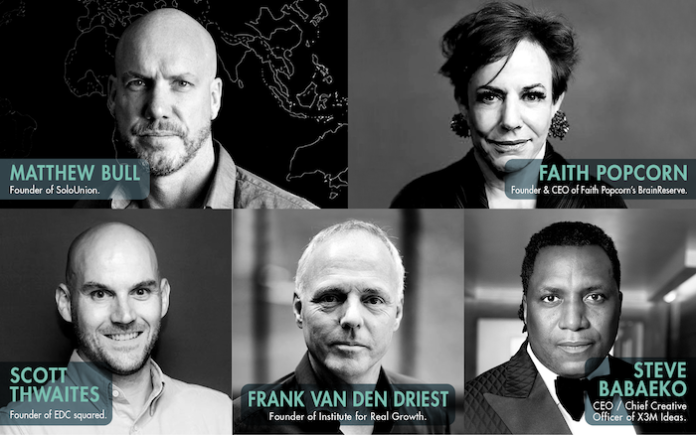
In-person international speakers include Matthew Bull (Founder, SoloUnion); Scott Thwaites (Founder, EDC squared); Steve Babaeko (CEO/Chief Creative Officer of X3M Ideas) and Frank van den Driest (Founder, Institute for Real Growth). Global icon Faith Popcorn will be presenting virtually from New York.

The international speakers are joined by 20 top local marketing leaders for one busy day of insights across key topics ranging from AI to Gen Z.

There are only 300 of the 800 in-person tickets still available, so book your in-person (or virtual) ticket and be one of more than 2000 delegates from over 15 countries attending this world-class conference.

View the full agenda here. In-person tickets are priced at R3000 (excl VAT) until 31 May 2024. Limited seats available. Virtual tickets are priced at R1499 (excl VAT).

NEDBANK IMC CONFERENCE
www.imcconference.com

South African Agency Wins Silver In Global ADC 103rd Annual Awards

South African Agency Wins Silver In Global ADC 103rd Annual Awards

Agencies, studios, and independent designers in the Middle East and Africa won seven Cubes and five Merits at the ADC 103rd Annual Awards ceremony, held at Gotham Hall in New York during The One Club for Creativity’s Creative Week 2024.

‿ and us Dubai was awarded the only ADC Gold Cube for the region, for ‘One-Star Cookbook’ on behalf of Deliveroo in Publication Design.

The complete list of Cube and Merit winners this year is as follows:

South Africa

– Silver: Promise Johannesburg, ‘Finding the Forgotten Graduate’ for PPS in Interactive, Online/Mobile Websites – Campaign Site.
– Merit: Promise Johannesburg, ‘Finding the Forgotten Graduate’ for PPS in Interactive, Digital Craft- Copywriting for Digital.

Egypt

– Bronze: Ntsal Cairo ‘Manshaa – Noise Record’ for Noise Records and Scene Noise in Brand/Communication Design, Branding – Branding Systems/Identities – Integrated.

Jordan

– Merit: Hey Porter! Amman ‘Kahaza Typeface’ in Typography, Display Typeface.

Saudi Arabia

– Bronze: BigTime Creative Shop Riyadh with Academy Films London and The Mill Paris ‘Knockout Chaos’ for Riyadh Season in Advertising, Craft in Video – Animation – Single.
– Bronze: BigTime Creative Shop Riyadh ‘Knockout Chaos’ for Riyadh Season in Advertising, Craft in Video – Direction – Single.

United Arab Emirates

– Gold: ‿ and us Dubai ‘One-Star Cookbook’ for Deliveroo in Publication Design, Books – Limited Edition/ Private Press/Special Format.
– Silver: ‿ and us Dubai with Jack The Maker Lisbon and Zanad Cairo ‘Sole Music’ for Anghami in Product Design, Inclusion.
– Bronze: ‿ and us Dubai with Jack The Maker Lisbon and Zanad Cairo ‘Sole Music’ for Anghami in Apparel / Accessory / Footwear Design, Inclusive Attire.
– Merit: ‿ and us Dubai with Magali Polverino Buenos Aires ‘One-Star Cookbook’ for Deliveroo in Advertising, Direct – Mail.
– Merit: ‿ and us Dubai with Magali Polverino Buenos Aires ‘One-Star Cookbook’ for Deliveroo in Advertising, Craft in Writing – Direct.
– Merit: ‿ and us Dubai with Jack The Maker Lisbon and Zanad Cairo ‘Sole Music’ for Anghami in Apparel/Accessory/Footwear Design, Craft – Use of Technology.

A complete showcase of all ADC 103rd Annual Awards Cube winners can be viewed here.

Globally, this year’s prestigious ADC Black Cube for Best of Show was awarded to McCann New York for ‘ADLaM’, done on behalf of Microsoft. The work also won Best of Discipline in Typography, and the coveted ADC Designism Cube for the entry that best encourages positive societal and political change.

Based on cumulative points for all awards won, FCB New York was crowned ADC 103rd Annual Awards Agency of the Year. The agency won a total of three Best of Disciplines, nine Gold Cubes, three Silver, three Bronze, and four Merits.

This year’s ADC 103rd Annual Awards of the Year winners are:

– Agency of the Year: FCB New York.
– Boutique Agency of the Year: Banana Balloon Shenzhen.
– Brand-Side Agency of the Year: Google Brand Studio San Francisco.
– Design Team of the Year: The New York Times Magazine New York.
– Boutique Design Studio of the Year (tie): OlssønBarbieri Oslo, and PILLS Beijing.
– Network of the Year: FCB Global.
– Production Company of the Year: Helo West Hollywood.
– Music and Sound Company of the Year (tie): Citizen Music New York, and DaHouse Audio Los Angeles.
– Brand of the Year: AB InBev, Michelob ULTRA.
– Non-profit Client of the Year: Digital Public Library of America.
– Freelancer of the Year (as selected by The One Club and Working Not Working): Michelle Watt Brooklyn.
– Members’ Choice Award: TBWA\Media Arts Lab Los Angeles ‘Fuzzy Feelings’ for Apple.

The ADC Fusion Cube, established in 2021 along with The One Show Fusion Pencil as the industry’s first global award to recognize great work that best incorporates underrepresented groups in both the content of the ad and the team that made it, went to FCB Chicago with 456 Studios Chicago for “Banned Book Club” on behalf of Digital Public Library of America.

FCB New York led this year in ADC Gold Cube wins with nine, all for AB InBev, Michelob ULTRA ‘Dreamcaster’. That was also the entry to win the most Golds.

A total of 11,309 pieces were entered from 62 countries and regions in the ADC 102nd Annual Awards. Agencies, studios, freelancers, brands and production companies in 38 countries were awarded a total of 92 ADC Gold Cubes, 130 Silvers, 184 Bronze and 363 Merits this year.

ADC 103rd Annual Awards winners were announced in the middle of Creative Week 2024 in New York, May 13-17.

Now in its 15th year, Creative Week is a premier annual gathering for the advertising and design industries to come together and celebrate the creative excellence showcased in four of the club’s leading global awards shows, and discuss the latest creative trends and issues.

ADC AWARDS
https://adcawards.org/

South Africa’s Liquor Sector Continues To Prosper

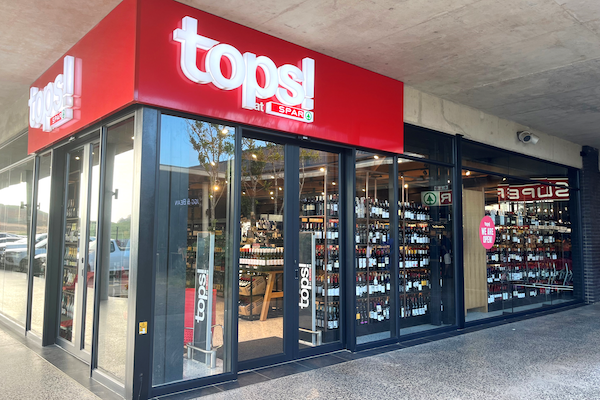
Trade Intelligence_Liquor Image_Tops

Kym Wright, Retail Analyst at Trade Intelligence, says despite significant pressure on the economy and shoppers’ ability to spend, South Africa’s liquor sector continues to prosper, showing growths that other categories watch in envy.

The Liquor Retailing in South Africa Report by Trade Intelligence is an in-depth look into this diverse and competitive area of retailing, shopper needs and wants, the informal market (that continues to succeed) and the global and local trends shaping the industry.

Snapshot Of Liquor Retail Performance

Off-trade liquor sales (off-trade refers to physical or online stores selling beverages for later consumption off the premises):

– Sales increased +10% in 2023, performing ahead of on-trade. On-trade refers to bars, restaurants, pubs, and taverns that sell beverages for immediate consumption on the premises. On-trade performance remains hampered in the post-pandemic era, with liquor sales in restaurants and catering still R8bn below pre-pandemic levels.
– Store footprint expansion by retailers continues to march on in the liquor sector. Five-year liquor store footprint growth for Shoprite Group, SPAR, Pick n Pay and Boxer, is almost twice the growth rate of food store footprint. Liquor brings margin opportunity to retailers as well as driving footfall, especially over the weekends, with liquor stores adjacent to supermarkets

Shifting Shopper Patterns

1) In Pursuit Of The Promotion

The impact of the current economic climate has led to shoppers changing their shopping habits, bargain hunting, buying into promotions and even downtrading what they drink to cheaper options. As such, the power of the promotion cannot be ignored – the shopper is savvier about how and where they shop to get the best deals and promotions.

The shopper is also becoming increasingly retailer agnostic, shopping at up to five different retailers for their groceries, and the same is seen with alcohol purchases. Price and special offers are the main drivers of liquor store selection.

2) Omnichannel Grows To Satisfy The On-Demand Shopper

What grew out of necessity four years ago as the world effectively shut down during COVID, is now something most of us cannot do without. On-demand delivery has made life easier for the shopper and the liquor traders are also reaping the rewards as they expand and grow delivery options. We are seeing an increase in shoppers adding liquor to their grocery baskets on shopping apps.

3) Sober Curiosity Is On The Rise

Generational nuances, like the slowing of alcohol consumption among Gen Zs, have helped spur the growth of alternatives to alcoholic drinks – no/low-alcoholic beverages are growing in popularity. This reduction in drinking ranges from moderation to total abstinence and is driven by health consciousness and shifts in social and cultural norms, among other reasons.

In an online survey conducted by Trade Intelligence among liquor shoppers, one of the most often mentioned reasons for changing drinking preferences was a need or desire to be healthier. This was the most often mentioned reason among 18- to 24-year-olds and was well ahead of other motivations, in line with international indications of Gen Z and the ‘sober curious’ movement.

Liquor In The Informal Sector

Trade Intelligence shopper data indicates that taverns and spaza stores are not core to liquor shopping for the informal shopper. Based on Ti’s survey, 81% of informal trade liquor shoppers also shop at liquor specialists such as TOPS, PnP Liquor, Liquor City, etc. Many also shop at supermarkets that sell liquor and at wholesaler-type stores.

Informal liquor outlets do fulfil a very specific shopper mission as a top-up destination or on-the-go, and thus there is a clear preference for weekend shopping and ready-to-drink options.

Satisfying The Shopper

The competition to satisfy shoppers’ needs in all aspects of retail continues unabated, also in the liquor retailing space. Never before have shoppers had as many options to choose from. As a result, brands and retailers must constantly work harder and smarter to gain share of wallet and maintain it.

TRADE INTELLIGENCE
https://www.tradeintelligence.co.za

This is Modern Marketing