Home Blog Page 90

Leveraging Technology For Effective Marketing

Leveraging Technology For Effective Marketing

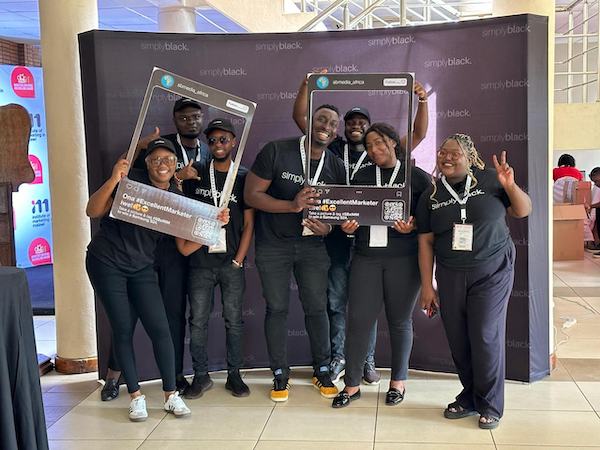
Centred on the theme ‘Innovate to Elevate: Leveraging Technology for Marketing Success,’ the two-day Institute of Marketing Management (IMM) Conference brought together marketing professionals, industry experts, and innovators to exchange insights on how technology can drive meaningful progress in Malawi’s media landscape.

The conference was held from October 31 to November 2 in Mangoshi. Simply Black Malawi, a specialist African media strategy and creative agency based in Lilongwe, served as the lead sponsor of the conference.

Simply Black’s presentation highlighted practical applications for technology in the growth of Malawi’s media sector. Key areas covered included:

Data-driven media strategy: Simply Black showcased how real-time tracking and reporting tools enable brands to monitor campaign progress, access actionable data, and make timely adjustments. These capabilities enhance efficiency and accountability, helping ensure campaigns are optimised for maximum impact. Certain platforms are especially valuable in Malawi, where reliable data plays a crucial role in achieving measurable outcomes, allowing brands to maximise reach and engagement from launch through completion.

Integration of traditional and digital media: the presentation demonstrated how blending traditional channels such as radio and outdoor advertising with digital platforms can maximise audience reach. Various campaign examples illustrated the effectiveness of this approach, showing how social media, targeted messaging, and traditional advertising work together to boost engagement and visibility, ultimately helping brands connect with audiences across multiple channels.

Solutions for market-specific challenges: in regions where limited internet access and high data costs pose challenges, tech-driven solutions like influencer campaigns and data-segmented messaging allow brands to reach audiences effectively. These strategies enable brands to broaden their reach, even in areas with infrastructure constraints, by adapting to local market conditions and audience needs.

‘Partnering with the IMM Conference gave us a unique opportunity to collaborate with leaders and innovators in the industry,’ said Sikota Bones, Regional Lead for Simply Black. ‘At the core of our mission is a commitment to empower communities and drive positive change. This conference allowed us to engage in valuable discussions on how marketing can support Malawi’s economic development and social upliftment. The conference was an opportunity to set new benchmarks in Malawi’s marketing industry. We are committed to working alongside IMM and industry leaders while leveraging technology to create innovative strategies and measurable success for the industry at large.’

SIMPLY BLACK MEDIA
www.simplyblackmedia.com

Flow Communications Celebrates Fifth AGF Award Win As Top Marketing And Communications Consultancy

Flow Communications Celebrates Fifth AGF Award Win As Top Marketing & Communications Consultancy

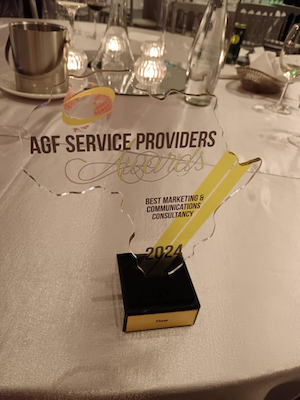
Flow Communications was honoured as the Best Marketing and Communications Consultancy by the Africa Global Funds (AGF), marking its fifth win in six years. The AGF Service Providers Awards celebrate excellence and innovation in the continent’s financial sector, recognising the outstanding contributions of industry leaders.

The AGF Service Providers Awards recognise achievements by service providers to the African fund industry. The awards reflect their efforts to drive excellence and innovation within the continent’s financial sector. The gala awards ceremony was at the Mount Nelson Hotel in Cape Town.

‘We are so honoured to be recognised once again with this prestigious award,’ said Flow Communications CEO Tara Turkington. ‘Flow Communications stands proudly shoulder-to-shoulder with top-tier companies such as Standard Bank, Alexander Forbes and Prescient, which reflects our success in delivering impactful campaigns for our clients. Congratulations to all the 2024 winners.’

Flow’s managing director, Tiffany Turkington-Palmer, added: ‘This one’s for our amazing clients and the incredible Flow team. We pour our hearts into every campaign, and it’s so rewarding to see that work appreciated like this. A big shout-out to everyone who makes what we do possible, you’re the magic behind it all.’

FLOW COMMUNICATIONS
https://www.flowsa.com/

2024 Township CX Report Shows Word Of Mouth And TV Are The Top Drivers Of Brand Discovery

2024 Township CX Report Shows Word Of Mouth And TV Are The Top Drivers Of Brand Discovery

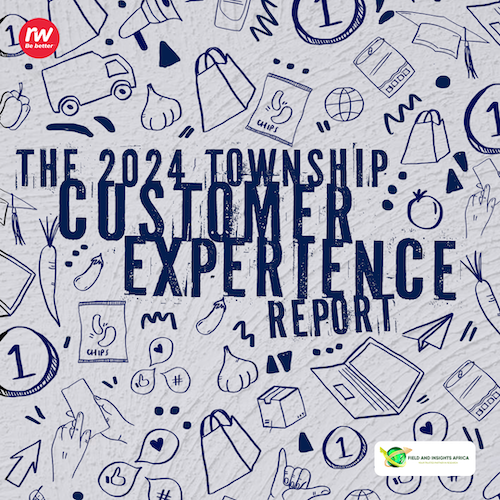
Word of mouth and TV are the top drivers of brand discovery, with 28% of respondents identifying these as primary sources, closely followed by social media at 27%. This is according to the 2024 Township Customer Experience (CX) Report, released by Rogerwilco, in partnership with Field and Insights Africa.

Now in its fourth year, the report surveyed over 1600 township residents across the country’s nine provinces, offering vital insights into consumer behaviour, brand perception, e-commerce trends, and the importance of trust in shaping brand relationships.

Mongezi Mtati, Senior Brand Strategist at Rogerwilco, noted, ‘This year’s Township CX Report underscores that trust is the currency of the township economy. Brands that invest in genuine relationships, address real community challenges, and embrace the cultural significance of township life, will stand out in this evolving market.’

The findings reveal that township consumers remain deeply connected to sources of trust and familiarity, with word of mouth and television tied as the most influential platforms for brand discovery, each cited by 28% of respondents. Social media follows closely at 27%, reflecting its growing significance as a trusted medium for engaging with township consumers. However, trust is fragile — 41% of respondents indicated that brand inactivity on social media undermines their confidence, emphasising the importance of consistent engagement in digital spaces.

Beyond trust in media, township consumers continue to demonstrate a strong affinity for local brands, driven by their ability to offer unique products and personalised experiences. Across all nine provinces, 19% of respondents cited price as a key factor in choosing township brands, while 18% highlighted the appeal of unique, locally made offerings. Township consumers tend to gravitate towards brands that resonate with their daily realities and cultural identity, underscoring the importance of authenticity and community relevance in capturing township loyalty.

The growing presence of counterfeit goods in township spaza shops has emerged as a pressing concern, impacting consumer trust and safety. While 19% of respondents believe spaza shop owners bear responsibility for product authenticity, an equal number feel this duty lies with manufacturers and brands, and 21% see it as the government’s role. To maintain trust and protect their customers, brands must establish strict quality control measures and collaborate with spaza shops to verify product authenticity.

Trust also extends beyond transactions. The report shows a growing demand for brands to actively contribute to community well-being. A notable 61% of respondents expressed scepticism about brands fulfilling their commitments to community development. Only 18% believe brands are delivering on their promises, with key areas for investment identified as healthcare services (28%) and infrastructure development (25%). Township residents are not just seeking products or services; they want partners who understand their realities and collaborate toward shared goals. ‘Engaging deeply with the community and demonstrating genuine commitment creates meaningful connections that resonate, driving long-term loyalty and trust,’ said Mtati.

South African e-commerce sales jumped 29% in 2023 to R71 billion, now accounting for 6% of the country’s R1.1 trillion retail market, according to market research firm World Wide Worx. Within the country’s townships, e-commerce adoption continues to grow steadily, with 40% of respondents shopping online in 2024, up from 30% in 2022. However, barriers persist—45% of respondents cited unreliable internet service providers, and 43% pointed to the high cost of data as obstacles to broader adoption. Addressing these challenges presents an opportunity for brands to unlock the full potential of e-commerce in these underserved markets.

The report further highlights that ‘the township is everywhere’, a reflection of how township culture transcends geographic boundaries and influences consumer behaviour across South Africa. Authentic representation of this culture in brand messaging has proven to resonate deeply, building trust and fostering stronger connections with diverse demographics.

‘Brands that genuinely grasp and embrace this dynamic will establish more profound connections with consumers across various demographics,’ concluded Mtati. ‘But the real opportunity lies in going beyond surface-level engagement. Brands that actively build trust, authentically represent township culture, and commit to meaningful collaboration can position themselves as indispensable partners in South Africa’s dynamic township economy. The rewards will be lasting loyalty, deeper connections, and sustainable growth in a market brimming with potential.’

The full 2024 Township CX Report will be available for download on 20 November at www.townshipcx.co.za.

ROGERWILCO
https://www.rogerwilco.co.za

Key Market Trend Shifts That May Have A Long-Term Influence On Brand Positioning

Key Market Trend Shifts That May Have A Long-Term Influence On Brand Positioning

For brands, it’s vital to keep an eye on what’s trending and distinguish between what’s popular at the moment and what might stick around for the long haul. What makes a trend significant is how well it captures consumers’ interests, needs, and values, which can help it evolve into a lasting influence – a Future. Fads, conversely, might grab attention and burn bright and fast for a while, but they usually lack the depth and durable influence that sustain engagement.

Brands also shouldn’t casually dismiss fads. They need to understand how trends work since some fads can evolve into lasting futures for certain audiences while others might remain mere fads. Similarly, not every trend will turn into a future reality for everyone.

Co-authored by Point’s strategy director, Carla Gontier and Nkaroleng Matjie, Mid-Weight Strategist, this edition of ‘Fads & Futures’ outlines key market trend shifts that may have a long-term influence on brand positioning. They also consider the potential of these trends becoming fads.

Trend: Brand Vs Performance

Future Potential

TikTok’s guide aimed at (re)educating marketers on marketing fundamentals emphasises the significance of brand-building alongside performance optimisation, pointing to a future reality.

While immediate performance metrics are important for brand success in the short term, today’s brand-savvy consumer increasingly expects brands to cultivate meaningful relationships with them. Various studies have confirmed that, through this lens, brand humanisation is a key element in building a brand identity.

For brands to adapt to this evolving landscape, they need to build stronger identities to establish deeper connections, while also keeping a finger on brand performance’s pulse.

Many brands currently perceive this dual emphasis as fundamental to their brand optimisation efforts in the future.

Fad Potential

While building strong brand identities and maintaining performance metrics are crucial, this dual focus may also be temporary. As the marketing landscape evolves, the notion of returning to basics could gain traction, but it might shift again toward more complex strategies.

For instance, AI’s rapid advancement and its potential to enhance hyperpersonalisation could prompt brands to make this a priority over the current balance of brand-building and performance optimisation. In this context, brand identity optimisation could emerge as the central focus, eclipsing other marketing strategies, including various strategic combinations.

Trend: Swiftonomics – The Business Of Taylor Swift

Alongside her sold-out concerts, Taylor Swift’s brand is making a significant economic impact in various countries. Her Eras Tour, which runs from March 2023 to December 2024, is attracting fans from around the world, resulting in millions spent on flights, hotels, and other travel expenses. It’s estimated that her UK edition of the tour has generated close to £1 billion for the British economy. She’s also drawing new audiences to the NFL, while her association with Travis Kelce has contributed to a rise in sponsorships.

Fad Potential

Swiftonomics is often seen as a fad because of its brief economic effects and dependence on momentary celebrity influence. While Taylor Swift has considerable sway at the moment, trends tied to celebrities are mostly temporary, making it hard to keep interest alive over time. The initial hype can also lead to fatigue, which may cause consumer engagement to subside.

Brands should be mindful of this cycle and focus on building long-term strategies that foster deeper connections with their audiences rather than relying solely on fleeting excitement.

Future Potential

Currently, there’s a vibrant relationship between entertainment and brand development. Brands may start investing more in experiential marketing to create memorable connections at entertainment events. This trend should continue to grow and is also reflective of the broader trend of brands staying up to date with the cultural context in which they function.

Trend: Optimising AI

Future Potential

Brands are well aware that AI is set to become a desired part of the creative process – giving power to the way in which brands are experienced and facilitating deeper connections.

Optimising AI is a current and future reality in which consumers can create and interact with content more efficiently. This could also lead to more individuals engaging in content creation. Ultimately, prioritising user-centric design is critical for the long-term effectiveness of AI.

Fad Potential

Some might experience this as a fad. Regular updates and innovative features (as with Figma and Canva), at first may seem like the way forward; yet, these ever-shifting dynamics can also lead to confusion and user fatigue, which in turn may show a temporary spike in engagement that can quickly fade if brands struggle to keep pace and adapt.

There’s a lot of excitement surrounding AI innovations in marketing, particularly post-Covid (an era marked by a great acceleration of AI). However, the rush of brands adopting the latest and best AI has to offer can lead to a superficial understanding and underutilisation if they do not invest in learning how to effectively integrate these technologies into their strategies.

Trend: Immersive Retail

Future Potential

Immersive retail experiences are fundamental to the future of branding, as they have the potential to generate animated and deeper emotional connections.

Consumers are increasingly seeking more memorable and meaningful brand-connect moments, which immersive experiences can potentially provide. Such experiences will also help brands stand out in the marketplace, which is the ultimate horizon for some brands.

Fad Potential

If immersive innovations become too technical (for consumer interaction), or gimmicky, or if they fail to achieve their main objective (advancing the shopping experience), then consumers will see it as a fad and quickly turn their attention elsewhere. Furthermore, the power of immersive experiences will transcend the fad of pop-up stores – which are limited in consumer engagement.

Driven by frontier technologies, the era in which we live is showing a remarkable rise in trends. While it’s not expected of brands to observe all trends, those that can effectively adapt to the most significant ones – separating definitive futures from passing fads – will be more likely to achieve sustained brand success.

Download the full Fads & Futures report here.

POINT
www.pointgroup.biz

Black Friday Has Evolved From A One-Day Event To A Nearly 10-Week Retail Wave

Black Friday Has Evolved From A One-Day Event To A Nearly 10-Week Retail Wave
Photo by Ashkan Forouzani on Unsplash.

The evolution of 24/7 Black Friday specials from a single-day shopping event to a month-long retail phenomenon reflects changing consumer behaviours and strategic adaptations by retailers and logistics companies. This transformation is particularly evident in South Africa, where the trend has gained momentum, prompting significant shifts in how businesses approach this critical sales period.

Black Friday has increasingly become a prolonged retail spike, often starting as early as October and extending through December. This shift allows retailers to engage consumers over a 10-week period rather than just focusing on one day. As consumer anticipation builds, brands are encouraged to maintain ongoing engagement through various promotional strategies, including teaser campaigns and early access deals.

The positive outlook for Black Friday 2024 indicates that the tide is turning for South African retailers after a long period of economic and retail stagnation. Among the factors that have helped to improve the economic outlook include vastly reduced load shedding, the introduction of the Two-Pot Retirement System, an interest rate cut, and lower inflation.

The average consumer’s experience has become more intricate, characterised by extensive online research and comparison shopping. Consumers now begin their Black Friday preparations months in advance, making it crucial for retailers to adapt their marketing strategies accordingly. Brands now need to engage with customers throughout this entire period to effectively influence their purchasing decisions.

South Africa’s wholesale, retail and fuel sectors are forecasted to generate more than R88 billion in additional economic value for the economy during November 2024, according to Capital Connect. The study, conducted by the Bureau of Market Research, showed that R28 billion in indirect economic impact will be generated by South African retailers from Black Friday sales this year[1]. The indirect economic impact refers to the additional sales value of retailers’ suppliers, manufacturers from which suppliers obtain their stock, producers of raw materials used by manufacturers, and courier services.

According to the Algorithm Agency, the Black Friday period can be dissected into 3 distinct phases:

– The build-up phase, which starts in early October, when consumers begin their Black Friday research, being open to suggestions and not yet committed to specific products or brands.
– The rush phase, during which consumer behaviour becomes more focused and deliberate, and where retailers highlight specific products, offer competitive pricing, and provide clear comparisons to similar products.
– The aftermath phase, where consumers shift focus towards the holiday season and retailers promote extended deals, gift guides and hassle-free return policies, all to attract shoppers.

The above trend seems to be reflected in the increased number of shipments courier companies are handling over this period. ‘We anticipate a marked increase in volumes this year thanks to the growing prominence of e-commerce in South Africa,’ commented Craig Pitchers, CEO of The Courier Guy. ‘Whilst volumes on Black Friday itself are still generally very large, we’re now starting to see a sustained spike in shipments throughout November right up until Christmas as businesses run specials for longer periods.’

Retailers that spread out promotions over the month generally see better engagement from customers and are able to track the return of investment related to these promotions. However, this approach does require careful management to maintain decent profit margins.

As the landscape continues to evolve, maintaining a balance between meeting consumer expectations and preserving profitability will be crucial for both retailers and logistics providers in South Africa’s dynamic e-commerce environment. The importance for retailers to secure a reliable courier service that can handle high volumes and offer good service could be the difference between a deal done or lost this Black Friday season.

THE COURIER GUY
https://www.thecourierguy.co.za/

Advertising Continues To Evolve And Businesses Need To Adapt

Advertising Continues To Evolve And Businesses Need To Adapt
Gillian Ezra, Ayoba.

Gillian Ezra, Head of Sales and Business Development at Ayoba, says content marketing is powerful, with 61% of marketers expecting to make better performance in 2024 due to its crucial role in SEO. Voice-activated technology, such as smart speakers and assistants, is thriving, offering unique marketing opportunities and innovative advertising strategies. While content reigns supreme, comprising over 82% of internet traffic.

Advertising has been a cornerstone of business for as long as commerce has existed. It has converted, adapted, and evolved through time, reflecting societal changes, technological advancements, and shifts in consumer behaviour. From billboards, radio to television, and now digital ads our smartphones, advertising has had to reinvent itself to maintain relevance.

As we navigate these changes, one thing remains clear: advertising is far from obsolete. Instead, it is more relevant than ever, evolving to meet the demands of a digital-first world.

The Digital Revolution And The Advent Of Online Advertising

The arrival of the internet marked a seismic shift in advertising. With access to a global audience at the click of a button, businesses saw an opportunity to reach more people in more personalised ways. Platforms like Google Ads and Facebook Ads revolutionised the way businesses approached marketing. Companies could target individuals based on their browsing history and interests. This was an unparalleled level of customisation, making advertising more efficient and cost-effective. It wasn’t just about broadcasting messages anymore; it was about starting conversations and creating user experiences that felt relevant.

The Rise Of Mobile Advertising

As mobile phones evolved into indispensable devices, they brought with them an entirely new frontier for advertising. The rise of mobile apps changed how brands connected with their audience, offering advertisers a highly personalised platform that goes beyond just capturing attention—now, the goal is engagement and immersion.

Mobile advertising is not just about shrinking traditional ads to fit on a smaller screen. It’s about creating experiences that fit seamlessly into users’ daily habits. Push notifications, in-app ads, location-based promotions, and even gamified ads have allowed brands to create targeted, real-time engagements. For instance, geo-targeting through apps enables advertisers to send users promotions based on their location, bringing a hyper-local, contextual touch to mobile advertising.

However, the rise of mobile advertising also presents its own set of challenges. Consumers are increasingly conscious of their privacy and protective of their time. In a crowded app marketplace, ads that are overly intrusive or irrelevant risk frustrating users. The challenge for marketers is to balance creativity with precision, crafting messages that are engaging without being disruptive.

Noteworthy Case Studies

Several brands have made the leap from traditional to digital and mobile advertising with great success. Coca-Cola, for example, was once a giant in billboard and TV advertising but has since embraced digital platforms to engage with consumers. The company’s personalised ‘Share a Coke’ campaign, which launched across social media and mobile apps, allowed users to share customised virtual Coke bottles with friends and family. This not only boosted engagement but also reinforced brand loyalty in a way that traditional ads could not.

Known for its creative TV commercials and billboards, Cadbury Lunch Bar has also made a strong entry into digital advertising. The brand’s latest 2024 campaign, the #TheLunchBarMan campaign, successfully highlighted the product’s unique attributes while leveraging high impact promoted posts.

The 13-week campaign achieved impressive results, including: 811,000 post views. These case studies demonstrate that advertising remains impactful across various formats, with innovative digital campaigns playing a crucial role in reaching new audiences.

Essentials For The Shift In Advertising Approach

For businesses seeking to make the transition from traditional to digital advertising, there are several essentials to consider. First, it’s critical to understand your audience’s digital habits through analytics —tracking how they use their devices, which apps they frequent, and what kind of content they engage with. A successful advertising strategy must meet the consumer where they are, not where they used to be.

Second, businesses must invest in mobile-friendly advertising strategies. This includes optimising a multi-channel-strategy – which encompasses social media, search engines, mobile apps, and traditional platforms where relevant. It’s not just about adapting to new formats, but about embracing new technologies that can enhance user experience and drive meaningful engagement.

Lastly, companies need to shift their focus from one-way communication to interactive experiences. Modern consumers expect more than just a sales pitch; they want brands to offer something valuable and personalised, whether that’s entertainment, information, relevant ads, or a sense of community.

It’s also important that companies should be proactive in managing their reputations, maintaining their transparency and trust.

Staying Ahead Of The Curve

As advertising continues to evolve, one thing remains certain: the need for businesses to adapt. Advertising is far from obsolete. In fact, it’s more relevant than ever — particularly for those companies that are willing to embrace the digital tools and strategies available today. The future of advertising lies in its ability to merge creativity with data-driven insights, creating campaigns that not only capture attention but foster long-term relationships with consumers.

For companies, the message is clear: the time to shift from traditional advertising methods is now. Those who can successfully adapt to the digital, mobile-first landscape will find themselves not just surviving, but thriving in the advertising space of the future.

AYOBA
http://www.ayoba.me

Nerdware Honoured At South African Small Business Awards

Nerdware Honoured At South African Small Business Awards
Ronald Magondo, Nerdware.

Digital marketing agency, Nerdware, is proud to announce its notable achievement as a recipient of the National Growth Award, and has also been recognised as one of the Top 20 Winners at the 2024 South African Small Business Awards.

The awards ceremony took place on 14 November 2024 at the Bryanston Country Club in Johannesburg. The South African Small Business Awards are renowned for celebrating exceptional small businesses that embody resilience, ingenuity, and dedication, qualities that Nerdware exemplifies.

‘Being recognised at the Small Business Awards is a celebration of the incredible journey we’ve undertaken as a team,’ shared Ronald Magondo, Nerdware’s Co-Founder and Director of Awe-Inspiring Feats. ‘It’s a nod to our passion for blending creativity with data-driven strategies to deliver groundbreaking campaigns. Our amazing ‘Nerds’ pour their hearts into everything we do, and this award validates their hard work and brilliance.’

The recognition comes as Nerdware executes an ambitious expansion strategy, establishing operations in key markets across Africa and Europe. This includes a newly launched office in the European Union, helmed by the seasoned Slyde Nikurawu, whose leadership has been instrumental in driving Nerdware’s South African success. Meanwhile, Hayley Hillary has been appointed to oversee the South Africa market, bringing her extensive experience in integrated marketing communications and a proven track record of building successful brands. This strategic realignment underscores Nerdware’s commitment to diversity and innovation, with a strong emphasis on promoting female leadership.

‘As we expand our footprint, these accolades inspire us to continue pushing boundaries and reshaping the digital marketing landscape,’ added Magondo. ‘We’re driven to deliver transformative solutions that create meaningful impact for clients, both locally and globally.’

NERDWARE
https://nerdw.com

The Future Of E-Commerce And Black Friday In South Africa

The Future Of E-Commerce And Black Friday In South Africa

In South Africa, Black Friday has evolved into a hybrid of in-store and online shopping, with local and international retailers competing for consumers’ attention and wallets.

Black Friday has become a highlight on the global retail calendar, driving record-breaking sales and offering consumers a chance to score major discounts. Consumer insights agency KLA has compiled findings using YouGov Profiles data and a survey on YourView to explore this further.

The Shift To E-Commerce In South Africa

South African consumers are increasingly embracing online shopping for its convenience and savings. 83% agree that online shopping makes life easier, and 54% prefer it to in-store shopping. Black Friday amplifies this shift, with 58% planning to shop with major local online retailers like Takealot, Makro, and Game.

While e-commerce is expanding, there is a balance between online and in-store shopping in South Africa, especially for essentials. Only 13% primarily shop online for groceries, while 31% use a combination of online and in-store channels. Additionally, 67% plan to do most of their Black Friday grocery shopping at retailers like Pick n Pay and Checkers, both online and in-store. Meanwhile 46% still intend to shop at malls and retail outlets this Black Friday, highlighting the importance of in-store shopping.

This trend reflects a preference for physically examining particular items before buying. 73% of South African consumers want to ‘touch and feel’ certain products first, indicating that in-store shopping remains essential in some categories. When it comes to clothes and shoes, 37% purchase from both online and in-store, while 18% mainly shop online. Fashion is an area where Black Friday spending thrives, with 45% planning to shop for apparel from local or international brands.

Black Friday’s Impact On Local And Global Retail Choices

While local online retailers improve, global marketplaces like Temu and Shein are increasingly capturing South African interest, with 38% of South African consumers planning to shop through these platforms on Black Friday. The survey also shows that 22% of South Africans intend to shop through international e-commerce giants like Amazon and AliExpress this Black Friday, showcasing a broadening interest in global online options. Amazon and Temu often offer lower prices than traditional retailers, contributing to their success in the market.

The international platforms offer a wider range of products and highly competitive prices, drawing in price-sensitive South African shoppers. In fact, the data shows that 81% of South Africans are consistently on the lookout for special offers, 80% make sure to utilise all sales, coupons, and deals when shopping and 73% typically search for the lowest prices available, which makes global online retailers an attractive option.

What is important to note is that while these international e-commerce giants are capitalising on Black Friday, many South Africans also value supporting local businesses. 70% of South Africans now prefer to shop for local brands, which translates to 7 out of 10 consumers feeling bad for small businesses being driven out by online global companies and recognising the challenges these enterprises face. 29% of Black Friday shoppers plan to support local small businesses (either online or in-store), highlighting an appreciation for unique, locally made products and a desire to support the local economy.

Consumer Loyalty In A Price-Driven Market

Black Friday heightens competition among brands as consumers weigh their loyalty against potential savings. Although the data shows that 69% of South Africans admit to having favourite brands, they are not hesitant to switch if another brand offers a better deal. This willingness to consider alternative brands emphasises the strategic role that promotions and discounts play in winning over South African consumers during the Black Friday season.

The Future Of E-Commerce And Black Friday In South Africa

South African consumers maintain distinctive preferences, such as a strong appreciation for local businesses and a preference for in-person shopping in specific categories. For international e-commerce players, the challenge lies in appealing to South Africa’s unique shopping habits while delivering competitive prices and convenience. For local businesses, the opportunity lies in capturing the attention of consumers who are keen to support home-grown brands but are also on the lookout for good deals.

Through a blend of local loyalty, price sensitivity, and sustainability awareness, South African shoppers are redefining the Black Friday experience—creating a vibrant, competitive market that reflects both their values and the globalised nature of modern retail.

KLA
https://kla.co.za/

OFYT Releases Latest TV Commercial For Kia South Africa

OFYT Releases Latest TV commercial For Kia South Africa

Showcasing the new Kia Seltos SUV, OFYT’s new campaign speaks to modern families, highlighting the importance of owning every journey — big or small, significant or routine.

Set in a South African household on a big game day, the commercial, ‘Baby Relay’, is a fun take on the daily hustle of parenthood. As the family gathers to enjoy the game, there’s a familiar conundrum: the baby is restless and won’t sleep. But this family has a clever solution. Taking turns driving the baby around the block in their new Kia Seltos, they manage to soothe the baby while ensuring they don’t miss a second of the action. The ad captures the teamwork, adaptability, and determination that so many South African families embody, using the Seltos to elevate an everyday task.

The campaign embodies Kia’s ‘Movement That Inspires’ ethos, resonating with families who are constantly juggling life’s demands but who also refuse to compromise on enjoying the journey. These families embrace the little things that make life meaningful, are confident in their path, and are unafraid to take their place in the world. As the commercial playfully asserts, no journey is insignificant when you really own it — even if it’s just around the block…a hundred times. The campaign is on television and digital platforms.

OFYT
www.ofyt.co.za

Merchant Capital’s Here We Grow Campaign Honours Grit And Resolve Of SA’s Entrepreneurs

Merchant Capitals Here We Grow Campaign Honours Grit And Resolve Of SAs Entrepreneurs

Introducing ‘Here We Grow’ messaging to the market, Merchant Capital affirms the value of its long-term relationships with entrepreneurs who have their sights set on opening new doors, expanding their reach, and taking on bigger projects and contracts.

‘For entrepreneurs who have already navigated the challenging early stages and are ready for the next chapter, Here We Grow is a powerful affirmation of what we offer: authentic partnerships with SME owners as they traverse the ups and downs that come with expansion,’ said Pam Rivkind, Head of Marketing of Merchant Capital.

Here We Grow is an expression of the resilience, ambition, and drive that characterise South African entrepreneurs. By honouring this grit and resolve, Merchant Capital is highlighting that it not only understands, but also accelerates the ambitions of local business owners.

South African entrepreneurs are known for their resilience. They punch above their weight, applying vast amounts of commitment and innovation as they overcome obstacles and solve problems. They know the angst of missing their children’s milestones due to work commitments; they grapple with the responsibilities that come with providing for their families off a volatile income; they work the long hours, put in the hard yards, and do whatever it takes to make their dreams a reality. But, oftentimes, their dreams are tempered by the reality of not having the funding they need to achieve them.

Founded by entrepreneurs, Merchant Capital is an asset-free growth capital provider that supports small and medium sized businesses with big ambitions. Founder and CEO Dov Girnun explained that the company’s unique asset-free funding solutions are specifically designed to help business owners unlock their growth potential and achieve their goals.

MERCHANT CAPITAL
https://www.merchantcapital.co.za

This is Modern Marketing