Home Blog Page 74

African Bank Appoints Head Of Strategic Communications And PR

African Bank Appoints Head Of Strategic Communications And PR
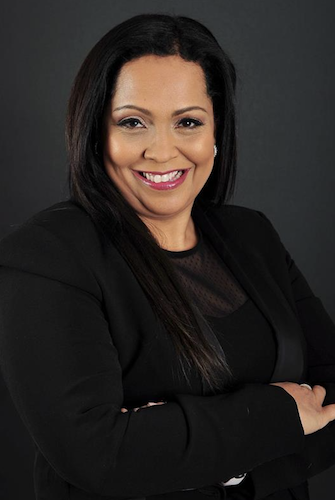
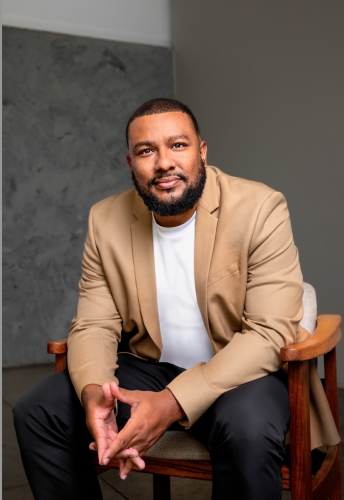
Eloise Boezak, African Bank.

As African Bank continues to prepare for a future public listing, communication has become a key lever for building trust, aligning stakeholders and amplifying strategic intent. The appointment of Eloise Boezak as Head: Strategic Communications and Public Relations marks a critical step in strengthening the Group Marketing Centre of Excellence and ensuring consistent, purposeful communication both internally and externally.

Boezak brings 25 years of experience across financial services, oil and gas, academia and telecoms. She joined African Bank seven years ago and most recently served as Head: Marketing, Personal Banking, where she led major campaigns and helped drive business impact. She is widely respected for her strategic insight, business acumen and leadership.

In her new role, Boezak will lead the group’s communications and PR agenda, focusing on reputation management, stakeholder engagement and brand visibility. She brings with her a rare mix of strategic communication skills, business insight, and leadership. These strengths will be key as she takes on responsibility for driving the bank’s Group-wide communications and PR strategy – at a time when reputation and trust are more important than ever. She will work closely with leadership across the bank to align messaging and boost African Bank’s presence in the market.

AFRICAN BANK
https://www.africanbank.co.za/

Key Trends Driving Youth Marketing Influence

Key Trends Driving Youth Marketing Influence

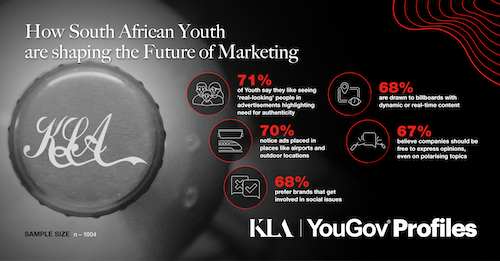
KLA, in partnership with YouGov Profiles, has unpacked the evolving preferences of 18 to 34-year-olds, highlighting what’s driving brand resonance in this market. Millennials and Gen Z in South Africa aren’t just influencing marketing, they’re fundamentally reshaping it.

In South Africa, over 10 million connected Millennials and Gen Z consumers are setting the pace. They expect transparency, value diversity, and reward brands that show up with substance. The data reveals that it’s not just about what this group wants to see, but how they want to feel, and brands that understand that emotional layer are the ones gaining traction

Key Trends Driving Youth Marketing Influence

Real Representation Wins Attention

71% of SA youth say they like seeing real-looking people in advertisements, showing a strong demand for authenticity over airbrushed perfection. The polished, overproduced ad is losing its shine, and raw, relatable, diverse content resonates more deeply with youth audiences.

Young South Africans Prefer Ads That Move, Respond And Reflect Real Life

68% of SA youth say that billboards featuring dynamic content, like breaking news, grab their attention. It’s a reminder that this generation isn’t tuning out advertising altogether, they’re just more selective about what earns their time. Real-world relevance matters. Half of young consumers trust what they see on posters and billboards, and they’re especially drawn to messaging that feels timely and alive. There is a clear preference for tech-driven storytelling, where static visuals give way to movement, interactivity, and context. Billboards that reflect real life are more likely to land.

Brand Activism Must Be Backed By Action

68% of SA youth prefer brands that get involved in social issues. Aligning to the national average, this represents a majority. For youth, activism must feel intentional and supported by real initiatives, not just seasonal campaigns.

Freedom Of Expression Over Brand Conservatism

67% of SA youth believe companies and their brands should be free to express opinions, even on polarising topics. This supports the idea that silence is not neutral. Brands are being challenged to stand for something or risk being seen as outdated or indifferent. To win with youth audiences, brands must switch from transactional marketing to transformational messaging.

Elevate Representation

– Cast real people, not idealised models.
– Showcase diversity in body type, gender identity, and life experience.

Embrace Experiential, Not Just Digital

– Youth are aware of ads in places you wouldn’t expect.
– Focus on real-world visibility through immersive brand presence.

Stay Current, Stay Moving

– Integrate real-time content into digital out-of-home and social media.
– Make use of motion, storylines, and contextual triggers.

Align with Purpose And Prove It

– Partner with causes and communities long-term.
– Make social change measurable and visible.

Be Brave, Not Bland

– Express opinions on key issues when they align with your brand.
– Silence can erode trust faster than making the wrong statement.

South African youth are more than just a demographic, they’re a catalyst for a new kind of marketing. One rooted in realness, relevance, and responsibility. Brands that want to thrive must stop targeting youth and start collaborating with them on values, on visibility, and on vision. When young consumers feel seen, heard, and respected, they don’t just engage – they advocate.

KLA
https://kla.co.za/

Effie Awards South Africa Announces 2025 Jury Panel

Effie Awards South Africa Announces 2025 Jury Panel

Effie South Africa, hosted by the Association for Communication and Advertising (ACA), has announced the full jury panel for the 2025 Effie Awards programme, with this year’s theme reminding us that ‘You Can’t Fake Real Impact.’ Returning to lead the adjudication process are Jury Co-Chairs Refilwe Maluleke, Executive Head of Marketing at Discovery Health, and Ahmed Tilly, Creative Advisor and Director at Number 10 – A Creative Consultancy.

The Effie Awards remain the globally recognised benchmark for marketing effectiveness, rewarding ideas that are grounded in insight, fuelled by creativity, and proven to deliver real business results. Modern Marketing is a proud media partner.

Maluleke commented: ‘Great marketing doesn’t just make noise — it makes impact. The Effies celebrating marketing effectiveness is critical to our industry because it proves that creativity can drive results, strategy can spark growth, and every campaign can be a catalyst for real-world impact.’

Tilly added: ‘Advertising that works has been the order of the day for the past 10 years. Now, the need from brands is for advertising and marketing to go beyond just working. We need to shift needles. The survival of business depends on it, especially in a new and unpredictable world. And for that to happen, wildly creative, delightfully surprising and shockingly authentic creativity is required. Effies 2025 will celebrate that calibre of work because that’s what it will take to give our community any place in the future.’

2025 Effie Jury

The Effie South Africa jury comprises leaders across the marketing and communications ecosystem —drawn from brand, agency, media, research, and strategic roles. Judges are selected for their track record, depth of experience, and understanding of effectiveness.

Round One judges will review all eligible cases, with Round Two handled by a more senior group of jurors tasked with evaluating the highest-scoring campaigns to determine the finalists and winners. The Grand Effie Jury, a separate and senior panel, will be announced in the coming weeks.

Round One Judging takes place on 10 July, followed by Round Two on 24 July. The Effie Awards Gala will be held on 23 October 2025.

The full list of 2025 Effie Judges:

JUDGE DESIGNATION AGENCY/COMPANY
Refilwe Maluleke (Jury Co- Chair) Executive Head of Marketing Discovery Health
Ahmed Tilly (Jury Co- Chair) Creative Advisor Number 10 – A Creative Consultancy
Akona
Golimpi
Creative Director Brave Group
Alex
Goldberg
Creative Partner Ogilvy South Africa
Alleric
Kalicharan
Head of Marketing Location Bank
Ammarah Issufo Marketing Manager – Digital, PR & Social Influence Unilever Home Care
Ana Maria Panait Senior Manager Laundry Unilever
Andreas “Dre”
Shifotoka
Head of Digital and Innovation Publicis Groupe Africa
Anele Nzimande-Maphanga Head of PR Unilever
Anietie
Udoh
Divisional Director Marketing/Editorial Marketing Edge Publication Ltd
Antonio
Petra
Marketing Strategy & Innovation Specialist VML South Africa
Arpan Sur CMO, Sub Saharan Africa Business Unit Mondelez
Atiyya Karodia Strategy Director AKQA
Babalwa Nyembezi Strategy Partner Dentsu
Barend Strydom Senior Digital Lead | Strategy & E-Commerce MindShare (WPP)
Bianca Sidelsky Group Innovation Director PHD Media
Boitumelo Moeketsi Integrated Creative Group Head Duma Collective
Brenda
Khumalo
Founder & Managing Director Lobengula Advertising
Buli
Ndlovu
Executive Head: Retail & Business Banking Marketing Nedbank
Buyi Mafoko Co-founder/ Managing Director Matte BLK
Candice Goodman Managing Director Mobitainment
Charles Sithole Insights Executive IQ Business Insights
Cleo Campbell Head of Media & Creative Capabilities Africa The South African Breweries (ABInBev)
Coenie
Grebe
Executive Creative Director Halo
Dashni Vilakazi Managing Director The MediaShop
Dermot Latimer Founder and Group CEO of Iconic Collective Iconic Collective
Desh Govender Global Culture Marketer Ex-TikTok Global Marketing Lead
Dhatchani Naidoo Managing Director Delta Victor Bravo
Dimpho Khola Brand and Comms Strategist Halo
Dono White Strategy Director VML South Africa
Dudu Mokholo CMO East and Southern Africa (ESAR) Nestle ESAR
Elihle
Obi
Marketing Director Schneider Electric South Africa and Anglophone Africa
Erna George SA Insights & Analytics Senior Director PepsiCo
Ethel Ramos Managing Director
Evan Kotton Digital Media Strategist Mediology
Ille
Potgieter
Managing Director M&C Saatchi Abel, Cape Town
James Cloete Chief Creative Officer RAPT Creative Agency
Jason Harrison Founder & Chief Operating Officer The Up & Up Group
Johannes
Keiper
Strategy Director M&C Saatchi Abel
Jonathan Wolberg Executive Creative Director Happy Friday
Julia Ridderhof Integrated Strategic Planner Joe Public
Kathleen Davis Divisional Executive – Film & Entertainment division at GIB GIB Insurance Brokers (Pty) Ltd
Khensani-Wonder Mabunda CEO KW Kreatives
Kyle Carson Marketing Director: Snacks, Treats & Beverages Tiger Brands Limited
Kyle Oosthuizen CEO Blue Robot
Langa Khanyile Marketing Director PepsiCo
Lara
Chatzkelowitz
Strategy Director TBWA \ Hunt \ Lascaris
Lebo Mokwena Creative Producer WWP Group Africa
Lesego
Kotane
CSO TBWA\ South Africa
Lloyd Wybrow Strategy Director OLIVER South Africa
Lorraine Landon Head of Advertising Products and Solutions SSA Google
Loyiso
Twala
Chief Creative Officer McCann Joburg
Marcelle
Duncan
Head of Brand BMW
Masego
Motsogi
Managing Director M&C Saatchi Abel Johannesburg
Mathabo
Diale
Managing Partner M&C Saatchi Abel
Mathew
Walton
Marketing Manager: Savanna Cider Heineken Beverages
Maxine Selmer-Olsen Senior Strategist Halo
Mia Roets Experience Design Director Joe Public
Michael Cost Head of Strategy and Client Development Humanz
Mike
Sharman
Chief Creative Officer Retroviral
Modjadji Mashatola Head of Strategy McCann Joburg
Mogorosi Mashilo Founder & Director TrendER
Natalie Wilson Managing Director DENTSU CREATIVE South  Africa
Noelle
Augustus
Creative Group Head Ogilvy
Nonkululeko Mabena Head of Strategy Promise
Ntokozo Nhlanhla Executive Creative Director Digitas Liquorice
Paula Hulley Managing Director Digitas Liquorice
Peter Langa Founder & CEO Langa Eleven
Ray
Langa
Group Chief Executive Officer – South Africa Leagas Delaney
Rayhaan Mehtar Head of Strategy The Odd Number
Reagen Kok Managing Director FCB Africa
Rene
Fowler
Head of Integrated Media Operations Juno/Joe Public
Reshma Lakha-Singh Head: Marketing Wits University
Ruan Van Biljon Strategic Account Manager : Social & Influencer Lead EssenceMediacom South Africa
Saiesh Ajudhiya Head of Media, Creative & Innovation Kantar
Sarah Dexter CEO / CSO MullenLowe
Senzo Xulu Head of Digital The Odd Number
Shelley-Ann Atkinson CEO Murmur
Sibu Mabena CCO Duma Collective
Simphiwe Senyatsi Senior Art Director TBWA\Hunt\Lascaris
Sindiwe Mbiko Group Porfolio Lead: Group PR, Digital Content and Corporate Communications Momentum Group (Formerly Momentum Metropolitan Holdings)
Siwelile Thusi Lead Strategist M&C Saatchi Abel
Struan Campbell Group Partner Octagon Africa Group
Sunshine Shibambo Intergrated Director The Racket Club
Tanya Schreuder CEO Juno Media
Tarryn Fowler Marketing Director Rainbow Chicken Ltd.
Tegan Henchie Head of Strategy The South African Breweries (ABInBev)
Tlalane Makape General Manager: Brand & Communications Nando’s South Africa
Toni Hughes Creative Director (Snr) McCann Joburg
Tseliso Rangaka Chief Creative Officer Accenture Song
Tshenolo Koloane Head of Brand Strategy & Purpose Avon Justine South Africa
Veronica Moleele CEO Penquin
Vilosha
Soni
Chief Marketing Officer PepsiCo
Vuyokazi
Henda
Chief Marketing Officer Spur Corp
Yuvisti Ramgulam Director, Client Service MEA OLIVER MEA
Yvonne Mazengera Head of Brand Business Owner
Zachary Kingston Chief Strategy Officer FCB
Zahra Mirza Managing Director HKLM
Zakithi Mncwango Category Marketing Manager Nestlé
Zeenat Mahomed Head of Strategy Red Corner


Gillian Rightford, Executive Director of the ACA, which hosts the Effie Awards South Africa, noted: ‘Effie Awards South Africa is proud to once again honour effectiveness as the true measure of marketing success. The calibre of this year’s jury reflects the diversity of disciplines that power great work — from data, strategy and media to creative and brand leadership. We thank them for devoting their time and expertise to this critical process. The value lies not only in awarding work that works — but in interrogating, uncovering and challenging the thinking behind it.’

Effie Awards South Africa is proudly sponsored by Nedbank, SAB, Unilever, GIB Insurance, and Investec. Modern Marketing is a proud media partner.

Rightford concluded: ‘We look forward to uncovering the strongest campaigns, and in so doing celebrating the agency-client partnerships that have created the most effective campaigns in South Africa.’

EFFIE AWARDS SOUTH AFRICA
www.effieawards.co.za

How To Optimise SEO For The New Search Reality

How To Optimise SEO For The New Search Reality
Image credit: elements.envato.com

According to Richard Frank, Chief technology officer at Flow Communications. Getting Google’s ‘AI Overviews’ to highlight your site comes down to: the organic strength of your website; the way you label your page and the way you structure your copy

When Google launched the feature in 2023, two things were apparent:

– It was the search giant’s response to the meteoric rise of large language models (LLMs) such as ChatGPT.
– It was a shake-up for Google’s ecosystem, comprised of billions of sites that make up the indexed internet, brimming with content that Google organises, ranks and, most importantly, monetises.

The first point is understandable. LLMs are popular tools. We now expect answers in the time it takes to say ‘Hello Google’.

The second point was a shock to the ecosystem. People are searching less and using ChatGPT and similar tools to get their answers. When they do search, they are less likely to click on websites, as Google returns the AI result first.

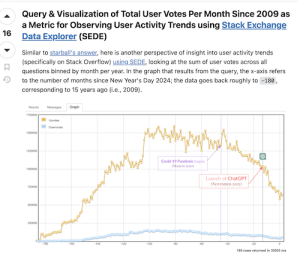
It’s a serious concern. We can see this play out with sites like StackExchange, an online knowledge-sharing forum for the developer community. Statistics suggest the rise of AI has corresponded with dramatically falling traffic numbers for StackExchange.

How To Optimise SEO For The New Search Reality
Source: StackExchange.

Understandably, content creators (from whom Google derives its relevance – what would Google organise and rank if it had no free access to high-quality content?) cried foul. CNN even likened the advent of AI Overviews to the striking of midnight on the Doomsday clock.

So the question is: if the goal of online marketing is to drive people to your digital properties, is there now any point in trying to get the highest ranking on Google?

SEO Is Still Relevant

‘Despite the emergence of AI-powered platforms, Google Search receives approximately 373 times more searches than ChatGPT. This data underscores that search engines are still the primary avenue for information discovery,’ said Koketso Mulatedzi, Flow Communication’s digital advertising specialist.

‘Brands need to be visible on search to capture customers. For example, ChatGPT can provide information, but it cannot help you buy a specific product at a store in your immediate vicinity, nor can it directly facilitate a booking for a local service.’

Mulatedzi warns, though, that search specialists will have to update their toolkits to keep up with how the landscape has changed.

How To Optimise For This New Search Reality

As long as search engines exist, there will be a need to optimise your content to be visible wherever your target market searches. Here are some tips:

The Regular SEO Fundamentals Still Count

The way the search giant ranks content quality has not changed. It still looks at four key factors:

– Experience: does your content suggest you have authentic, first-hand experience in the field you’re writing about?
– Expertise: does your content suggest genuine expertise?
– Authoritativeness: do you have authority to speak on the subject?
– Trustworthiness: how much do others trust you?

The next tips, suggested by SEO experts, could work if your site already ranks highly on Google.

Rethink Keywords

AI has changed the way that people search, encouraging the use of direct questions. This means that SEO specialists need to understand which increasingly complex questions their target audience might ask in relation to their product. Third-party tools such as Semrush now offer tools to track your website’s visibility on AI Overviews.

Adjust How You Structure Content

AI Overviews presents answers, pulled directly from sites. It eschews the rich stories that have long characterised what we regard as good content. This does not mean replacing your copy with bland, eye-glazing drivel suitable only for the palate of a bot. It does mean structuring your content so it offers a question and answer at the top, to sate the bot.

The Bottom Line: Don’t Panic

Perhaps as a result of two decades of what the tech industry blithely calls ‘disruption’, there is a tendency to predict catastrophe with every new wave of change. Will AI search ultimately destroy content creation by cutting off traffic to websites?

Some commentators say the fears are overblown. For their part, Google is convinced that AI will increase traffic to sites. Time will tell.

For now, it seems the best course is for developers and search specialists to get familiar with the new tools, begin experimenting, and stay true to those fundamental principles of working in a digital world: be agile, measure and optimise.

FLOW COMMUNICATIONS
https://www.flowsa.com/

2024 Global Effie Index Reflects Evolving Landscape Of Impactful Marketing

2024 Global Effie Index Reflects Evolving Landscape Of Impactful Marketing

Effie Worldwide has released the 2024 Effie Index®, the 14th edition of the annual global ranking that celebrates the most effective marketing around the world. This year’s rankings are representative of Effie Awards finalists and winners determined between January 1, 2024, and December 31, 2024.

Drawing from finalist and winning entries submitted across regional, national, and global Effie Awards competitions, this year’s Index continues to reflect the evolving landscape of impactful marketing.

‘The Effie Index sets the global standard for marketing effectiveness. It’s about recognising work that works and delivering real impact across geographies, industries and audiences,’ said Traci Alford, Global CEO, Effie Worldwide. ‘This year’s rankings reflect the true breadth of global marketing excellence, and we congratulate all those who earned top honours. We’re proud to celebrate their success and are inspired by their leadership.’

Most Effective Marketers

Top 5: AB InBev, McDonald’s, Unilever, PepsiCo, Mondelēz International

Once again, FMCG/CPG, QSR, and personal care brands dominated the rankings, with AB InBev maintaining its leadership position as the most effective marketer for the fourth consecutive year. AB InBev was followed closely by McDonald’s, which climbed to second place, and Unilever, which moved to the third position. PepsiCo remained amongst the top at number four, while Mondelēz International made a strong showing to round out the top five marketers.

Most Effective Brands

Top 5: McDonald’s, Dove, KFC, Samsung, O Boticário

In the brand category, McDonald’s once again earned the top spot as the most effective brand globally, reflecting its sustained investment in effectiveness-driven marketing. Dove made a significant leap into second place, signalling strong consumer engagement and the impact of purpose-led brand communications. KFC held steady among top brands in third, while Samsung came in fourth place with innovative, high-impact campaigns. Brazil’s O Boticário secured the fifth spot, reinforcing the strength of Latin American brands on a global stage.

Most Effective Agency Holding Groups

Top 5: Omnicom, WPP, Publicis Groupe, Interpublic Group (IPG), Dentsu

Omnicom retained its position as the most effective agency holding group, ahead of WPP and Publicis Groupe, which held the second and third spots respectively. Interpublic Group (IPG) and Dentsu completed the top five, each demonstrating robust global performance across markets.

Most Effective Agency Networks

Top 5: Ogilvy, McCann Worldgroup, BBDO Worldwide, DDB Worldwide, VML

For agency networks, Ogilvy rose to the top in 2024, driven by standout campaigns and consistently effective work across multiple regions. It was followed by McCann Worldgroup, BBDO Worldwide, DDB Worldwide, and VML, which made its debut in the top five following a period of transformation and global expansion.

Most Effective Agency Offices

Top 5: AlmapBBDO (São Paulo, Brazil), Ogilvy (Mumbai, India), Leo Burnett (Mumbai, India), McCann (Gurugram, India), Leo Burnett (Dubai, United Arab Emirates)

At the agency office level, AlmapBBDO in São Paulo, Brazil, held onto the top spot as the most effective individual agency office. They were followed by Ogilvy Mumbai and Leo Burnett Mumbai, underscoring India’s growing influence in the global effectiveness conversation. McCann Gurugram remained among the top as this year’s number four spot, followed by Leo Burnett Dubai, as number five.

Most Effective Independent Agencies

Top 5: Mischief @ No Fixed Address (Brooklyn, NY, United States), ISLA (Mexico City, Mexico), ISLA (Buenos Aires, Argentina), The Womb (Mumbai, India), Soko (São Paulo, Brazil)

Among independent agencies, Mischief @ No Fixed Address, based in Brooklyn, New York, earned the distinction of being the most effective in the world. The agency’s creative innovation and performance-driven approach propelled it to the top just five years after its founding. Latin American agencies also made a strong impact, with ISLA achieving dual recognition for its offices in Mexico City and Buenos Aires. The Womb in Mumbai and Soko in São Paulo completed the global top five, showcasing the global reach and innovation of independent agencies.

2024 Regional Rankings

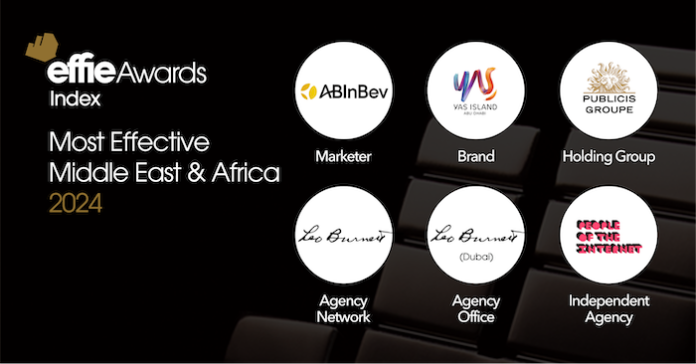
Middle East And Africa

AB InBev (marketer), Yas Island (brand), Publicis Groupe (holding group), Leo Burnett Worldwide (agency network), Leo Burnett Dubai (agency office), People of the Internet (independent agency).

Asia Pacific

McDonald’s (marketer), McDonald’s (brand), WPP (holding group), Ogilvy (agency network), Ogilvy Mumbai (agency office), The Womb (independent agency).

Europe

McDonald’s (marketer), McDonald’s (brand), WPP (holding group), Publicis (agency network), Ogilvy Athens (agency office), Banda (independent agency).

Latin America

AB InBev (marketer), O Boticário (brand), Omnicom (holding group), BBDO Worldwide (agency network), AlmapBBDO (agency office), ISLA Mexico (independent agency).

North America

McDonald’s (marketer), McDonald’s (brand), IPG (holding group), McCann Worldgroup (agency network), Mischief @ No Fixed Address (agency office & independent agency).

2024 South Africa Rankings

RANK SA INDIVIDUAL AGENCY OFFICES   POINTS


1 Halo Johannesburg 76
2 Ogilvy Cape Town 72
3 M-Sports Marketing Communications Johannesburg 51
4 Joe Public Johannesburg 46
5 Ogilvy Johannesburg 42
6 iProspect Johannesburg 30
7 Dentsu Creative Johannesburg 21
8 Hearts & Science Dubai 18
8 Living Masks Experiential Johannesburg 18
8 Mindshare Johannesburg 18
8 Punky Starfish Johannesburg 18
8 SHIFT Johannesburg 18
13 Draftline Johannesburg 13
14 Foneworx Johannesburg 12
14 Retroviral Johannesburg 12
16 99cents Cape Town 6
16 Design Bridge and Partners Cape Town 6
16 Shaun James Film Johannesburg 6
19 Accenture Song Johannesburg 3
19 Juno Johannesburg 3
19 Massif Films Johannesburg 3
19 PHD Cape Town 3
19 Starcom Johannesburg 3
24 Dentsu Johannesburg 2
24 Levergy Johannesburg 2
24 M&C Saatchi Abel Johannesburg 2
24 Promise Group Johannesburg 2
28 Hirt & Carter Johannesburg 1
28 IMA Cape Town 1
28 Machine Johannesburg 1
28 Moonsport Cape Town 1
28 PHD Johannesburg 1
28 SABC Durban 1
28 The Media Shop Johannesburg 1


RANK SA INDEPENDENT AGENCY OFFICES                    POINTS
1 Halo Johannesburg 76
2 Joe Public Johannesburg 46
3 Living Masks Experiential Johannesburg 18
3 Punky Starfish Johannesburg 18
3 SHIFT Johannesburg 18
6 Foneworx Johannesburg 12
6 Retroviral Johannesburg 12
8 99cents Cape Town 6
8 Shaun James Film Johannesburg 6
10 Juno Johannesburg 3
10 Massif Films Johannesburg 3
12 Promise Group Johannesburg 2
13 Hirt & Carter Johannesburg 1
13 Machine Johannesburg 1
13 Moonsport Cape Town 1
13 SABC Durban 1
13 The Media Shop Johannesburg 1


RANK SA AGENCY NETWORKS POINTS
1 Ogilvy 114
2 Joe Public 46
3 iProspect 30
4 Dentsu International 23
5 Omnicom Media Group 22
6 Mindshare Worldwide 18
7 Draftline 13
8 M&C Saatchi 4
9 Accenture Song 3
9 Starcom 3
11 Hirt & Carter Group 1
11 Smollan 1
11 The Media Shop 1


RANK SA HOLDING GROUPS


POINTS
1 WPP 114
2 Dentsu 53
3 Megapro Holdings 51
4 Omnicom 22
5 AB InBev 13


RANK SA BRANDS POINTS
1 Castle Lager 54
2 Pineapple 52
3 Brutal Fruit Spritzer 36
3 KFC 36
5 Capital Legacy 24
5 Carling Black Label 24
7 Cadbury Dairy Milk 6
7 Checkers 6
7 Chicken Licken 6
7 PEP 6
11 SAB 4
12 Nedbank 2
12 Simba 2
12 Telkom 2


RANK SA MARKETERS POINTS
1 AB InBev 118
2 Pineapple 52
3 YUM! 36
4 Capital Legacy 24
5 Chicken Licken 6
5 Mondelez International 6
5 Shoprite Holdings 6
5 Steinhoff International Holdings 6
9 Nedbank 2
9 PepsiCo 2
9 Telkom SA 2


To view the complete rankings and learn more about how rankings are compiled, visit effieindex.com.

EFFIE AWARDS SOUTH AFRICA
www.effieawards.co.za

Ads Need To Be Integral To The Viewing Experience

Leslie Adams, Reach Africa.

According to Leslie Adams, Sales Director at Reach Africa, once upon a primetime, advertising had its place: neatly slotted between soapies on TV or nestled between the pages of your favourite magazine. It interrupted, yes, but in a predictable, acceptable, run-of-the-mill kinda way. Then the Internet Age arrived, and with it, borderless content.

Licencing windows collapsed. If you were open to early-hour alarms and bleary eyes the next day, you could watch Game of Thrones from your apartment in Maboneng at the same time as viewers in New York – sparking a global cultural phenomenon and the rise of the term ‘spoiler alert.’

Streaming platforms took off, content exploded, and the humble ad break started fading as fast as the internet dial-up tone we once thought we’d never forget.

Now, we’re entering a new era: the Age of AI. Content is more curated, personalised and on-demand than ever before. And while we have never liked to be interrupted by ads when we’re enjoying our media, we now have more options to skip it: in a global study, 65% of users says they would skip an ad when the skip button is available.

And it’s not only because attention spans are shortening: in the era of so much choice, we are inundated with media vying for our attention. We’ve had to become more and more selective in what we give our attention to. So yes, while we might skip the ads on YouTube, we can still binge Sirens in one sitting.

The truth is: ads can’t afford to be disruptive anymore. They need to be intentional, intelligent, and integral to the viewing experience.

Ads Aren’t The Enemy. Irrelevance Is.

In the same way that content has become more curated, so too must advertising. We live in an age of infinite choice, where consumers have learned to filter out anything that doesn’t serve them. Attention spans are short, but they’re not the enemy, irrelevance is.

According to the report Ad blockers and advocacy: Why Gen Z is blocking paid ads in favour of real voices, 99% of Gen Z consumers will skip an ad if it’s an option while 63% use ad blockers to avoid online adverts. They give a lot of attention to the things they care about and almost none to what they don’t.

But let’s be honest. No one wants to see ads. Not Gen Z. Not Millennials. Not even Boomers. But people do want to discover new ideas, innovations and solutions – so long as they’re timely and will add real value to their lives.

The implication for brands? Stop interrupting and start integrating.

Ads Evolving Into The Key That Unlocks Content.

Think of platforms like YouTube, Spotify or even eVOD’s ad-supported tier. In these environments, ads are the price of access to content. If you’re not paying with money, you’re paying with attention.

Advertising video on demand (AVOD) is now powering access to high-quality content for audiences who may not be able (or willing) to fork out monthly subscription fees, while CTV home screen advertising is capturing viewers before they’ve even decided which streamer they plan on browsing.

But not all ads are created equal. From pause ads and pre-rolls to brand integrations and sponsored content, there’s an art – and a science – to delivering advertising that actually resonates. It’s not about shouting the loudest; it’s about showing up in the right place, at the right time, with the right message.

Enter AI: The future Is Customised

Here’s where it gets exciting. Thanks to AI, we can start building campaigns that adapt to the person watching; not just their demographic, but their mood, behaviour and needs. Soon, two people watching the same show might see completely different ads; not just in what they see, but how they see it. Creative will become modular, messaging more personalised, and delivery will be deeply intentional.

And it’s not just the content that’s changing: the very platforms we consume it on are evolving. Curated playlists have redefined music. AI-generated watchlists are reshaping TV. Even traditional search is being disrupted by generative tools that give us answers, not results. What happens when half of all global ad spend – currently funnelled into Search – needs to find a new home?

Advertising Has Never Been More Important

As digital content continues to grow and fragment, advertising isn’t going away. But it is being redefined. In a world of limited attention and unlimited content, advertising needs to work harder.

The good news? We now have the tools to do it. Technology is finally on the side of advertisers, allowing us to deliver campaigns that are not just targeted, but elegant.

Powerful ads are those that feel like part of the story. Whether that’s through AVOD, branded content, or CTV formats like home screen billboards – brands must show up with intelligence, not intrusion.

Because in the AI age, the best ads won’t interrupt your content. They’ll be the key that unlocks it.

REACH AFRICA
https://www.reachafrica.com

Spotify Campaign Celebrates True Essence Of Zulu Pride

Spotify Campaign Celebrates True Essence Of Zulu Pride

The Zulu kingdom is known for its deep cultural pride, rhythmic storytelling, rich history and bold expression: traits that echo through generations in music, fashion, language, and community spirit. KZN isn’t just a province; it’s a lifestyle.

Spotify announced the launch of Khuphuka nathi kuSpotify, an initiative designed to celebrate the true essence of Zulu pride. At the heart of this body of work lies the isiZulu phrase ‘Kube ngangemzulu ngayini,’ a powerful expression of pride, identity and belonging that translates to ‘Who would I be if not Zulu’ in English.


To support this initiative, Spotify is launching a hero film that will take viewers on a musical journey of self-discovery, community and belonging. Alongside the film, the platform is showcasing a curated selection of genre-specific music that highlights a rich tapestry of sounds from traditional beats, to contemporary rhythms to ensure listeners explore diverse sonic experiences that celebrate African music culture.

‘Khuphuka nathi kuSpotify is a love letter to our Zulu-speaking users,’ said Sithabile Kachisa, Head of Marketing Spotify Sub-Saharan Africa. ‘This initiative is about celebrating what it means to be Zulu: the pride, identity, and sense of belonging. We believe music is a powerful way to express this, and we are excited to share this journey.’

SPOTIFY
https://open.spotify.com

IP And Copyright Issues In Brand And Marketing Campaigns

IP And Copyright Issues In Brand And Marketing Campaigns
John Syekei, Bowmans.

As South African and Kenyan brands increasingly collaborate, share markets, and engage regional influencers, and as multinational brands frequently choose to launch first in either South Africa, Kenya, or both, the legal terrain around intellectual property (IP) rights has become more complex and more critical. In the race to stand out, marketing efforts often push creative limits, but this can sometimes stray into legally risky territory.

This is according to John Syekei, Partner and Head of IP and Technology; Ghadieja Khan and Richard Odongo, Senior Associates; Nabila Hendricks, Associate; and Victoria Njenga, Candidate Legal Practitioner, Bowmans Kenya.

Catchy Campaigns, Costly Mistakes: IP Risks To Watch For

Trade Mark Infringement

Trade mark infringement occurs when a brand uses a mark that is identical, or so similar to, a registered trade mark that it is likely to mislead or confuse consumers during trade. In such cases, the owner of the original trade mark can take legal action to stop the use and protect their brand.

Both South African and Kenyan trade mark laws and in most cases other trade mark laws on the African continent prohibit the unauthorised use of identical or confusingly similar marks on similar goods or services where there is a likelihood of deception or confusion. These laws also provide enhanced protection for well-known registered trade marks, even when there is no likelihood of deception or confusion, if the use unfairly takes advantage of, or harms, the reputation or distinctiveness of that well-known mark.

Both South African and Kenyan legal frameworks align with international treaties and standards, allowing proprietors of well-known marks to restrain use that may cause confusion or interfere with the distinctiveness of their marks. Trade mark rights are territorial, which means the trade mark is only protected in the country where it has been registered, unless it qualifies as a well-known mark entitled to protection under the Paris Convention, which enjoys broader protection even without registration. There are two common intellectual property risks that often arise in marketing campaigns:

– Using A Registered Trade Mark Without Permission: This can happen when launching a new product or campaign that uses a name already registered and owned by someone else. If challenged, this could result in legal action and even a full product or brand re-launch.

– Referring To A Competitor’s Trade Mark In A Marketing Campaign: Whether through direct comparison or creative reference, this can trigger infringement or passing off claims, especially if it misleads consumers or unfairly capitalises on the competitor’s reputation.

In practice, it’s common for brands to refer, or subtly allude to, competitors in their advertising. Notably, South African courts have held that mere reference to a competitor’s trade mark in advertising does not automatically amount to infringement. The legal test is whether the advertisement or campaign makes it seem like there is endorsement from the competitor. Well-known brands in South Africa or Kenya can take legal action if they believe their reputation is being unfairly used without permission.

These ‘anti-dilution’ legal safeguards are designed to protect strong brands from being exploited. If a well-known brand in South Africa or Kenya is referenced in an advertisement without the proper authorisation, it may argue that the advertiser is either: free-riding on its reputation to boost its own visibility; or diluting its distinctiveness by associating it with unrelated products or services.

Careful consideration should also be given to how competitor brands are referenced in one’s campaigns, ensuring that comparisons are fair, accurate, and unlikely to mislead.

Passing Off

Passing off is a vital common law remedy that protects a business’s goodwill, reputation and market identity. It stops others from misleading customers into thinking their products or services are connected to a well-known brand, which can cause confusion or harm the original brand, potentially diverting sales or damaging the original brand’s reputation.

To succeed in a passing off claim, a competitor must generally establish:

– Goodwill or reputation in their brand or business.
– A misrepresentation by the other party that is likely to deceive the public into believing that there is a connection between the two businesses.
– Damage, or a likelihood of damage, to their goodwill as a result of the misrepresentation.

In advertising and brand campaigns, passing off often arises when one brand borrows cues such as name, visual identity, or tone, that are distinctive of a competitor, in a way that leads to confusion. This risk is particularly high in industries where companies offer similar products or services and target overlapping markets.

Using elements of a well-known brand, directly or indirectly, can lead to a passing off claim. To avoid confusion and legal disputes, advertisers should be careful with creative references and seek thorough legal review where needed.

Copyright Infringement

Copyright infringement occurs when someone uses or exploits a work, such as music, images, video, or written content without permission of the copyright holder. This includes acts like reproduction, distribution or making the work available to the public in a marketing campaign or online platform.

In South Africa and Kenya, copyright protection arises automatically upon creation, automatically vests with the author and does not require registration. In Kenya, while registration with KECOBO (Kenya Copyright Board) is not mandatory for copyright protection, it can be useful as evidence of ownership in the event of a dispute. In the context of advertising, copyright infringement may occur when brands or their creative partners use content such as background music, stock photos, or video clips, without securing the necessary licences or permissions. Short clips, memes, or popular soundtracks shared via social media can trigger legal claims if used without authorisation.

A recent example in Kenya highlighted the risks of unauthorised content use. Kenyan hip-hop group ‘Wakadinali’ accused a social media influencer of copyright infringement for using their song ‘Geri Inengi’ in a video promoting a bank’s services without securing the necessary permissions. The case underscored the importance of synchronisation licences when incorporating copyrighted music into video advertisements, especially in the digital space, where content is widely shared and easily accessible. As the rightful copyright holders, Wakadinali has the legal authority to pursue civil action against any party that unlawfully exploits their work for commercial gain.

For advertisers, the takeaway is clear: risks can be significantly reduced by using or creating original content or securing the appropriate contracts and licences in advance, thereby protecting both the campaign and the brand’s reputation from potential legal and financial fallout.

Who Owns The Content? IP In Collaborations And Campaigns

Copyright law generally grants the initial ownership of creative works, such as photos, videos, text and music, to the person who created them. However, in advertising collaborations involving influencers, artists, or partner brands, determining ownership can become complex.

To avoid disputes down the line, brands must establish clear contractual agreements that explicitly sets out who owns the intellectual property created during the campaign. This includes copyright in the content and any associated trade marks developed or used.

Additionally, when using an individual’s image or likeness for commercial purposes, it is essential to obtain their explicit and informed consent. This is not only a best practice, but also a legal requirement under the Kenyan Data Protection Act 2019, given that Kenyan courts are increasingly upholding image rights and may award damages for unauthorised use. By securing well-structured contracts that address both IP ownership and image rights, brands can effectively manage legal risks in collaborative marketing campaigns while also protecting the integrity of their relationships with creatives, influencers, and partners.

The Legal Fine Line Of Parody In Brand Campaigns

A parody can be a powerful creative tool in advertising. It may be used to entertain, provoke thought, or critique industry norms. However, from a legal standpoint, it carries risk, especially when it involves trade marks or copyrighted material.

Under copyright law in both South Africa and Kenya, parody may be recognised as fair dealing in certain contexts, such as criticism or review. This can provide some protection for creatives, provided the use is transformative and not purely commercial. However, where a parody campaign uses another brand’s trade mark such as its name, slogan, or logo, the legal risk increases significantly.

Trade mark law focuses on consumer perception. If the parody creates confusion about the origin or affiliation of goods or services, it could be considered infringement, even if the campaign is intended as a joke or social commentary. Parody that undermines or dilutes the distinctive character of a well-known brand may also run afoul of anti-dilution protections in both South Africa and Kenya. Given the absence of explicit legal precedent, advertisers should approach parody campaigns cautiously and seek legal advice to mitigate potential trade mark risks.

While parody may be clever and culturally relevant, it can expose a campaign to legal challenge if the advertiser is not alive to the risks and the steps needed to minimise these risks.

Finally, in the dynamic world of marketing, creativity often pushes boundaries and rightly so. While bold and memorable campaigns can deliver significant brand value and deepen audience engagement, they also risk triggering legal disputes and reputational damage if they make unauthorised use of competitors’ intellectual property. By understanding the IP risks in advertising and taking proactive steps to mitigate them, such as getting clearance opinions from IP lawyers, brands can strike the right balance between innovation and compliance, ensuring their campaigns make headlines for the right reasons.

BOWMANS
https://bowmanslaw.com

SA Agencies Shortlisted For Global Gerety Awards

SA Agencies Shortlisted For Global Gerety Awards

The Gerety Awards revealed the global shortlist following jury sessions held around the world. The campaign The Unburied Casket for Woman For Change by Edelman was shortlisted in the Communication and Craft CUTS; Social Screen for Heineken South Africa by LePub Johannesburg was shortlisted in the Experience CUT and MullenLowe South Africa got into the shortlist too with Green Gursha for Knorr in the Health CUT.

Shortlist Highlights:

Germany, USA, UK and France are the countries with more works among the finalists.
VML is the most shortlisted network WHILE Kazakhstan, Paraguay and Croatia got into the shortlist for the first time at Gerety.

Art Direction saw the most shortlisted entries into the Craft CUT with works including Unwrap The Summer, Connecting Europe and In Hot Water. The most shortlisted campaign is Dancing Washers for Whirlpool by VML México.

The Grand jury will now choose the final winners which will be announced Tuesday, September 2. It will include Bronze, Silver, Gold, and Grand Prix, along with the overall Network and Agency of the year winners.

GERETY AWARDS
www.geretyawards.com

Commerce Media Turns Digital Attention Into Growth

Commerce Media Is The Business Model Shift That Turns Digital Attention Into Growth
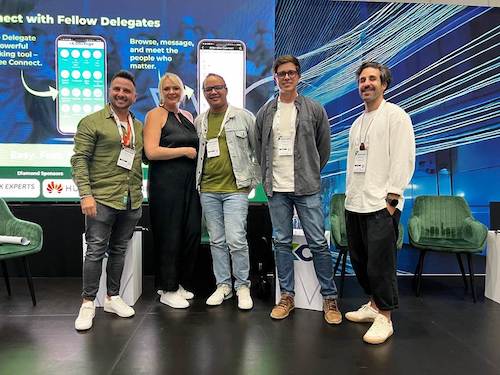
The Converge Africa panel, brought together and hosted by Flow.

Commerce media is emerging as the next big frontier in retail – and it’s growing fast. Globally, the space is projected to reach $130 billion by 2026, and could top $1 trillion by 2030, as giants like Amazon and Walmart continue to turn retail media into high-performing revenue engines. But where does South Africa sit in this fast-growing ecosystem? And how are local brands and retailers positioning themselves for a share of the pie?

These questions shaped a fascinating panel discussion at Converge Africa, held in May at the CTICC in Cape Town. The panel, brought together and hosted by Commerce Media Platform Flow, featured insights from marketing, commerce media and data leaders at Woolworths, Coty, TrafficBrand, and eComplete, who unpacked what retail and commerce media looks like in the South African context – and why now is the moment to act.

‘Commerce media is the broader play on traditional retail media,’ said Daniel Levy, the Co-Founder and Co-CEO of Flow who led the discussion. ‘It’s not just about on-site banners or shelf space anymore – it’s about monetising your audience across every digital touchpoint, on and off your own platforms.’

1. South Africa’s Model Is Different – And That’s An Advantage

While South Africa may be behind markets like the US and UK in terms of infrastructure and scale, it has something those markets often lack: strong collaborative relationships between brands and retailers. This dynamic has created a more agile, flexible environment for commerce media experimentation. Even without automated tools and structured networks, the ability to co-create customised campaigns and rapidly iterate on them, is a unique strength of the local market.

Panellist Ashleigh Boggon, Head of Digital Commerce Africa at Coty Africa, also emphasised the value of an omnichannel approach, explaining how beauty brands, for example, can meet customers where they’re already shopping – especially on fast-growing platforms like TikTok, where local beauty content is thriving.

2. You Do Need A Full Media Network To Start

One of the most actionable takeaways from the session? Social media platforms, owned content, and even email databases are all powerful starting points when paired with the right strategic thinking. So retailers and other commerce-style businesses can start with what they already have – by activating their own first-party data.

3. It’s Not The Size Of Your Data That Counts – It’s What You Do With It

Tiaan van Zyl, Director of Analytics at TrafficBrand, pointed out that businesses often delay launching commerce media strategies because they’re waiting for a ‘perfect’ CRM system or a fully enriched customer data platform. But in reality, many are already sitting on enough actionable insight to begin.

Whether through basic performance metrics, anonymised behaviour data, or segment-level interest profiles, retailers can start with a minimum viable dataset, run small experiments, and refine from there. The key is to tie data use directly to measurable business goals – and let performance feedback drive the next step.

4. Strategic Timing Matters – And Some Are Already Ahead

For Zach Nossel, Head of Digital Marketing at Woolworths, commerce media didn’t just make strategic sense – it was the natural next step in a longer journey of digital investment.

Woolworths had already laid a strong foundation in customer data and analytics. What commerce media offered was a chance to unlock value from that data, particularly in high-growth categories like beauty, where customer engagement is rising and brands are hungry for new ways to connect with audiences.

Flow’s partnership with Woolworths enabled external brands to reach high-intent customers within a premium environment, without compromising Woolworths’ brand integrity. In essence, the company had reached a sweet spot – the right tech, the right demand, and the right data to make commerce media work at scale.

5. Trust, Transparency And Tangible Results

Across the board, one insight stood out: commerce media is not just a media play – it’s a relationship play. Success relies on alignment between partners, transparency in performance data, and shared business goals.

Ray Williams, Head of Digital Marketing at eComplete, highlighted how performance visibility and feedback loops are critical for building long-term trust with brands. Even where media operations are still developing, offering clarity on what’s working – and where optimisations are needed – strengthens buy-in and accelerates growth.

Retailers that can clearly demonstrate value, show campaign results, and adapt in real time will be the ones that win repeat investment from brands.

The Final Takeaway?

Commerce media in South Africa isn’t just coming – it’s already here. The infrastructure might look different from global giants, but the fundamentals are in place: consumer data , brand appetite, and digital platforms with scalable potential.

Retailers don’t need massive media networks or complex data ecosystems to get started. They need strategic intent, a willingness to test and learn, and partners who can help them unlock the full value of their audience.

As Levy concluded: ‘We’re moving from ‘media as spend’ to ‘media as revenue.’ Commerce media is the business model shift that turns digital attention into growth – for both brands and retailers.’

FLOW
https://flowplatform.com

This is Modern Marketing