Home Blog Page 72

Data Shows High-Frequency In-Store Liquor Shopping

Data Shows High-Frequency In-Store Liquor Shopping

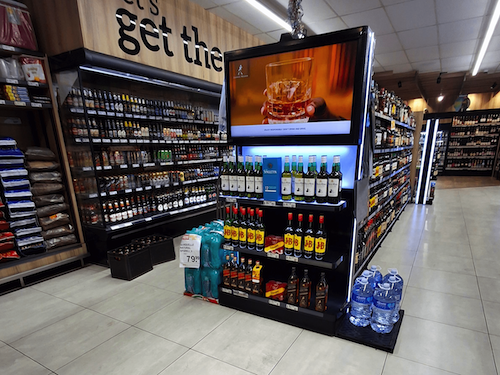
South Africa’s off-trade (1) liquor market, comprising formal retail channels such as grocery liquor stores, liquor wholesalers and hypers, exceeded R100bn in sales in 2024, according to the newly released Liquor Retailing Report from Trade Intelligence. The report shows that retailers are continuing to expand aggressively in the liquor space, and shopper behaviour is evolving alongside shifting channel dynamics.

Retailers Accelerate Liquor Expansion

Looking at South Africa’s listed corporate grocery retailers, the Shoprite Group, Pick n Pay, Boxer and SPAR, standalone liquor store footprint has grown by +31% over the past five years, nearly double the rate of grocery store expansion.

The Shoprite Group has overtaken TOPS at SPAR in total liquor store footprint, operating 925 outlets across Shoprite and Checkers LiquorShop and OK Liquors banners, with TOPS at SPAR operating 914 stores.

Format Performance Highlights Evolving Roles

While grocery liquor continues to expand, a full five years after the pandemic, on-trade (2) liquor turnover still remains below pre-pandemic levels. Although tavern sales showed growth, bars and restaurants remain slower to recover.

Within the off-trade market, grocery liquor sub-channel growth outpaced liquor hypers and wholesalers’ growth.

‘Liquor is still predominantly bought in-store, but it’s a mission-driven category,’ said Nicola Allen, Senior Retail Analyst at Trade Intelligence and lead analyst of the report. ‘Shoppers could be doing anything from stocking up for an event to grabbing a bottle for later to looking for the best possible price, and this drives their behaviour and choices in terms of channel and priorities, i.e. price sensitivity.’

The report identifies several common and/or high-frequency missions that define liquor shopping. Each mission is associated with specific formats and banners, based on value, urgency, and occasion type.

Shopper Behaviour Remains In-Store, But New Behaviours Are Emerging

Across liquor categories, the vast majority of shoppers continue to purchase in physical stores, i.e. over 90% of shoppers across each of the spirits, wine, beer and cider/RTD categories.

This confirms that liquor still plays out on the shelf, even as digital grows, reinforcing why channel-specific retail strategy matters.

At the same time, 46% of 18- to 24-year-old cider/RTD shoppers also regularly buy via delivery apps and are more likely to engage across multiple platforms before purchase.

Across all categories, shopper missions such as stocking up for an occasion, grabbing something for later, and hunting down a special remain common, and frequently influence channel and format choice.

Understanding Format Roles And Shopper Missions Is Key To Planning

Trade Intelligence notes that understanding the liquor retail channel requires close attention to its sub-channel dynamics and shopper missions. Grocery liquor, liquor hypers and wholesalers each play distinct roles in meeting shopper needs, and recovery in on-trade remains slow and uneven across sub-channels. As shopper behaviour diversifies, format roles evolve, and store expansion continues, the importance of clear channel strategies is coming into sharper focus for liquor suppliers and retailers alike.

(1) Off-trade refers to physical or online stores selling beverages for later consumption off the premises.
(2) On-trade refers to bars, restaurants, pubs, and taverns that sell beverages for immediate consumption on the premises.

TRADE INTELLIGENCE
https://www.tradeintelligence.co.za
WesBank Announced As Platinum Headline Naming Sponsor Of 2025 New Generation Awards

WesBank Announced As Platinum Headline Naming Sponsor Of 2025 New Generation Awards

The New Generation Awards are recognised as the largest independent, performance-based accolades in social-first marketing, digital media, AI, creativity, integrated marketing, and online technology. WesBank has become the Platinum Headline Naming Sponsor of this year’s New Generation Awards. This strategic partnership demonstrates WesBank’s commitment to empowering progressive growth by supporting innovation and excellence across diverse industries.

The collaboration with WesBank will bring a new flavour to the event experience, and both parties are looking forward to making this year unforgettable together. To celebrate the partnership, the awards will be rebranded as The WesBank New Generation Awards for twelve months.

Stephen Paxton, the founder of the awards, commented, ‘We are excited to collaborate with WesBank for this year’s New Gen Awards, a growing platform that in 13 short years has adapted its offerings to a diverse audience of future-ready marketers and creatives, paving the way for excellence. It’s a great honour to have as a partner a brand like WesBank, which has demonstrated remarkable resilience and adaptability over its 50+ year history, successfully aligning its offerings with the evolving preferences and expectations of the new generation. This partnership marks a significant new chapter for the awards, showcasing a forward-thinking collaboration that embodies the spirit and aspirations of the new generation.’

Lebogang Gaoaketse, Head of Marketing and Communication at WesBank, commented, ‘Through this new partnership, we feel like we’re exactly where we’re meant to be. We’re moving with the new generation, not just in how we show up differently but also in how we engage. These awards recognise the impact of their creativity, and WesBank is proud to back them all the way.’

About The Awards:

The awards celebrate the innovators among corporations, agencies, and individuals who implement creative strategies and use advanced technology to enhance their brands and products, meeting the changing demands of today’s consumers. Modern Marketing is a proud media partner of the awards.

With 60 industry-specific categories, the awards ignite a spirit of excellence and challenge participants to push the boundaries of innovation, setting new benchmarks for all to aspire to. In just 12 years, New Gen has garnered over 5000 submissions from corporates, agencies, students, individuals, and brands, awarding more than 1500 accolades that inspire the industry to reach unprecedented heights.

WesBank has proudly sponsored the following categories:

• Best Social Media Reach from an Event / Activation by a Corporate.
• Best Online Competition by a Corporate.
• Most Innovative App Developed by a Corporate.
• Best Use of Technical Innovation by a Corporate.
• Mobile Marketing Excellence by a Corporate.
• Most Innovative Gamification Campaign by a Corporate.
• Excellence in Content Marketing by a Corporate.
• Best Use of Social Media to Research and Evaluate by a Corporate.
• Best Augmented Reality Marketing Campaign by an Agency.
• Best Virtual Reality Marketing Campaign.
• The Black Onyx Individual Influencer Marketer of the Year Award.
• The Black Onyx Digital Brand of the Year Award.
• The Black Onyx Social Wiz of the Year Award.
• The Black Onyx Best Customer Experience (CX) Award.
• The New Generation Outstanding Student of the Year Award.
• The New Generation Outstanding Student Group of the Year Award.

The WesBank New Generation Awards are calling for entries. Entries officially opened on May 1st, with the deadline for submissions formally extended until July 25th. This will be the final cut-off date to receive submissions. For more info on the 2025 awards and entry fees, click here.

Judging will begin on August 1st, and the finalists will be announced on September 1st. Get ready for an unforgettable night! This year’s awards gala ceremony will dazzle on Tuesday, September 23rd, at the luxurious NH Sandton. Hosted by the brilliant Lebo Mokoena (The Mood Engineer), and powered by Monster Productions. Mark your calendars, because this is set to be the highlight of the SA awards calendar!

WESBANK NEW GENERATION AWARDS 2025
https://www.newgenawards.co.za/pages/awards

Successful Influencer Partnerships Are Rooted In Purpose And Mutual Value

Successful Influencer Partnerships Are Rooted In Purpose And Mutual Value
Nicole Glover, Penquin.

Nicole Glover, Executive Creative Director – Digital at Penquin, believes successful influencer partnerships are rooted in purpose, insight, and mutual value. It’s not about chasing hype. It’s about building trust, telling stories, and ultimately driving results.

In today’s digital landscape, influencers are an indispensable tool for brands looking to connect with audiences in a truly authentic way. In a world where authenticity now trumps algorithms, the right influencer can elevate your brand with a single post. However, impactful influencer marketing is rarely accidental. Many campaigns fall short — not because of the influencer chosen, but due to a lack of solid, strategic planning.

Prioritise Audience Alignment Over Pure Reach

It’s tempting to chase influencers with millions of followers, but sheer reach can be misleading. The most critical factor is how closely an influencer’s audience mirrors your brand’s target demographic, psychographics, and behaviours. ‘A large follower count is merely a vanity metric if that audience isn’t genuinely interested in what you offer,’ Glover said. ‘True impact comes from precise audience alignment, ensuring your message lands with those most likely to convert and engage.’

Seek Authenticity, Not Just Endorsement

Consumers can quickly identify when an endorsement feels forced or inauthentic. The most effective campaigns emerge from influencers who genuinely resonate with, use, and believe in your product or service. ‘Authenticity is the bedrock of successful influencer partnerships,’ Glover explained. ‘Consumers can discern genuine passion from paid promotion, and it’s the former that truly moves the needle, building trust and credibility.’

Prioritise Creative Credibility

Influencers are creators first. Evaluate their ability to craft visually compelling, platform-native content. ‘Their aesthetic should seamlessly align with your brand, but still feel unmistakably ‘them’,’ said Glover. ‘Forced content performs poorly. Full stop.’

Focus On Engagement Quality, Not Just Quantity

While likes and follower numbers provide a basic metric, true influence is measured by the depth of engagement. Are followers leaving thoughtful comments? Are they asking questions? Is there evidence of genuine brand affinity or a shift in behaviour? ‘Don’t be swayed by superficial numbers,’ cautioned Glover. ‘Deep, meaningful engagement, genuine conversations and action is the true indicator of an influencer’s sway, leading to more impactful outcomes than surface-level stats.’

Be Platform-Smart

Instagram, TikTok, YouTube, and X all play different roles. The platform you choose must match the campaign goal and the influencer’s natural environment. ‘An incredible storyteller on YouTube might not translate to TikTok. Context is everything,’ Glover explained.

Do Your Due Diligence

Before onboarding an influencer, review their previous partnerships. Have they worked with direct competitors? Are they endorsing a new product every week? ‘Your brand deserves exclusivity, not just space on a crowded carousel,’ Glover warned.

Give Creative Freedom – With Boundaries

While brand guidelines are essential, micro-managing content can stifle an influencer’s creativity and diminish authenticity. Empowering influencers with the flexibility to interpret your brief in their unique voice often leads to more engaging and relatable content. ‘While brands provide the brief, true magic happens when influencers are empowered with creative freedom,’ Glover said. ‘This allows them to translate your message into their authentic voice, making it truly resonate with their followers.’

Lock Down the Details

Clear communication is non-negotiable. Agree upfront on deliverables, timelines, usage rights, review processes and payment terms. ‘It’s a creative collaboration, but it’s also a business transaction,’ Glover reminded.

Track What Matters

Use analytics to measure success beyond vanity metrics. Consider engagement rates, sentiment, traffic, conversions, and ROI. ‘Good influencer marketing isn’t guesswork, it’s measurable,’ said Glover. ‘And if you’re not learning, you’re wasting money.’

Successful Influencer Partnerships Are Rooted In Purpose And Mutual Value

Build Partnerships, Not One-Off Posts

‘One-and-done campaigns rarely drive lasting impact,’ said Glover. ‘When influencers become true advocates over time, their audience develops genuine trust – and that’s when you see real brand loyalty.’ When influencers evolve into genuine brand advocates over time, the trust they build with their audience translates into enduring brand loyalty and significant long-term brand equity.

Influencer marketing isn’t a shortcut – it’s a strategic investment. When done right, it can spark emotional connections, boost credibility, and drive real business value. ‘As brands, we need to move beyond the vanity of visibility and focus on meaningful impact,’ Glover concluded. ‘Influencers are powerful. But only when we approach them with purpose.’

PENQUIN
https://www.penquin.co.za

Youth-Owned Brands Awards Celebrated Innovation And Impact

Youth-Owned Brands Awards Celebrated Innovation And Impact
Pat Mahlangu, Youth-Owned Brands Awards.

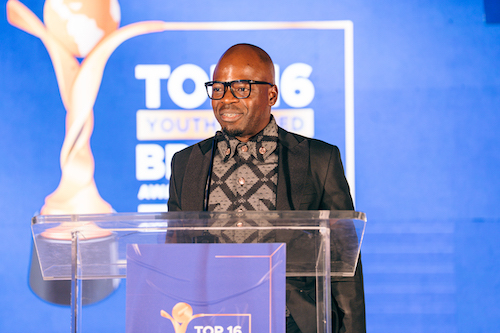
The 4th annual Top 16 Youth-Owned Brands Awards (YOBAs) lit up Sandton on the evening of 21 June 2025, celebrating innovation, impact, and excellence from South Africa and the continent’s most inspiring youth-owned brands.

Hosted at the prestigious LUXX Venue, the 2025 Top 16 Youth-Owned Brands Awards brought together trailblazing entrepreneurs, industry leaders, creatives, and cultural tastemakers for an unforgettable evening honouring the gold standard of youth excellence.

With a surprise performance by Robot Boii featuring Toss, and an electrifying closing by Pusha Pepsy, moving acceptance speeches, and a powerful keynote address delivered by Nomsa Chabeli, Group CEO of the SABC, the event reaffirmed the YOBAs’ reputation as one of South Africa’s most credible and inspiring platforms for celebrating emerging youth-led brands.

Chabeli emphasised the importance of making success visible and inspiring future innovation. ‘Don’t just solve today’s problems — design tomorrow’s solutions,’ she urged, highlighting the need for forward-thinking leadership that creates lasting impact.

‘This year’s awards reminded us that young people aren’t just the future — they’re leading right now,’ said Pat Mahlangu, Founder and CEO of the Top 16 Youth-Owned Brands Awards. ‘Each of these winners represents a unique story of resilience, creativity, and leadership. We’re proud to celebrate them and the industries they are changing.’

This year’s winners were honoured across 16 industry-specific categories, showcasing excellence in fields ranging from agriculture to technology. Two additional Pan-African categories celebrated standout youth-owned brands from across the continent. The 2025 YOBA winners, as independently audited by KXX Auditors, are:

2025 YOBA Winners

1. Afrocurl – Top Hair and Beauty Brand, Sponsored by FNB/WesBank.

2. Akani Simbine – Global Excellence Award, in partnership with Brand South Africa.

3. Africa Afya Healthcare – Top East Africa Brand.

4. iPrint Namibia – Top SADC Brand.

5. Khula! – Top Agriculture Brand.

6. Blank Collection – Top Apparel Brand, sponsored by the Wholesale and Retail SETA.

7. Shala The Unicorn – Top Creative and Arts Brand.

8. Career Kit – Top Education and Literature Brand, Sponsored by PatOn Brands.

9. NOH Eyewear – Top Footwear and Accessories Brand, sponsored by Delivery Ka Speed.

10. The Sweet Slice Luxe Bakery – Top Food and Beverages Brand, Sponsored by Coca-Cola Beverages South Africa.

11. Wisdom and Wellness – Top Health and Wellness Brand.

12. Reliable Renders Home – Top Homeware Brand, in partnership with City Lodge Hotel Group.

13. The Warehouse Boys – Top Manufacturing Brand, in partnership with Proudly South African.

14. Motsepe Advertising – Top Media Brand, in partnership with the SABC.

15. GirlCode – Top NPO and Charities Brand.

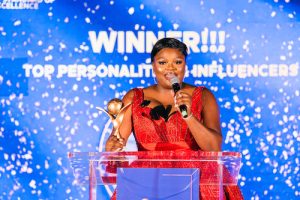
16. Grace Mondlana – Top Personalities and Influencers Brand, Sponsored by MTN Pulse.

17. Sneaker Cleanic – Top Services Brand, Sponsored by Legends Barber.

18. Computer Guardian – Top Technology Brand, Sponsored by Lerato Agency.

19. Asambeni Getaway – Top Travel and Tourism Brand, in partnership with South African Tourism.

Youth-Owned Brands Awards Celebrated Innovation And Impact
Grace Mondlana, Top Personality and Influencer Brand Winner.

Afrocurl was awarded as the Overall Top Brand of 2025 — a historic achievement that marks a significant milestone not only for the brand itself but also for the YOBA Awards. This win is particularly groundbreaking as Afrocurl becomes the first recipient of the title from outside of Gauteng, and notably, the first female-owned brand to earn this prestigious honour. It’s a powerful testament to the growing diversity and reach of South Africa’s entrepreneurial excellence.

This year’s special honour, the Global Excellence Award, was proudly presented to Akani Simbine — one of South Africa’s most accomplished athletes and a global ambassador for excellence. The award, a non-voting category, recognises individuals whose remarkable global achievements and consistent international representation have elevated the South African brand on the world stage. In 2025, Simbine made history by becoming the first athlete ever to record sub-10-second 100 m performances for 11 consecutive seasons, surpassing a record previously held by Usain Bolt. He also secured his first global individual medal with a 60 m bronze at the World Athletics Indoor Championships in Nanjing. His relentless dedication, consistency, and pride in flying the national flag make him a fitting recipient of this prestigious accolade, presented by Brand South Africa in partnership with the Youth-Owned Brands Awards for the second consecutive year.

Youth-Owned Brands Awards Celebrated Innovation And Impact

Backed by an esteemed lineup of sponsors and partners — including FNB/WesBank, South African Tourism, W&R SETA, and Delivery Ka Speed — along with returning giants such as CCBSA, MTN Pulse, Legends Barber, Proudly South African, Brand South Africa, City Lodge Hotel Group, Lerato Agency, Pat On Brands, Nalesa Media, and Reveel Out of Home, the 2025 edition was further elevated by impactful media support from SABC Radio. Now in its fourth year, the Top 16 YOBAs continue to champion the value and viability of youth-owned brands — not only recognising success but also catalysing growth, mentorship, and industry collaboration.

‘It’s more than an award show — it’s a movement,’ Mahlangu added. ‘And each year, we grow stronger because of the vision, passion, and determination of the young entrepreneurs we honour.’

As Youth Month continues, the 2025 YOBAs reaffirmed the importance of backing local talent and building brands that reflect the creativity, diversity, and entrepreneurial excellence of South Africa’s youth.

YOBAS
https://top16yoba.co.za/

Irvine Partners’ CEO Named On Women In PR 40 Over 40 Power List

Irvine Partners' CEO Named On Women In PR 40 Over 40 Power List
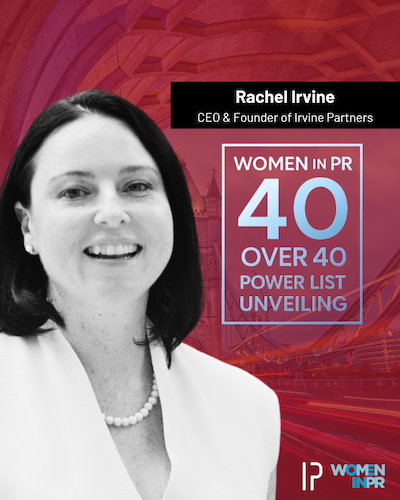
Rachel Irvine,Irvine Partners (IP).

Irvine Partners (IP) is proud to announce that its CEO, Rachel Irvine, has been named to the prestigious Women in PR 40 over 40 power list in the United Kingdom. This recognition celebrates women in leadership who have demonstrated exceptional leadership, driven change, and championed effective staffing strategies within the industry.

‘This list celebrates the vision and lasting impact of women who continue to lead with purpose,’ said Rachel Irvine.

The honour not only spotlights Rachel Irvine’s achievements but also underscores the strategic advantage of Irvine Partners’ approach to assembling the most effective teams. This emphasis on broad perspectives and a range of experiences has propelled the agency from its South African roots to international acclaim, with wholly owned offices now thriving in the UK, Germany, Kenya, Nigeria and Ghana.

The proudly woman-owned and led agency gets that securing the right talent, regardless of background, is a direct business advantage. Three in every four of its employees are women, with people of colour comprising 60% of its global staff.

IP cultivates a workplace where varied expertise is valued. Its talent strategy allows its teams to bring unique insights to complex client challenges that can only be navigated with a nuanced understanding of audiences across its six regions. IP’s emphasis on its people and culture is crucial to how the agency maintains long-term client relationships with global industry giants, such as Google, Spotify, Uber, TikTok, and Salesforce.

‘Good ideas don’t carry passports,’ Irvine added. ‘Our global success isn’t just about market expansion; it’s a testament to the power of diverse perspectives and a culture where entrepreneurial spirit thrives, consistent excellence is expected, and everyone’s potential is actively grown. As we’ve grown from Woodstock in Cape Town to Westminster, London, we’ve built an environment where every team member is actively coached and cultivated to excel. This ethos isn’t just a moral compass; it’s our strategic asset.’

The Women in PR 40 over 40 power list addresses ageism in the PR industry, a bias that research shows disproportionately affects women from the age of 40 onwards. Irvine’s inclusion is a strong counter to this trend, highlighting the significant value experienced professionals bring to the industry. ‘Grumbling about a stacked deck seldom yields results,’ advised Irvine.

‘If you’re in a place that doesn’t serve or support you, leave. Back yourself and find your tribe.’

IRVINE PARTNERS
https://www.weareirvinepartners.com

Pnet Reveals New Brand Identity

Pnet Reveals New Brand Identity

Pnet has revealed a new brand identity that brings a slick, modern aesthetic, fresh icons, and a friendlier feel to the platform. The transformation aligns the look and feel of Pnet more closely with its parent company, The Stepstone Group.

The refreshed brand and identity reaffirms Pnet’s commitment to empowering South African recruiters with smart, world-class tools as well as supporting jobseekers with an intuitive, personalised platform. It also clears the way for Pnet to more rapidly bring the latest tools and insights from The Stepstone Group to the South African market.

‘Our makeover is a visible sign of deeper change – a commitment to delivering the best technology and user experience for job applicants and recruiters,’ said Michelle Dobson, Head of Brands at Pnet. ‘It’s more than a new visual identity. It’s a promise to keep innovating faster with richer features, better candidate matching, and sharper hiring insights. For recruiters, the rebrand means future access to globally proven technology that enhances the hiring experience. For jobseekers, it’s a platform designed to resonate more with this audience, be more personalised and easier to navigate as they look for their next opportunity.’

The rebrand, defined by gradient colours in turquoise and coral, draws on a universal insight: many people feel stuck or uncertain before starting a job search. Inspired by a sunrise, the visual identity of the gradient symbolises new beginnings and fresh opportunities. With vibrant colours and a new icon system inspired by Stepstone’s signature stepping stone mark – known affectionately as ‘stoneys’, the brand aims to reassure and support users at every step.

The new brand has led to significant growth in site traffic, job applications, and jobseeker registrations in the European markets where it has gone live over the past 20 months. Early data shows that the refreshed identity resonates with users, helping jobseekers feel more confident and engaged, and connecting recruiters with better-quality candidates.

PNET
https://www.pnet.co.za/

Major Sports Tournaments Act As Accelerators For Brand Performance

Major Sports Tournaments Act As Accelerators For Brand Performance
Florian Riedmuller,Stellenbosch Business School.

As the Mamelodi Sundowns prepare to make their historic appearance at the first ever FIFA Club World Cup, they are stepping onto more than just the football pitch. They are walking straight into the middle of a global brand battleground, one where the fiercest competition doesn’t always come from the teams, but from the logos on their kits.

Behind every goal, tackle and celebration at this year’s tournament is a high-stakes marketing war between the titans of the sporting goods industry: adidas, Nike and Puma. Of the 32 teams competing, 12 will wear adidas kits, seven Puma and six Nike with the remaining seven representing a spread of niche or regional brands: Dynasty, Reebok, Kappa, Umbro, Charly Sport, New Balance and Macro, none of which represent more than a single team. This pattern mirrors the FIFA World Cup and UEFA Euro tournament’s recent configuration, underlining how three industry giants continue to dominate football’s most visible stage.

While fans focus on the final score, these brands are chasing a different goal: visibility, emotional resonance, and ultimately, consumer loyalty. The FIFA Club World Cup is not just a football tournament, it’s a global showroom. And from the first whistle to the final, every pass and penalty is a marketing opportunity.

The Business Of The Beautiful Game

Having worked as a marketing manager for both adidas and Nike before joining academia, I’ve seen firsthand how major tournaments act as accelerators for brand performance. Tournaments like the Club World Cup allow companies to strategically activate their entire marketing funnel: from raising brand awareness through global TV exposure, to driving brand consideration among football fans, to converting attention into purchases of boots, replica kits and even the official match ball.

Speaking of which: the official ball, visible in every match and even in team training sessions, is provided exclusively by adidas, based on a FIFA sponsorship contract. This guarantees a level of exposure unmatched by most advertising formats. It’s not just a ball, it’s an ambassador.

The Three-Front Branding Strategy

Sporting goods companies have a variety of partnership strategies to choose from. Some partner directly with federations, as adidas has done with FIFA – a high-visibility but low-emotion play. Others work with individual clubs or national teams. And then there’s the most emotionally resonant, if risky, investment, athletes themselves.

Across the nearly 1 000 players expected to participate in this tournament, brands compete to sign the brightest stars, hoping that a single goal celebration or camera zoom-in will justify the millions spent on endorsements. Each strategy carries its trade-offs: federation partnerships provide predictability, but athletes provide charisma.

The Power Of The Fixation

Recent empirical research from Prof Riedmueller using eye-tracking technology during football broadcasts found, that 50% of the TV audience has at least one visual fixation on a sporting goods manufacturer’s logo during a match. In an environment saturated with advertising, the key to being noticed isn’t just presence, it’s contrast. That’s why boots have become progressively more colourful and kits more experimental. Visual disruption equals brand recall.

Mamelodi Sundowns: Making A Statement, Visually And Culturally

For the Mamelodi Sundowns, their appearance at the Club World Cup is already a landmark moment for South African football. But they’ve also become part of a much bigger branding play. Partnering with Puma, the Sundowns will don a limited-edition kit co-designed with the New York-based design collective KidSuper Studios. It’s a bold, artistic move that blends fashion, performance and cultural relevance, exactly the kind of hybrid strategy that opens up new revenue opportunities beyond the pitch.

Special edition kits do more than just look good: they tell a story. They create moments that are Instagrammable, memorable, and, most importantly, shoppable. For the clubs involved, this kind of collaboration offers a powerful blend of merchandising income and cultural capital.

A Long History Of Commercial Firsts

All this isn’t new. The sporting goods industry has long used football tournaments as stages for innovation and visibility. In 1968, adidas launched the first official football tournament ball for a European Championship. Not long after, Admiral became the first brand to place its logo on the national team jersey of England, kicking off the era of branded kits.

Since then, the commercialisation of football gear has become central to the sport’s business model. And while purists may lament the commercial takeover, there’s no denying its role in funding player development, club growth, and global accessibility.

South Africa On The Global Stage

The Sundowns’ participation also signals something bigger for African football. As global brands activate their campaigns and push product during the tournament, South Africa has a rare opportunity to be part of the conversation, not just in sporting terms, but in cultural and commercial ones too.

If brands are fighting for visibility, South Africa is now part of the arena. This is our time not just to play, but to be seen.

Football may be played on grass, but the real battleground is often stitched into fabric, printed on boots and spun into social media narratives. The FIFA Club World Cup will crown a champion on the pitch. but off it, the likes of adidas, Nike, and Puma are all chasing their own form of victory.

And as Mamelodi Sundowns lace up for this global tournament, they do so not only representing South African football, but carrying with them the weight, potential and visibility of a continent on the rise.


Stellenbosch Business School

https://www.stellenboschbusiness.ac.za/

The Evolution Of Live Sports Consumption

The Evolution Of Live Sports Consumption
Tumelo Silekane, Nielsen Sports SA.

Watching your favourite sport is not an objective experience. It is emotionally driven by fans who need to feel something, enlivened by the roar of the crowd, the shimmer of lights, the connection that comes from sharing a moment with thousands of others who care just as much as they do about the outcome of the game. At Nielsen Sports SA, our data about live/in-person sports events tells a clear story: people are no longer just buying tickets — they’re investing in memories.

It starts, of course, with the drawcard: a beloved team, a music icon, a major final. But that’s only the beginning. Fans want energy. They want to engage. They want access — to quality action, to curated zones where they can sing, shout, eat, laugh and feel like part of something bigger.

It’s true, we have endless digital distractions and unlimited content. In that context, live events can’t just be convenient — they need to be worth it. That means emotional pay-off, comfort and relevance. Supporters are also looking for community. The best live events tap into that. They accomplish that in family zones with safe activities or supporter sections that feel like home. The modern fan experience is layered, personal, and shareable – never one-dimensional, and successful organisers are more cognisant of that than ever.

Because here’s the thing: a great event doesn’t end when the whistle blows. It lives on through social media clips, word of mouth and broadcasts that showcase not just the performance, but the feeling. The most successful outcome here being that, when someone watching at home sees fans like them having the time of their lives, they don’t just want to watch next time — they want to be there.

Of course, none of this works without good logistics. If the pricing feels impossible, the signage confusing, or the queues ridiculous, it doesn’t matter how good the showpiece is. The magic fades. And sponsorship? It only works when it means something — when it adds to the experience, not interrupts it.

Ultimately, success is about more than sold-out crowds. It’s about crafting something worth coming back for. That’s the challenge we face — and the opportunity. Because when we deliver what fans truly want, we’re not just putting on a show. We’re building loyalty, community and unforgettable moments that people carry with them long after the lights go down.

NIELSEN SPORTS
https://nielsensports.com/

Sunshinegun Creates New Brand Identity For Nelson Mandela Children’s Fund

Sunshinegun Creates New Brand Identity For Nelson Mandela Children’s Fund

Sunshinegun has been appointed to create the new brand identity and positioning for the Nelson Mandela Children’s Fund (NMCF), following a pitch process that was recently concluded. Sunshinegun will be responsible for developing the Fund’s new brand positioning strategy and visual identity, helping the organisation reaffirm its leadership role in advocacy and legacy-building.

The appointment forms part of a broader communications strategy that includes DNA Brand Architects as the Fund’s marketing campaign partner, and Africa Communications Group for public relations.

Founded by President Nelson Mandela in 1995, the Fund works to change the way society treats its children and youth, through programmes that promote health, safety, economic resilience, leadership and excellence. Its flagship initiative is the Nelson Mandela Children’s Hospital, a world-class facility offering specialist care to children across Southern Africa.

‘We selected Sunshinegun for their strong brand-building credentials, and the energy they bring to their work. Their bold, thoughtful design approach felt like a natural fit for our brand and the next chapter of the Fund’s journey,’ said Dr Linda Ncube-Nkomo, CEO of the Nelson Mandela Children’s Fund.

Katinka Pretorius, Managing Director of Sunshinegun, said the opportunity holds deep meaning for the agency. ‘We are a proudly South African company, and nothing gives us more joy than bringing the vibrant design spirit of this country to the world. To contribute to an organisation started by President Mandela, and one that brings about real change for children, is both an honour and a responsibility,’ she said.

‘At Sunshinegun, we believe beautiful brands have the power to illuminate and change the world,’ added Pretorius. ‘Our goal is to help elevate the Fund’s visibility, grow its impact, and support it in opening doors to more donors, supporters and partnerships both locally and globally.’

Work on the brand identity project is already underway and will roll out in phases over the coming months.

SUNSHINEGUN
https://www.sunshinegun.com

Media Consumption Patterns Of South African Mid To Top-Income Earners

Media Consumption Patterns Of South African Mid To Top-Income Earners

In an increasingly polarised world, we tend to make somewhat extreme assumptions about how divided our behaviours must be, but in reality there are significant grey areas when it comes to the media consumption patterns of South African mid to top-income earners.

BrandMapp is South Africa’s largest survey of the country’s tax paying base, drawing data every year from more than 35,000 adults living in households with a monthly income of R10k +. Spanning Gen Z to Boomers and older, BrandMapp’s insights reveal that traditional media does continue to hold ground in the challenge by digital media offerings. For instance, Dstv (63%) is still more popular than Netflix (58%), and there are still slightly more SABC viewers (33%) than daily YouTube viewers (31%) amongst the South African consumer class.

Brandon de Kock, Director of Storytelling at BrandMapp said, ‘What we must bear in mind is that legacy media is not necessarily so ‘traditional’ anymore. Especially, when it comes to the delivery of the news. Digital transformation in the media industry means that today you can easily find your top legacy news titles across multiple platforms. There they have the advantage of standing out as long-lived, reliable brands. Though, it must be noted that paid news subscriptions in South Africa remain very low at just 8%.’

When it comes to getting news you can trust, legacy media sources dominate with 43% reading free news online, 40% tuning into the radio to listen to the news and 35% still watching traditional TV news. By contrast, only 20% of South Africa’s consumer class say they get news from TikTok, 21% from YouTube and 19% from X (Twitter) and Instagram. ‘Even then,’ De Kock said, ‘This is not an indication that social media users are getting their news from some other kind of ‘new’ news sources, because they could very well just be following their trusted legacy brand’s social accounts. What we are seeing is that there are no longer a lot of distinct borders between traditional and digital news media.’

How SA Generations Get Their News

As expected, there is a generational divide when it comes to news consumption, and it’s not all that surprising – 53% of Boomers watch TV news compared to just 30% of Gen Zs; while 39% and 36% of Gen Zs find news on Instagram and TikTok respectively, versus only 7% of Boomers. ‘But,’ said De Kock, ‘BrandMapp also shows that 39% of Gen Zs say that they are reading free news online. So, this up-and-coming generation are just as likely to be engaging with legacy news brands as they are finding different news sources via social media. We find 50% of the consumer class is still drawn to traditional news brands, whether online or in print.’

However, BrandMapp is tracking a general downswing in trust in news media. Trust in television news has dropped by 10% between 2020 and 2024, while trust in radio news has dipped from 49 to 44% and trust in newspapers has declined from 37% to 33%. While this is worrying, these rates of trust are still higher than trust in digital news media. In 2024, only 26% of BrandMapp respondents said they trusted the news they got from YouTube – and the matter of trust for Twitter (15%), Instagram (16%) and Facebook (16%) news was notably lower.

De Kock said, ‘When we put the generational filter on the BrandMapp data, we see that while 32% of Gen Z say that they trust news on YouTube, 38% of them trust legacy TV news and 33% trust radio news. So, even our purest generation of digital natives are looking to legacy brands and platforms when they are looking for truth.’

BRANDMAPP
https://whyfive.co.za

This is Modern Marketing