Home Blog Page 69

Flow Communications Listed As Leading Digital/Specialist Agency In Sub-Saharan Africa

Flow Communications Listed As Leading Digital:Specialist Agency In Sub-Saharan Africa

Flow has been named the top digital/specialist agency in sub-Saharan Africa by the MMA SMARTIES Business Impact Index (BII) 2024. The MMA SMARTIES BII recognises the best-of-the-best in marketing worldwide, ranking agencies, brands, advertisers and solution providers based on their business impact.

On the MMA SMARTIES website, agencies and their performance rating are displayed across various categories, including Digital/Specialist Agencies, Media Agencies, Solution Providers, Advertisers, Agency Networks and Brands.

Flow Communications proudly tops the chart with the highest score on the Top Digital/Specialist Agencies – Africa 2024 list.

‘We’re delighted to have our work recognised on the SMARTIES index,’ said Flow Communications CEO Tara Turkington. ‘Digital expertise, measurable results and impact are central to what we do, and we couldn’t achieve this level of success without the passion of our Flowstars. We do this for our incredible clients who trust our creativity, dedication and heart to make our mark on the continent, and the rest of the world.’

Developed in partnership with WARC, a global authority on advertising and media effectiveness, the index is informed by thousands of campaign submissions from across the globe.

FLOW COMMUNICATIONS
www.flowsa.com

Global Nominations Open For Hall Of Fame That Honours Creative Luminaries

Global Nominations Open For Creative Hall of Fame That Honours Creative Luminaries

The Creative Hall of Fame has a rich heritage of honouring the lifetime achievements of creative luminaries in advertising, design, and education, starting with the induction of Leo Burnett in 1961. The One Club for Creativity has opened the global call for nominations for the 2026 edition of its prestigious biannual Creative Hall of Fame induction.

In its current incarnation, it encompasses inductees into the Copywriters Club Hall of Fame (1961–1974), the Art Directors Club Hall of Fame (1972–2012), and the Educators Hall of Fame (2012–present), all under the umbrella of the non-profit One Club for Creativity.

Nominations are free for club members, with a submission deadline of September 30, 2025. The cost is $200 per nomination for non-members, but includes a one-year One Club Professional Membership. Details about becoming a member are here.

Criteria For Consideration Is Three-Fold:

Impact: those who have a celebrated body of work. This includes work that has been recognised as the best in the industry over multiple years for multiple brands, can be considered truly innovative and original in thinking and execution, and has an undeniable lasting impact.

Influence: those who have used their creativity and leveraged their resources to advance the industry and serve the greater good.

Inspiration: those who have had a measurable, positive effect on the next generation of creative leaders, and are known industry-wide as mentors, door-openers, and opportunity-creators.

Nominations must be accompanied by a compelling case document including a current bio, headshot, 10+ examples of work, references to accolades and recognition they received, and at least four testimonial letters of support.

Qualified nominees from around the world will be reviewed by The One Club Board of Directors. A shortlist of candidates will be determined, and nominators will be interviewed early next year about why they believe their nominee deserves to be inducted. The Board will then make the final selection of the newest inductees, who will be announced in Spring 2026 and celebrated at a special black-tie fundraising ceremony in September 2026 in New York.

The One Club Board is actively seeking nominees with a wide range of experience and backgrounds, including those who may have experienced a lack of mainstream recognition for their significant contributions to advancing creativity.

The free Creative Hall of Fame nomination process is open globally to the club’s nearly 11,000 members, including those at the 25 non-profit organisations in Austria, Bulgaria, Cyprus, Czech Republic, Estonia, Finland, Georgia, Germany, Hungary, Iceland, Ireland, Italy, Latvia, Lithuania, Netherlands, Portugal, Romania, Slovakia, Slovenia, Spain, Switzerland, Ukraine, and United Kingdom that make up the Art Directors Club of Europe (ADCE), part of The One Club for Creativity. Non-member paid nominations can be submitted from any country.

In addition to honouring an esteemed group of advertising and design professionals and educators, the Creative Hall of Fame ceremony is also a major fundraising event to support the non-profit One Club’s many ongoing education and professional development initiatives.

These include programmes to support the next generation of creative leaders, such as workshops for high school students to learn about the industry, college-level scholarship, mentoring and recognition programmes, outreach to bring underrepresented talent into the industry, portfolio reviews for young creatives, and more.

‘The Creative Hall of Fame is the ultimate recognition of visionary creative professionals and educators who transformed the industry and continue to inspire the next generation of creative talent,’ said Kevin Swanepoel, CEO, The One Club. ‘The open nomination process enables us to engage the broader global community, and identify the best candidates possible.’

For more information, please visit the Creative Hall of Fame website and nomination portal.

CREATIVE HALL OF FAME
https://chof.oneclub.org

Forward-Thinking Brands Are Shifting From Audience Guesswork To Performance-Driven Intent Strategies

Forward-Thinking Brands Are Shifting From Audience Guesswork To Performance-Driven Intent Strategies
Daniel Levy, Flow.

If you’re still building campaigns around the same old audience segment, you’re not alone – most marketers are. Not because it’s working, but because there hasn’t been a better, easier way to access fresh, high-quality audiences. For too long, audience buying has been fragmented, expensive, and slow to scale. But change is already underway, driven by a growing part of the media ecosystem: commerce media, and the increasing ability to layer audiences with precision and intent.

‘Today’s best–performing brands aren’t just targeting,’ said Daniel Levy, Co-Founder and Co-CEO of Flow. ‘They’re layering, testing, and scaling. And they’re doing it with the help of first–party data – not vague assumptions.’

The Real Reason Targeting Needs A Reset

Most advertisers have become highly skilled at creative testing, channel optimisation, and campaign execution. But when it comes to audience strategy, many are still stuck in the same old patterns, because the systems weren’t built to flex. For years, audience buying has looked like this:

– Expensive and rigid: locked into cost per thousand impressions (CPMs), where you pay based on volume, not value.
– Slow to scale: with long lead times and manual processes.
– Siloed: often limited to one source of data per campaign.

That makes it hard to test new audience combinations or shift strategy quickly. So, teams default to what they already have: recent site visitors, customer relationship management (CRM) lists, or old retargeting pools. It’s comfortable, but it’s not cutting-edge. And what worked five years ago simply won’t drive performance today.

What Commerce Media Makes Possible

Commerce media helps solve these problems. It connects advertisers to rich behavioural data, from retailers, marketplaces, and ecommerce platforms, and opens access to dozens of pre–qualified audience segments, not just one at a time.

These aren’t generic interest groups. They’re people actively researching, comparing, buying, or returning to checkout – and they can be activated across platforms like Meta, Google, and TikTok.

Importantly, commerce media doesn’t replace your current audiences, it enriches them, allowing you to work with higher-quality signals and layer them into more effective targeting.

Layered Targeting Is The New Baseline

Gone are the days of blanket targeting. Today’s leading brands are shifting to layered audience strategies, which means:

– Testing multiple audiences in parallel.
– Combining signals like cart activity, product views, or loyalty status.
– Building richer retargeting pools using new, multiple data sources.

This approach is agile, efficient, and increasingly expected, especially in high-performance media buying. More signals. Smarter strategy. Better outcomes.

Forward-thinking brands are already shifting from audience guesswork to performance-driven intent strategies. Here’s how:

– They tap into existing commerce signals from retailers, ecommerce platforms, and data partners to access ready-to-convert segments.
– They test and layer audiences to find what drives the best ROI, not just the most clicks.
– They retarget smarter, using every campaign to build more qualified, high-performing audience pools for the future.

Instead of trying to reach more people, smart brands are getting better at reaching the right people, and seeing better results as a result.

Third-Party Cookies Are Going, And That’s Fine

For years, marketers relied on third-party data as a crutch. But in reality, most of those segments were generic, outdated, and wildly overused. It’s no wonder performance often fell short.

Commerce media proves you never needed third-party cookies in the first place, said Levy. ‘Performance doesn’t just come from better creative or more budget – it comes from better access to the right audience. The brands who realise that first will take the lead.’

Your Next Move: Build Audience Access Into Your Strategy

You don’t have to build these audiences from scratch. Across South Africa, platforms are sitting on deep pools of first-party data – actual purchase signals, not guesswork – from millions of consumers.

Commerce media brings this to marketers in a way that’s accessible and actionable. And certain platforms allow you to build a flexible audience strategy that is:

– Not limited by cost models like CPM.
– Not restricted to a single segment or data source.
– Fully customisable, layered, and scalable over time.

This allows marketers to plan, test, and refine strategies with the same agility they bring to creative and media planning.

Create A Competitive Advantage

This shift isn’t coming, it’s here. Globally, commerce media is growing faster than traditional digital channels and is expected to exceed $100 billion in annual spend in the next few years. Locally, the smartest brands and agencies are already adapting by not just buying media but developing audience strategies that truly deliver. Soon, every marketer will expect to work this way.

‘The future isn’t one audience, it’s access to every audience that gives you an edge,’ said Levy. ‘So, if you’re still using one-size-fits-all targeting, good luck. The brands that win? They’re making these moves now, learning fast, and getting ahead.’

FLOW
https://flowplatform.com

South Africa’s Forecourt Retailers Are Shifting Their Focus Beyond The Pump

South Africas Forecourt Retailers Are Shifting Their Focus Beyond The Pump

As fuel volumes decline and competition intensifies, South Africa’s forecourt retailers are shifting their focus beyond the pump toward food, convenience, and partnerships that drive loyalty and spending.

Trade Intelligence’s latest Forecourt Retail Report sheds light on a channel under pressure, yet actively adapting. Forecourts are evolving into dynamic convenience hubs, embracing partnerships and diversified services to preserve margins and unlock new growth. The fuel that once defined the forecourt is no longer enough to sustain it.

Beyond The Pump: Understanding Foot Traffic Dynamics

While fuel volumes have declined by 6.3% over the past year, the number of South African forecourts has grown by +12% over five years. This increased competition, coupled with the increasing dependency on alternate revenues (due to declining fuel sales), creates an environment where the battle for shopper footfall has become the defining challenge – and opportunity – for fuel retailers.

To attract shoppers, forecourt operators are investing in three key levers:

– Retail partnerships with supermarket brands.

– Loyalty programmes, often linked to financial or retail partners.

– Value-added services, from fast-food outlets to parcel lockers and app-based deliveries.

Retailer Partnerships: Footfall Through Familiarity

Retailer partnerships are now a hallmark of the forecourt experience. From Woolworths Foodstops at Engen to Pick n Pay Express at bp and FreshStop at Astron Energy, 849 forecourts now host supermarket-branded stores, a +26% increase over five years.

Trade Intelligence research shows that forecourt shoppers have a clear preference for supermarket-branded stores over fuel-branded ones, seeking the familiarity and quality offered by established retail brands.

Loyalty Programmes: Driving Traffic Through Rewards

Fuel providers are increasingly tapping into the power of loyalty programmes. Most major players, Shell, Sasol, Astron Energy, TotalEnergies and bpSA, run their own rewards programmes. At the same time, they are integrating with established retailer and financial institution loyalty ecosystems.

Examples include earning Clicks ClubCard points when filling up at Engen, or fuel cashback via Discovery at bp and Shell. The impact is measurable: the Standard Bank UCount partnership with Astron/Caltex, which offers up to R10 per litre cashback, resulted in an +83% increase in customer traffic to Astron Energy versus competitors.

‘This demonstrates how well-executed loyalty initiatives can influence forecourt choice,’ said Andrea Slabber, insights lead at Trade Intelligence. ‘These collaborations are strategic levers to attract footfall by tapping into an existing loyalty base to draw that spend onto their site.’

A Broader Offering: Fueling Convenience

From quick-service restaurants (QSRs) to mini-supermarkets and parcel collection points, forecourts are expanding their role in everyday convenience. The integration of diverse offerings is creating one-stop destinations that resonate with today’s time-pressed shoppers.

Notable examples include:

– Seattle and Vida e Caffè counters inside Astron Energy forecourts.
– KFC and Pedro’s drive-throughs at Shell and bp stations.
– Pargo pick-up points and Pudo lockers for parcel collection.
– Bp SA’s planned rollout of 40 new sites featuring services like licence disk renewals and battery rentals.

These offerings tap into convenience shoppers’ needs, deepening relevance and increasing footfall beyond the fuel tank.

Convenience Sales Rise As Fuel Margins Are Squeezed

The numbers tell a compelling story. While fuel sales still account for most forecourt revenue in SA, they fell by 4.2% in 2024. Convenience store sales, meanwhile, increased by +4.0%.

In the US, although non-fuel categories contribute only 30–40% of forecourt sales, they deliver 60% of gross profit – emphasising the growing importance of non-fuel revenues.

The South African consumer’s relationship with forecourts is shifting from a pure fuel stop to a desire for convenient, on-the-go solutions. A remarkable 75% of forecourt shoppers surveyed by Trade Intelligence in June 2025 said that they intend to maintain or increase their visits, highlighting the rising relevance of forecourt convenience. The message is clear: the shop matters.

Speedy Shoppers

The average forecourt shopper spends just 3.5 minutes in-store. This incredibly tight window underscores the importance of strategic merchandising. Stocking the right range, clear category layout, impulse-ready positioning, and fast-moving combo offers all play a role.

Traditionally seen as more expensive, forecourt stores are starting to shift away from ‘convenience surcharges’ toward value promotions and regular deals. Combo offers on coffee and pies, daypart-based energy drink discounts, and creative cross-merchandising are all attempts to increase basket size.

Getting this right requires tight collaboration between suppliers and retailers – at both national and store level – to ensure the right range, price points, and promotions are in place to meet shopper expectations.

Small Format, Big Potential

South Africa’s forecourt retail sector is at an exciting juncture. With the right combination of retail partnerships, shopper insight, and execution focus, forecourts are well-positioned to evolve into full-fledged convenience hubs that are designed to meet today’s shopper expectations and to unlock tomorrow’s growth.

TRADE INTELLIGENCE
https://www.tradeintelligence.co.za

ByDesign Communications And KRIS Announce Strategic Partnership

ByDesign Communications And KRIS Announce Strategic Partnership
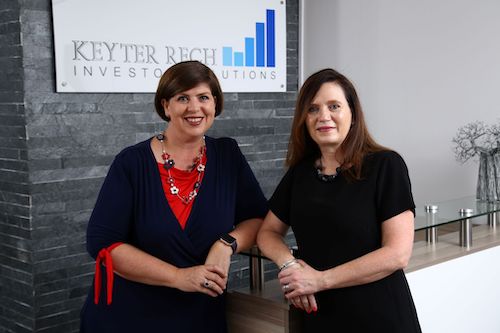
Marlize Keyter and Vanessa Ingram, Keyter Rech Investor Solutions.

ByDesign Communications and Keyter Rech Investor Solutions (KRIS) have formalised a strategic partnership to provide both listed and unlisted companies with integrated and efficient investor relations solutions. The formalised partnership will focus on delivering end-to-end strategic investor communications services.

These include:

– ESG gap analysis and reporting.
– Investment case development.
– Annual General Meeting positioning and Integrated Report writing.
– Shareholder analysis, targeting, and engagement.
– Strategic messaging creation and measurement.

This partnership between the two firms in their respective fields builds on a longstanding collaboration, and is aimed at deepening their services to existing clients and expanding their collective reach across South Africa’s corporate landscape.

With more than two decades of industry expertise between its two founding members, ByDesign brings a highly specialised skillset to the partnership – that of a full-service communications and public relations firm with a track record of partnering with businesses on critical issues and packaging complex messaging into actionable, impactful communications strategies.

With the same degree of combined high-level experience, KRIS has an established reputation for guiding companies through the complexities of investor relations, shareholder engagement, market perception, as well as compliance with various legislation. With its deep understanding of the JSE-listed environment, the firm is known for providing independent investor relations and strategic investor communication services.

‘This partnership is the natural evolution of a relationship that has provided significant value to our clients over the course of many years,’ said Vanessa Baard, Co-founder of ByDesign. ‘KRIS brings precision, insight and credibility in the investor relations space and, together, we offer a unique blend of financial and strategic communications experience and delivery. We believe there is real value in aligning strategy, messaging, and execution across the entire stakeholder landscape, especially in today’s complex, highly regulated environment.’

‘We have always taken a long-term view of our relationships with clients, and that is something we share with ByDesign,’ said Vanessa Ingram, Partner at KRIS. ‘This partnership allows us to combine our skills to help companies connect meaningfully with shareholders, analysts, employees, and other stakeholders. It is about identifying a need, crafting the right message, and making sure it lands with the right audience at the right time.’

Kevin Welman and Vanessa Baard, ByDesign South Africa.

Over the years, the two firms have collaborated on mandates across multiple sectors, supporting their clients with developing compelling investment cases, improving transparency, and building trust with their key stakeholders, among other critical aspects.

‘Our clients do not need more noise; they need clarity, credibility and results. While the two agencies will continue to operate independently, it’s through a combination of skills and experience that this partnership will bring together deep investor relations expertise and strategic communication capability to help businesses navigate high-stakes moments, meet evolving stakeholder expectations, and communicate with purpose,’ concluded Baard.

BYDESIGN
www.bdcomms.co.za

URC Entrenches Itself As A Staple In South African Sports Viewing

URC Entrenches Itself As A Staple In South African Sports Viewing

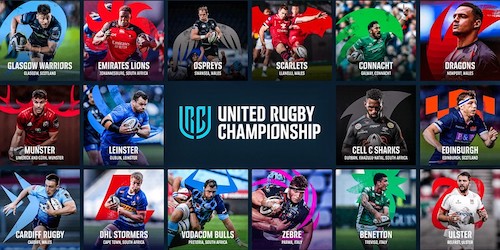
According to official data from Nielsen Sports SA, the total unique audience for the Vodacom United Rugby Championship (URC) season rose from 1.53 million in 2023/2024 to more than 2.4 million in 2024/2025. That marks a 57 percent year-on-year increase, driven by both higher live viewership and a growing number of secondary platform viewers.

This increase was sustained across the season. The average unique audience per live match jumped by 69 percent, from just over 1.2 million to more than 2 million viewers, which are notable figures as they highlight consistent engagement rather than one-off peaks.

While many matches delivered impressive numbers, it was the much-anticipated Bulls vs Sharks semi-final that captivated the nation. The all-South African clash between two iconic franchises resonated across provinces, resulting in one of the highest recorded viewership figures for a URC match in the 2025 season. This fixture powerfully illustrated the commercial and cultural value of local rivalries, which continue to drive the league’s popularity within the country.

Beyond reach, overall consumption time also climbed significantly. The total number of minutes watched, combining live and secondary broadcasts, grew from 18.5 million to nearly 24.8 million: a 34 percent increase. Live consumption rose by 32 percent, while viewing on secondary platforms increased by 42 percent. This reflects broader interest and a significant shift in how and when fans engage with the game across multiple formats.

The season also saw an increase in broadcast exposure, with total airtime rising from 2096 hours to 2255 hours. This expansion, alongside improved scheduling and greater platform accessibility, gave supporters more consistent opportunities to follow their teams throughout the competition.

South Africa’s growing presence in the URC has been a point of pride in the league’s evolution since local teams joined the competition in 2021. As their performance on the field has grown more competitive, so has interest off the field, especially among younger and more digitally engaged audiences.

The growth in secondary audience numbers, which rose from 103,178 to 128,272, reflects this shift and suggests opportunities for even broader audience development in the seasons ahead.

‘The URC is a rapidly growing tradition in SA sports culture,’ said Duncan Stead, Commercial Manager at Nielsen Sports SA. ‘The competition puts South Africa’s regional and national pride on display, all in one place. Combined with strategic scheduling and strong promotion across platforms, the URC has now entrenched itself as a staple in South African sports viewing, which makes it pure gold for participating sponsors and advertisers.’

‘The numbers speak to the emotional investment of South African audiences, who continue to support teams that represent their regions, their histories and their ambitions. From the die-hard Capetonians behind the Stormers to the dedicated Bulls fans dominating Gauteng, there is no doubt that South Africa has taken ownership of URC.’

NIELSEN SPORTS
https://nielsensports.com/

Marketers Should Balance Data With Human Creativity

Marketers Should Balance Data With Human Creativity
Dewald van Niekerk, Mediamark.

In today’s hyper-digital world, consumers are exposed to more content in a single day than previous generations experienced in a lifetime. Marketers, under pressure to demonstrate ROI, often pursue platforms that provide immediate data and ‘vanity metrics.’ However, as AI becomes an increasingly significant factor in both marketing and consumer behaviour, audiences are growing more discerning and skeptical.

‘Trust is the new currency,’ said Dewald Van Niekerk, Business Unit Director at Mediamark. ‘Consumers can spot marketing jargon a mile away, and with AI at their fingertips, they’re quick to research and compare brands. The challenge for marketers is not just to be seen, but to be believed.’

The Solution: Balancing Data With Human Creativity

Van Niekerk believes that while AI is a powerful tool for targeting and measurement, it cannot replace the authenticity and emotional intelligence of human storytelling. ‘AI should be a collaborator, not a replacement. The most effective campaigns are those that combine data-driven insights with genuine, relatable messaging.’

He offers these guiding principles for marketers and sales leaders:

Choose platforms built on trust: whether it’s digital, print, broadcast, or radio, the medium matters less than the relationship it has with its audience. Trusted platforms foster deeper engagement and loyalty. Radio remains one of the most trusted media environments, especially at the local level. Listeners form personal relationships with on-air personalities and tune in habitually, making radio a powerful platform for brands to build consistent, credible messaging through compelling storytelling. Knowing what you’ll measure and aligning ad messages with real business challenges, such as moving stock, promoting a new location, or building awareness in a niche market, can make radio campaigns not only relatable but also results-driven.

Be patient: brand Building takes time: in a world of instant gratification, it’s tempting to pivot strategies based on short-term data. However, real brand equity is built through consistent and authentic messaging over time.

Let data guide, not dictate: use AI and analytics to inform decisions, but don’t lose sight of human intuition. Marketers should trust their gut as much as the numbers.

Authenticity wins: audiences today are savvy. They value brands that speak honestly and avoid overused buzzwords.

As the marketing industry leans further into AI, Van Niekerk urges brands to relearn the value of trust and patience. ‘The platforms you choose, the stories you tell, and the consistency of your message all contribute to long-term ROI. Technology is a tool, but trust is the foundation.’

MEDIAMARK
www.mediamark.co.za

What Makes Influencer Marketing Valuable?

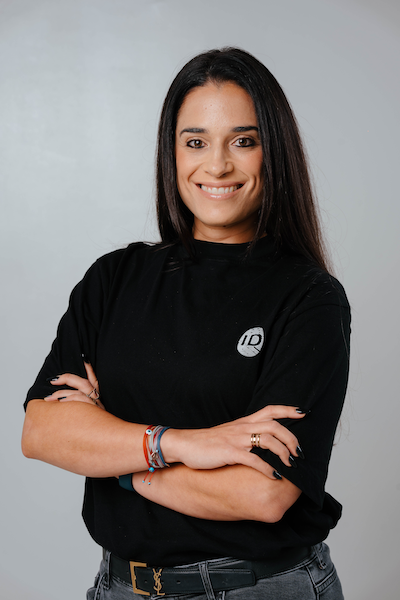
Tami Ruschin, Style ID Africa.

In the ever-evolving marketing landscape, few channels have sparked as much hype, and scrutiny, as influencer marketing. The Nedbank IMC interviewed Tami Ruschin, Founder and Director at Style ID Africa, a bespoke influencer agency and Nedbank IMC partner, to get her industry insights on this tricky but critical marketing channel.

1. What Makes Influencer Marketing Valuable?

Influencer marketing can be an incredibly powerful brand-building tool for a number of reasons. For one, consumers today trust people more than ads. Influencers, especially those with authentic followings, offer brands a direct line to credibility and relatability.

It also enables brands to target niche communities with hyper-personalised messaging at scale, thanks to the vast array of creators across every interest area who have a deep understanding of their audiences and can drive high engagement rates. Partnering with the right influencers gives brands a way to stay culturally relevant and resonant by tapping into real-time conversations and dynamic trends.

2. What About The Liabilities?

Influencer marketing can be a double-edged sword – damaging brand reputation and proving costly if not executed carefully.

One of the biggest challenges is the prevalence of vanity metrics and fake influence, where follower counts can be artificially inflated and engagement can be faked. Without proper vetting, brands can end up wasting thousands on creators who don’t deliver tangible results.

Brand misalignment is another key issue to deal with, where an influencer’s content, tone, or values clash with the brand. The disconnect can be jarring and the fall out fast, furious and very public.

Lastly, many influencer campaigns suffer from short-term thinking, focusing on fleeting bursts of awareness without a long-term strategy or real measurement framework, which can jeopardise marketing effectiveness and the all important ROI.

3. How Has Style ID Africa Responded To These Challenges?

As a team that aims to understand both creators and brands, we know that influencer marketing is more than a media buy, it’s a creative process emanating from research, context and cultural intelligence. Brands are strategic partners, not just clients, and creators are collaborators, not just content vending machines.

Style ID Africa uses in-depth follower analysis, audience demographic insights, and engagement quality audits to match brands with creators who genuinely influence their communities. The agency focuses on relationship-led models that create space for deeper storytelling and real advocacy. The goal is to treat content as an asset, not an afterthough, maximising long term ROI across all channels.

4. The Verdict On Influencer Marketing?

As influencer marketing evolves so must the approach. We have learnt over the years that this type of marketing is incredibly powerful when driven by strategy that is precise, purposeful and measurable. Handled carelessly though, it can quickly become a liability.

According to Dale Hefer, CEO of the IMC, ‘The challenge for marketers will always be how to make this channel more asset and less liability. When done right, it’s a game-changer, driving growth and authentic connections with niche audiences. A sentiment echoed in the ‘Marketing is Business®’ mantra of the Nedbank IMC, where finding the right approach to influencer marketing is key to delivering results that matter.’

At the conference, on the 18th September, Style ID Africa will spearhead this conversation through live podcast interviews with selected speakers and industry leaders. Leroy Marc, host of Style ID Africa’s Business of Influence podcast and acclaimed local radio and TV personality, will lead these insightful discussions. Modern Marketing is a proud media partner of the Nedbank IMC.

Attend in-person or online. Venue: Mosaiek Teatro. 1 Danielle Street, Fairland, 2030. Early bird phases sold out. In-person tickets priced at R4000 (excl. VAT). Limited seats available. No allocated seating. Virtual tickets priced at R950 (excl. VAT). Book now.

NEDBANK IMC CONFERENCE
www.imcconference.com

Judges For The 2025 Shopper Marketing Awards Announced

Judges For The 2025 Shopper Marketing Awards Announced

Shop! South Africa is proud to confirm an esteemed panel of judges for the 2025 Shopper Marketing Awards, now in its third year. As South Africa’s trade association dedicated to enhancing shopper and retail environments, Shop! SA is committed to driving excellence, collaboration, and innovation across the shopper marketing value chain.

Di Wilson, founder and MD of Shop! SA, said: ‘These awards aren’t just about in-store displays. They’re about strategic shopper thinking and integrated campaigns that deliver real impact. They celebrate brands that view the world through a shopper lens and drive measurable bottom-line results. Having this panel brings gravitas, insight, and credibility to the judging process, and inspires the entire industry to push the boundaries.’

Judges Share Why This Matters

Joss Myers of Barrows Global reflected on the platform’s impact: ‘SHOP! SA gives industry leaders the stage to shine. As a judge, I get to explore the exceptional work shaping retail experiences across South Africa.’

Helen McDougall at Woodlands Dairy added: ‘These awards celebrate creativity and effectiveness. By judging, I can recognise standout initiatives and help elevate our industry’s standards.’

Bev Anderson from Heineken SA described her excitement: ‘I love seeing creative point-of-sale up close. Judging gives me insight into the thinking behind retail innovation.’

Wendy van Zyl of Libstar highlighted the broader impact: ‘SHOP! SA understands the unique dynamics of our market. It sets contextually relevant benchmarks and helps develop emerging talent.’

Nana Lloyd of Nativa shared a similar passion: ‘Shop! SA fills a vital gap in the awards landscape by recognising the exact moment that matters most in shopper marketing: the moment of truth at shelf. Judging is a privilege. It gives me a front-row seat to what’s working in our industry and the chance to shine a light on campaigns that truly deliver.’

Francois Jurgens of Nestlé SA pointed out the value of process: ‘Watching best-practice in action drives category growth and strengthens retailer-brand execution.’

Siobhan O’Sullivan from Premier FMCG emphasised commercial impact: ‘Great shopper marketing campaigns need to deliver both emotional connection and business results. Judging reminds us of that balance.’

Event And Entry Details

The 2025 Awards ceremony will take place on 11 November at Bryanston Country Club. Entries close on 31 July. Enter here.

The face to face judging will be held on the 15th of September at the Cape Town Marriott Hotel, Century City. The nominees will be announced on the 16th during the inaugural Shop! SA conference, ‘Concept to Conversion’, designed to facilitate deeper learning and networking.

Shop! SA celebrates every link in the shopper marketing chain from concept to campaign delivery, and every participant in the industry from brand manufacturers to retailers, creative agencies and production houses. The awards offer an opportunity to showcase a brand’s strengths while learning from and connecting with peers.

Wilson concluded, ‘These judges bring expertise, energy and integrity to the awards, and Shop! SA is both grateful and proud to have them on board. Their involvement confirms that our Awards aren’t just trophies; they certify real impact and results. We encourage every corner of the industry to enter.’

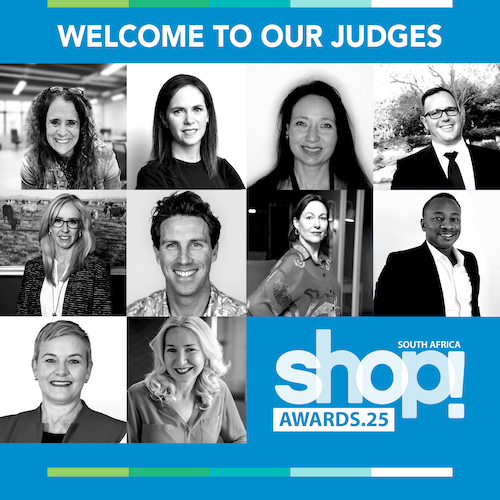
2025 SHOP! SA Awards Judging Panel

– Bev Anderson, Channel Lead, Off-Premise Retail, Heineken SA.
– Diana Williams, Head of Category & Customer Marketing, Haleon SA.
– Helen McDougall, CEO, Woodlands Dairy SA.
– Joss Myers, MD, Barrows Global.
– Tshiamo Tladi, Marketing Director, Hyundai SA.
– Nana Lloyd, Marketing Director, Nativa.
– Wendy van Zyl, Category & Customer Executive, Libstar.
– Tanja Korte, MD, Rainmaker Marketing.
– Francois Jurgens, Commercial Director, Nestlé SA.
– Siobhan O’Sullivan, Managing Executive HPC – Group Strategy and Marketing, Premier FMCG.

SHOP! SOUTH AFRICA AWARDS
https://www.shopassociation.africa/

How To Future-Proof Yourself For Your PR Career

How To Future-Proof Yourself For Your PR Career

Caroline Smith, head of PR at Flow Communications, recently gave a talk to a cohort of University of Johannesburg public relations students. Smith says the job market of the future isn’t knocking politely and waiting at the door. It’s already bursting in, flinging open the windows and rearranging the furniture.

The students I was talking to (especially the soon-to-be-graduates) are stepping into an industry that has changed enormously since I first started my career.

I’ve seen media releases getting replaced by social media posts. I’m living the shift to TikTok trend-watching heavily influencing communications strategies. Artificial intelligence tools such as ChatGPT and Midjourney are the new office interns: getting trained to generate content, analyse sentiment, spark creative direction and support campaign planning in a matter of minutes (or even seconds).

This is the new normal. When I first started in PR, we delivered printed media releases to the desks of journalists via courier and then came fax machines, which were a game changer. I can’t predict what the future will hold for these young, eager and with-it minds.

But I did have some things to say to them, which I thought would be unchanging and useful advice. So, here are four constant pillars that can always help you as a young person, whether you’re still studying or about to step into your first job.

1. Show Up Like A Pro

Professional readiness isn’t about waiting until you get your first job. If you want to stand out, start acting like a professional as of this second. Join an industry body such as the Public Relations Institute of Southern Africa and plug into networking opportunities.

Build a digital portfolio that shows what you’re learning and doing. Create it using Google Drive, Canva, Wix, LinkedIn or whatever else that works for you. Have a portfolio that said, ‘I’m ready to talk shop’ before you even step into your first job.

How you present yourself matters. From emails to Zoom calls, show up like you mean business.

2. Learn By Doing


Regarding my first point above, yes, I didn’t give you a step-by-step guide on what exactly to do with Google Drive, Canva and Wix – and that’s on purpose. The fastest way to grow is to do.

Theoretical knowledge is great, but in the world of work, you would be helping yourself (and us as mentors) if you can start building a foundation of experience that your future employer can add to.

If you’re interested in joining a digital marketing business, create something by yourself. Post something. Try something proactively. Then ask for feedback and actually use it. If it’s public relations that you’re passionate about, find five PR or communications professionals on LinkedIn that you want to follow and learn from what they’re sharing. Reflect on what you see working for them, what doesn’t and what you might do differently. Every project you take on is a step forward.

3. Be Someone People Want To Work With

You can be a Canva wizard or write copy that sings, but if you’re rude, unreliable or resistant to collaboration, you’re going to struggle.

Emotional intelligence, good communication skills and the ability to work on a team are some of the attributes that turn interns into indispensable team members. You have to learn to listen, take initiative and bring your youthful ideas to the table. Being easy to work with can take you far in your career.

4. Keep Learning, Always

Thanks to technology, changes in today’s world of work come our way faster than a 5G connection. Tools such as ChatGPT are rapidly changing the rules of the game, but your responsibility as the future of your chosen profession is to learn how to use them.

Don’t fear AI. You have to learn to adapt to it, but be careful not to follow it blindly either. No matter how impressive the tools, they’re only as effective as the thinking behind them.

As a future professional, you must also develop the ability to analyse, question and find the ‘why’ behind every message you’re helping a client share. Tools can support you, but your knowledge about your target audience (from one human to another) is what truly adds value.

Make sure that you balance the speed of tech with the timelessness of showing up like a professional, making connections, listening to learn and staying curious.

FLOW COMMUNICATIONS
https://www.flowsa.com/

This is Modern Marketing