Home Blog Page 85

AI Is Paving The Way For A More Impactful Era In Public Relations

Nadia Hearn, founder of Get Published.
Nadia Hearn, Get Published.

Routine tasks like social media scheduling, press and media list research, generating PR reports, and media tracking are being optimised with AI, giving PR professionals more time to do what they do best: build powerful stories and meaningful connections.

Beyond operational efficiency, this technology is a powerful catalyst for creativity. Generative tools now assist with various creative tasks, from streamlining design and accelerating brainstorming to creating engaging social media updates and generating innovative campaign concepts.

AI is no longer a ‘what if’ – it’s a ‘what now’ for PR professionals. From media monitoring to content creation and campaign strategy, Artificial Intelligence (AI) is fundamentally reshaping the way PR agencies operate—streamlining tasks, unlocking smarter insights, and transforming how stories are told and shared.

‘AI’s ability to handle repetitive tasks is a game-changer for the PR industry,’ said Get Published founder Nadia Hearn. ‘By automating these time-consuming activities, AI frees us up to focus on higher-level strategy, strengthen client relationships, and drive real business results.’

Leveraging AI’s analytical capabilities to identify trends can also provide valuable inspiration, leading to fresh and impactful communication strategies.

‘We’re seeing AI as an invaluable partner in the creative process,’ noted Hearn. ‘It helps us overcome creative blocks, explore new angles for storytelling, and save us time on following news trends, so we can tailor our content for maximum impact across different audiences.’

AI-powered media monitoring and analysis tools can sift through vast amounts of online data in real time, providing crucial insights into brand perception and identifying emerging trends. Sentiment analysis further allows PR teams to gauge public reaction to campaigns and address potential issues proactively. Understanding audience preferences enables more targeted and ultimately more effective personalised communication.

While adopting AI in PR presents significant opportunities, it is also essential to emphasise the importance of ethical considerations. Transparency in the use of AI and the need for human oversight to ensure accuracy and maintain trust are crucial. Fact-checking AI-generated content and adhering to ethical communication principles remain paramount for PR professionals today.

The collaborative synergy between human expertise and the power of AI will be increasingly important for the success of public relations in the future. By embracing AI strategically and responsibly, PR professionals can enhance efficiency, amplify their creativity, and forge stronger, more meaningful connections with their target audiences.

This transformative technology is not replacing human ingenuity but rather augmenting it, paving the way for a more dynamic and impactful era in public relations.

GET PUBLISHED
https://www.get-published.co.za

Combining The Strengths Of Agentic AI And Human Expertise

Combining The Strengths Of Agentic AI And Human Expertise
Stef Adonis, Helm.

Ari Ramkilowan, Head of Machine Learning, and Stef Adonis, Head of Marketing, at Helm, state that Agentic AI covers quite a diverse range, spanning from simple chatbots to the vision of fully autonomous systems that can act, reason, and take initiative. While the current hype often overshadows practical discussions, there is undeniable potential for rapid advancements in this field.

Artificial Intelligence is in a strange spot. With the explosion of AI tools and applications, we find ourselves teetering between two inseparable yet intertwined paths – the promise of extraordinary capability, and the peril of unmitigated risk. This precarious balance gives rise to the question: Are we building something truly enduring, or are we rushing ahead on unstable foundations, building castles on quicksand?

Agentic AI systems go well beyond mere button-based conversational interfaces, offering tools that integrate into complex enterprise operations. While the appeal is undeniable, a leap of this magnitude toward fully autonomous systems in enterprise-level applications could lead to unforeseen risks. While the threat of these risks remains a reality, we should instead be focusing on human-led Agentic AI – a level where intelligent tools enhance operations while ensuring human oversight.

AGENTIC AI: ARE WE BUILDING CASTLES ON QUICKSAND?
Ari Ramkilowan, Helm.

The key distinction lies in initiative, and the ability to plan. For example, an LLM is like an incredibly well-read librarian who can instantly recall and synthesise vast amounts of information from books. Ask this librarian a question, and they’ll provide a comprehensive, eloquent response drawing from their extensive knowledge, or the wealth of information at their disposal. If prompted, and asked really nicely, they might even respond as a pirate. They’re exceptional at retrieving and combining information, but they always wait for your specific query.

An agentic application, on the other hand, is like that same librarian, but instead of simply answering your question, they take it a step further by showing some initiative. They might have said, ‘Based on what you’re asking, I think you might also want to explore these related topics. I’ll go ahead and pull some additional resources, draft a preliminary research summary, and even reach out to some subject matter experts who might provide deeper insights.’

The agentic application introduces a layer of goal-oriented behaviour, breaking down complex tasks into sub-tasks, making decisions, and taking actions beyond mere information retrieval. It has the capacity to perceive an environment and take purposeful actions toward a specific goal rather than following a specific query or a predetermined sequence of events.

This holistic approach underlines its superiority to rigid, workflow-based tools that falter in handling edge cases. While the journey toward fully autonomous agentic systems may still be on the horizon, enterprises are beginning to invest in the technology. The interest lies in faster iteration and broader scope, where agentic systems introduce flexibility without replacing existing workflows.

However, the promise of agentic AI comes with a great deal of risk, especially for businesses – misalignment of goals, unpredictable behaviour, loss of human oversight, amplification of bias, and security risks – all of which demand careful navigation.

So, we must ask ourselves not whether we can build this, but should we build this. There is a path forward that is more of a hybrid model – one that lies between structured processes and autonomous agents. This will give us the efficiency of agentic AI and the security of human involvement.

The allure of agentic AI is immense, but so are the responsibilities that come with it. Oversight, accountability, and ethical alignment must serve as the foundation of our innovation. These systems should enable autonomy within controlled parameters, minimising risks while maximising potential.

As we look ahead, human-led Agentic AI may just emerge as the ‘sweet spot’ – a balanced middle ground where technology supports rather than replaces human expertise. The evolution of agentic AI is not just about technology; it’s about deliberate and thoughtful integration. While the idea of fully autonomous systems tempts us with the promise of efficiency and innovation, it also demands vigilance. Building robust AI systems isn’t about surrendering control but exercising it wisely.

So we don’t need to build those castles on quicksand after all. We have the power to create a much firmer middle ground that combines the strengths of agentic AI and human expertise.

HELM
www.helm.africa

Four Big Trends Shaping PR

The warp speed reality of public relations Better keep up

Allison MacDonald, senior account director and strategist at Flow Communications, says clinging to press releases like a life raft is a bad idea. Because that particular life raft is full of holes and is barely staying afloat in stormy seas. People want engagement and personality. So, silence the voice of the man in a grey suit, and start delivering content that echoes the people you want to reach.

Public relations is moving at a speed that makes the Gautrain look sluggish. The old-school ways are dying faster than my New Year’s resolutions, and emerging trends are whizzing past at warp speed, fuelled by tech, trust issues, and TikTok. At Flow Communications, we see these shifts firsthand and we know that staying ahead of them is sorting the PR greats from the PR also-rans.

If your idea of PR is just to ‘get in the news,’ congratulations, you’ve time-travelled back to 2005. Relying solely on editorial placement is like bringing a ballpoint pen to a keyboard fight. It’s still useful, but it’s not enough. PR today means making the most of owned platforms (yes, social and homepage, we’re looking at you), SEO and strategies that deliver engagement.

Please stop worrying about AI. It’s not coming for your job. But if you’re ignoring it, you (and your clients) are missing out big time. Clever PR peeps use AI for split-second access to insights, competitor analysis, and market research. These things make writing strategy and content less of a shot in the dark and more of a bull’s eye.

While it’s impossible to say how things may change day to day, the four big trends shaping professional communications right now are:

The Trust Deficit

People believe their friends, influencers and that oke on LinkedIn who sounds confident (even when he’s totally making it up). Institutions, brands, and businesses, on the other hand, are in trust freefall. Sussed PR teams are making the most of influencers, user-generated content, and word-of-mouth referrals.

The Multi-Headed Monster Of AI

For all its benefits and the ways in which it serves us, AI is also spreading misinformation left, right, and centre. It’s a pothole-strewn, triffid-lined AI path that many brands tread. Don’t believe me? Go Google how Mark Read, CEO at WPP (the world’s biggest ad firm), fell foul of a deepfake scam last year. Only one thing to do, friends: make sure your teams and clients are able to spot an AI scam at 100 paces. Good, old-fashioned crisis communication skills have never been more relevant than now.

The Tech Takeover

Video, audio, and short, snappy messages rule the engagement game. To stay relevant, PR pros need to work closer than ever with digital and social teams. We also need to cozy up to clever, brand-sussed designers.

Social Shuffles

Twitter (X, these days) is not doing great. LinkedIn is growing. TikTok and Instagram are thriving. Facebook continues to shoot the lights out. Keep up or get left behind.

Clients benefit from campaigns that are personable, empathetic, and real. These are brands that build connections; put employee advocacy on steroids; are bringing back in-person events (because we’re all heartily sick of virtual meetings and events); and know that ethics and social responsibility are no longer optional.

And finally, despite all the talk about tech, platforms, messaging, strategy and intelligence (artificial or otherwise), PR is still, and always will be, about people: squishy, organic, emotional beings like you and me. It’s all about the feels. Always has been. Always will be.

FLOW COMMUNICATIONS
https://www.flowsa.com/

Nedbank IMC Welcomes BBC’s First Chief Brand Officer As Keynote Speaker

Charl Bassil, BBC
Charl Bassil, BBC.

BBC’s first ever Chief Brand Officer, Charl Bassil, will present an in-person keynote at Nedbank IMC. Unforgettable moments and fond memories are what iconic brands are all about, but what does this mean for the current generation? Reconciling legacy with a demanding, tech-savvy and sophisticated audience is tricky. Even more so when the playing fields are changing at pace, and competitors are rushing in off the sidelines.

This is true for iconic brands globally, and our South African greats like Nando’s, Castle Lager, MTN and Nedbank, to name but a few, are likewise having to interrogate how best to change with the times while still being true to their core.

It’s a challenge that Bassil is so adept at tackling. This seasoned expert’s vision for one of the world’s most iconic institutions is to strategically re-imagine and strengthen the BBC brand in an ever-changing environment.

Flying in from London to present exclusively at the conference on the 18th September, Bassil’s career journey started with one of SA’s own iconic brands, Castle Lager (SABMiller). He has over two decades of experience in helping nurture brands in the FMCG and beverage sectors. As the former CMO and Global Vice President of Marketing at Absolut Vodka, Bassil’s ability to see the bigger picture and bring people together resulted in a more purpose-driven, engaging and inclusive brand.

‘It’s really about unpacking how these brands can best change with the times to remain relevant, authentic and deliver on results that matter, while still maintaining their true North, their fundamental brand values that made them iconic in the first place,’ explained Bassil.

This is not a quick fix – it requires challenging existing mindsets, evolving leadership roles, embracing change and maintaining meaningful consumer connections. But with the right tools and strategies you can drive the business case for your re-imagined strategy – cultivating brands for their real impact and value in the long-term rather than focusing on short-term gains.

‘We are delighted to welcome Bassil to the Nedbank IMC stage this year,’ said Dale Hefer, CEO of the IMC. ‘With his exceptional skill in transforming iconic brands, Bassil’s keynote address promises to be an unforgettable highlight of the conference.’

Modern Marketing is a proud media partner of the Nedbank IMC. Attend in-person or online. Venue: Mosaiek Teatro. 1 Danielle Street, Fairland, 2030. In-person tickets are priced at R3500 (excl. VAT). Limited seats available. Virtual tickets are priced at R950 (excl. VAT). Book now.

NEDBANK IMC CONFERENCE
www.imcconference.com

Strategy Is The Invisible Force That Drives Success In Advertising

Strategy Is The Invisible Force That Drives Success In Advertising
Tumi Rabanye, Leagas Delaney South Africa.

Tumi Rabanye, Managing Partner, Strategy, at Leagas Delaney South Africa, says strategy in advertising is like a nerve: invisible but essential. Strategy is often overlooked because it operates behind the scenes. Yet, much like the human nervous system, it plays a critical role in ensuring everything functions smoothly. The nervous system transmits signals that enable movement, sensation, and reflexes, keeping the body in sync and responsive.

Similarly, advertising strategy coordinates messaging, audience engagement, and brand positioning, ensuring that each campaign element works harmoniously toward a unified goal. This metaphor highlights the essential, though invisible, nature of strategy, for without it, the entire advertising effort risks dysfunction and inefficiency.

Across the interconnected disciplines of advertising, strategy functions much like a nerve in the human body — unseen yet vital. Just as nerves transmit signals that coordinate movement, sensation, and reflexes, advertising strategy operates behind the scenes, shaping messaging, audience targeting, and brand positioning. Consumers may not consciously recognise the presence of strategy, but they feel its impact through cohesive, compelling brand narratives that engage and persuade. Strategy in advertising… it’s the invisible force that drives success.

The Hidden Power of Strategy in Advertising

Successful brands understand that creativity alone is not enough. While visually stunning campaigns capture attention, it is strategic intent that transforms creativity into meaningful impact. Every element of a campaign, its visuals, copy, tone, and media placement, must align with a larger purpose. Without strategy, advertising risks becoming a collection of disconnected ideas rather than a cohesive, results-driven effort.

Strategic Alignment: The Key To Advertising Success

Even the most innovative and visually striking advertisements can fail if they lack strategic alignment. A well-designed campaign must integrate brand strategy, media planning, and execution to maximise impact. Without this, brands risk wasted resources, diluted messaging, and missed opportunities.

When strategy is neglected, advertising efforts can become fragmented, much like a body experiencing nervous system failure. Messages become inconsistent, consumer connections weaken, and campaigns fail to deliver results. Strategic intent ensures that every advertisement serves a clear purpose, creating stronger relationships between brands and their audiences.

Strategy As The Nervous System Of Advertising

The human nervous system essentially serves as a communication network, transmitting signals that control everything from voluntary movements to subconscious reflexes. Similarly, strategic planning in advertising provides a framework that guides creative direction, audience engagement, and campaign execution. Although it may operate behind the scenes, the strategy’s effects are anything but subtle: it quietly shapes the consumer experience.

A well-executed advertising strategy ensures that every touchpoint aligns with the company’s core values and objectives. From social media ads to television commercials, consistency in messaging strengthens brand identity and reinforces consumer trust. Without this foundational structure, advertising can become erratic and ineffective.

The Tireless Work Of Strategy In Advertising

To an outsider, an advertising campaign might appear to be a simple mix of striking visuals and catchy slogans. However, beneath the surface, strategy is working tirelessly to ensure that every element serves a specific function. Here’s a behind-the-scenes overview of strategy at work:

1. Guiding Decision-Making

Strategy is the central nervous system in your marketing mix. Every business has objectives, whether it’s increasing brand awareness, boosting sales, or cementing customer loyalty. Strategy acts as a guiding force, ensuring that all creative efforts align with these goals while providing a framework for measuring success.

2. Ensuring Consistency

Strong brands don’t build recognition overnight. Strategic planning ensures consistency in messaging, tone, and visual identity across multiple campaigns and platforms. Inconsistency can confuse audiences and weaken a brand’s overall impact.

3. Enhancing Audience Connection

The most memorable advertising campaigns resonate on a deeper level. This is not a matter of luck but rather the result of carefully crafted strategies that consider consumer psychology, market trends, and behavioural insights. Strategy ensures that advertising speaks directly to the audience’s needs, emotions, and aspirations.

The Cost Of Ignoring Strategy

Without a strong strategic foundation, advertising campaigns are prone to common pitfalls that can severely undermine their effectiveness:

1. Lack Of Competitive Edge

Brands without a clear strategic direction struggle to differentiate themselves. Without a strong positioning strategy, they risk blending into the background rather than standing out in a crowded and noisy market.

2. Disjointed Messaging

Inconsistent messaging can confuse consumers, making it difficult to understand what a brand stands for. A lack of strategic clarity leads to mixed signals that weaken brand perception.

3. Customer Disengagement

Consumers are exposed to thousands of advertisements daily. Without a strategic approach, ads risk being ignored, forgotten, or dismissed as irrelevant noise.

4. Wasted Budget

A campaign without a well-defined strategy can result in misallocated spending; whether on ineffective channels, irrelevant audiences, or weak messaging, leading to poor return on investment.

Strategy Is the Lifeline of Advertising

Just as the human body cannot function without a nervous system, advertising cannot succeed without strategic discipline. A strong strategy ensures that every element of an advertising campaign works cohesively to achieve measurable outcomes.

Brands that invest in strategic planning benefit from stronger market positioning, deeper audience engagement, and higher returns on investment. Those that neglect strategy risk producing forgettable and ineffective work. In a competitive marketplace where brands are constantly vying for attention, strategy is the nerve that keeps advertising efforts alive, dynamic, and impactful.

LEAGAS DELANEY
https://www.leagasdelaney.co.za

RMB Announces New Brand Campaign

RMB Announces New Brand Campaign

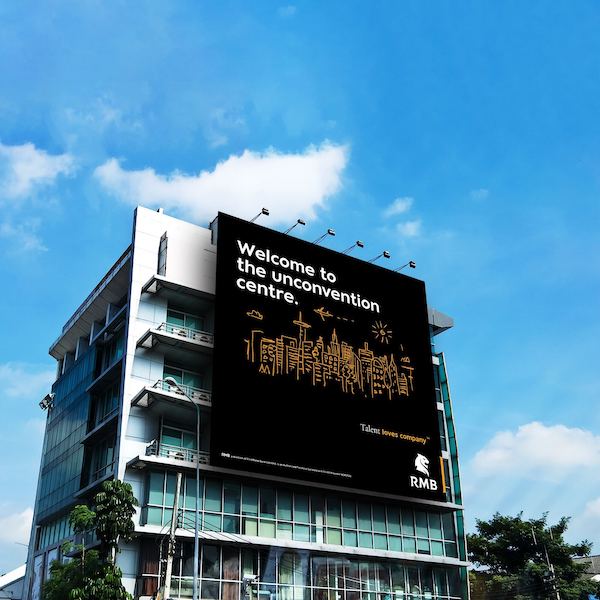
RMB’s new brand campaign, ‘Ideas Love Company’ showcases the creatively resilient spirit that the talent-brand is known for. RMB prides itself on investing in, and nurturing creative talent across the arts, through platforms such as RMB Latitudes Art Fair and RMB Starlight Classics. This campaign expressly embraces art, featuring curated sketches instead of settling for the category convention of stock imagery.

‘We wanted a creative idea that is authentic to who we are. As unconventional thinkers, producing distinctive work that stands out and resonates is key,’ explained Alison Badenhorst, Chief Marketing Officer. ‘Our refreshed campaign is confident yet charming and cerebral yet accessible. It talks directly to the robust diversity of our deep talent pool, and the curious and optimistic appetite of our people to empower possibility. It underpins RMB’s philosophy that ideas and solutions are best executed with our clients in trusted partnerships.’

‘While RMB’s talented people are the heart of the business offering, our clients are our vital pulse. The campaign’s lightheartedness appeals to an ‘intelligent smile’, encouraging viewers to pause and think through the layered messaging.’

Creative agency Halo was brought in as a strategic partner, chosen for their deep brand expertise and ability to craft a creative solution that amplifies RMB’s optimistic spirit and sets the brand apart in the financial space. ‘RMB has always done things differently. They have a long history of supporting the arts and investing deeply in creativity. This campaign is an opportunity to bring that legacy into the work itself, not just celebrate it from the sidelines,’ said Dean Oelschig, Managing Partner of Halo.

Halo employed the talent of artist Koos Groenewald, whose illustrative style makes thinking visible, turning ideas into something tangible – bold, expressive, and human, reflecting how RMB sees the world. Through various mediums and messaging, it conveys the passion, magic, and essence of RMB and the people that make them who they are. ‘As the campaign rolls out, the many creative thought-starters will unpack the layers of complexity and play on words that speak volumes about how RMB values both its people and its clients,’ said Oelschig.

‘This campaign aims to drive long-term brand equity and sustained business growth. Our people bring a strong diversity of viewpoints and skillsets to the table. When unconventional thinkers have ideas, the right environment and the tenacity to bring those possibilities to life, success and positivity can be shared,’ concluded Badenhorst.

RMB
https://www.rmb.co.za

Enter The Bookmark Awards 2025

Enter The Bookmark Awards 2025

With the submission deadline fast approaching, the Interactive Advertising Bureau (IAB) South Africa calls upon creative agencies, businesses, and individual digital marketers to enter their most innovative and cutting-edge work into The Bookmark Awards for a chance to achieve industry-wide recognition. This is an unmissable opportunity to showcase campaigns, strategies, and projects that are redefining the digital marketing landscape.

‘We are excited to see the innovative entries that encapsulate the brilliance and creativity at the forefront of our industry. This final call is a reminder for all digital marketers to showcase the best of their talent,’ said Elizabeth Mokwena, Jury President of The Bookmark Awards.

The deadline for entries is 16 April 2025. The entry categories include Platforms, Communities, Channels, Publishing, Emerging Digital Technologies and Channels, Campaign, Craft Awards and Special Honours.

Winning an award not only offers industry recognition and prestige but will highlight an entity’s commitment to excellence in digital marketing. Past winners have experienced significant benefits, including enhanced reputation, new business opportunities, and increased client trust.

Participants can submit their entries through The Bookmarks 2025 website https://thebookmarks.iabsa.net and review the comprehensive guidelines, rules and FAQs for submissions.

Finalists will be announced early July, followed by an eminent awards ceremony on the 14th of August, where the brightest minds in digital innovation and excellence will be celebrated.

BOOKMARK AWARDS
https://thebookmarks.iabsa.net

OneDayOnly’s Campaign Turns April Fool’s Joke Into A Force For Good

OneDayOnlys Campaign Turns April Fools Joke Into A Force For Good

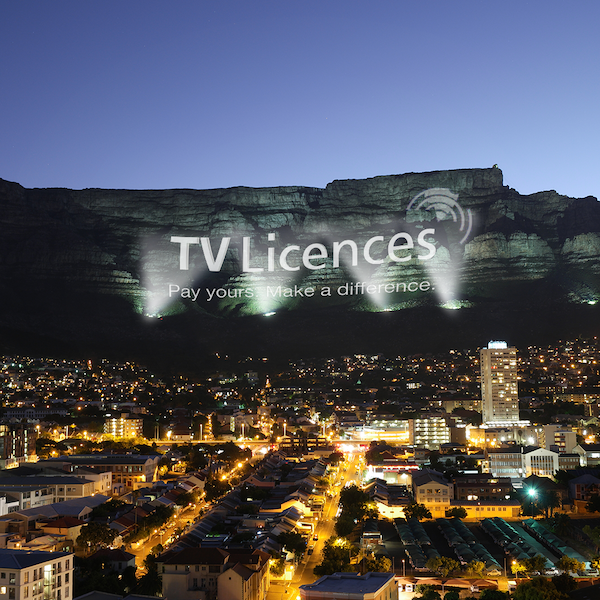
On 1 April, South Africans looking for a once-in-a-lifetime advertising opportunity were met with an unexpected offer on OneDayOnly.co.za – ad space for sale on the side of Table Mountain. Instead of securing a prime spot on one of the world’s most iconic landmarks, they were greeted with an ‘April Fool’s!’ message, along with a serious reminder about the urgent need to protect the country’s natural heritage.

More than just a prank, the campaign was designed to highlight the importance of keeping Table Mountain free from commercial exploitation while rallying public support for its conservation. As part of the initiative, visitors to the daily deals site were given an option to donate funds to the City of Cape Town Fire and Rescue Service, which works tirelessly to protect Table Mountain from devastating fires.

‘The idea behind the stunt was to engage South Africans in a fun and unexpected way while driving home a serious message about conservation. Table Mountain is not for sale, and it never should be. We wanted to spark conversation about the need to protect our natural landmarks and to give back to those who help safeguard them,’ said OneDayOnly.co.za spokesperson Jonathan Spencer.

He explained that the awareness push highlighted the urgent need for fire mitigation efforts. ‘With 92 fires recorded in the Table Mountain National Park (TMNP) over the 2024/25 financial year, this is an indication of the escalating fire threats facing South Africa’s coastal national parks. Worsened by climate change, these fires endanger biodiversity and eco-tourism, both of which are reliant on protected landscapes.’

‘Beyond the immediate danger of wildfires, the campaign also brought attention to another, often-overlooked environmental issue: unregulated outdoor advertising,’ noted Spencer. ‘If not properly managed, these displays contribute to light pollution, disrupt wildlife, and diminish the natural beauty of protected areas.’

The hoax garnered 14,199 views on the site, 94,991 views on social media, and 1,959 clicks through the company’s daily deals newsletter. On Instagram, one serious user cautioned, ‘Let’s not turn Table Mountain into a billboard though…’ while another reflected, ‘I need to be outside more’.

All funds raised will go towards essential resources, equipment, and training for those on the frontlines protecting Table Mountain. Firefighting operations rely on a coordinated effort, combining ground crews, fire tankers, and trucks, with helicopters and water bombers called in for more severe outbreaks – all of which demand funding.

‘Table Mountain is one of South Africa’s most treasured natural wonders, attracting millions of visitors each year. However, it faces increasing threats from human activity, climate change, and wildfires. The success of this campaign proves that when presented in an engaging way, awareness initiatives can make a real impact,’ shared Spencer.

‘OneDayOnly.co.za is proud to have turned an April Fool’s joke into a force for good,’ he concluded. ‘By using humour to grab people’s attention, we raised awareness and funds for issues that impact our natural heritage.’

ONEDAYONLY
www.onedayonly.co.za

Polygon’s New Solution Allows Brands To Take Over The City During Major Events

Polygons New Solution Allows Brands To Take Over The City During Major Events

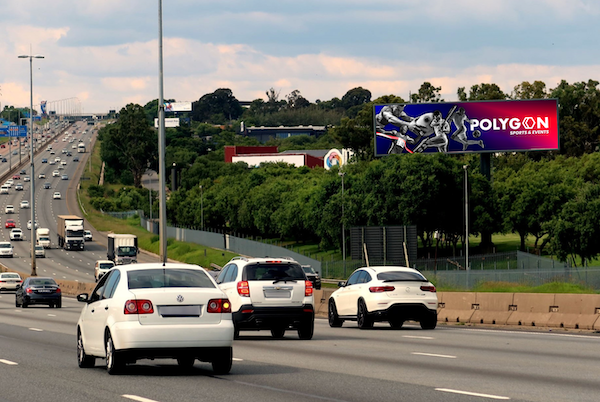
Urban Takeovers enables advertisers to leverage the continent’s largest network of DOOH inventory, which includes thousands of digital screens across malls, forecourts, lifestyle venues and roadways to create an immersive, city-wide presence linked to high-profile events, such as the Cape Town Jazz Festival, Two Oceans Marathon, music festivals and more.

Said Remi du Preez, Managing Director at Polygon: ‘Events provide an exciting opportunity for brands to establish emotional connections with their audiences. Urban Takeovers is a ‘takeover tactic’ that allows DOOH campaigns to be built around ‘hotspots’ – areas that become abuzz with people during a specific period or event, whether it be a large or smaller, regional event.

Polygon’s sports and events division is led by Fearne Gilson, who brings significant experience in the sports marketing field and has an in-depth understanding into the mindset of sporting event-focused audiences.

Said Gilson, “’porting teams, event hosts, industry bodies or event sponsors can build campaigns that leverage Polygon’s inventory in a particular region to drive people to the event and inspire awareness and excitement around it.’

For advertisers that are not official event sponsors – but who wish to tap into audiences connected to a particular event – Gilson says that they can employ guerilla-style tactics by engaging Polygon’s screens to convey topical brand messages without overstepping official sponsorship parameters.

‘Unlike traditional sponsorships – where exclusivity clauses and high costs can limit opportunities – Polygon’s solution allows brands to ‘piggyback’ on the excitement surrounding major events or connect to these audiences without needing to be official sponsors,’ he explained.

For sporting teams, hosts or sponsors, consumers can be targeted with compelling storytelling at every touchpoint – building anticipation before the event, amplifying the excitement on the day of the event, and maintaining engagement in the days that follow. ‘You’re essentially catching consumers on the metaphorical ‘fanwalk’’, said Gilson.

A campaign might unfold in four phases:

– Pre-event build-up: leading up to the event, strategically placed DOOH screens across Polygon’s network display brand messaging, building hype and anticipation.
– Event day domination: on the day of the event, the campaign reaches peak visibility, with screens broadcasting live updates, including real-time scores and dynamic messaging tailored to the unfolding action.
– Post-event storytelling: after the event, the conversation might be continued by sharing results, reactions and key takeaways, reinforcing an association with the event.
– Mobile retargeting: this allows for personalised ads to be served to audiences at the event via their mobile devices. This means that attendees at stadiums, fan zones and surrounding areas will see digital ads directly on their phones, further amplifying brand engagement.

POLYGON
http://pdooh.co.za

Publicis Groupe Africa Continues To Empower The Next Generation Of Creative Talent

Publicis Groupe Africa Continues To Empower The Next Generation Of Creative Talent

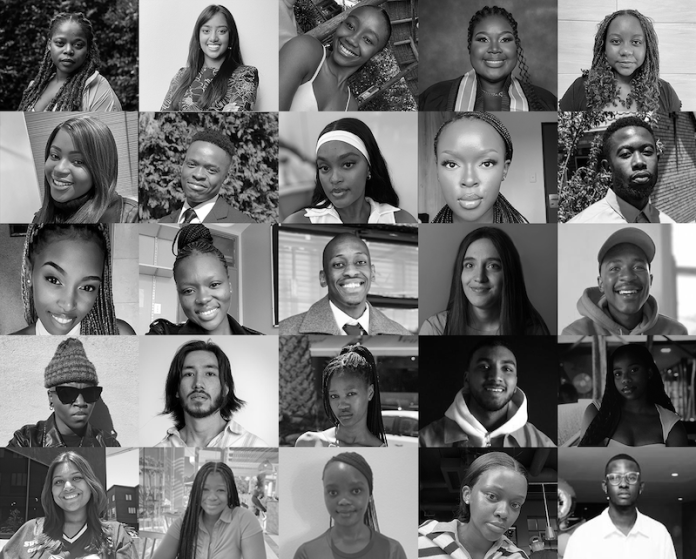
Designed as a fully funded and accredited graduate programme, Publicis Groupe Africa’s Le Cubs programme offers participants hands-on learning in partnership with the Red & Yellow School of Business. The initiative equips young creatives with essential real-world skills, bridging the gap between education and employment in the advertising and marketing industry. The Programme has accepted a new cohort of interns.

Koo Govender, CEO of Publicis Groupe Africa, said: ‘For five years, the Le Cubs internship programme has served as a launchpad for talent, innovation, and leadership. We are proud to celebrate this fresh milestone and the incredible individuals who have helped shape our success. We are also excited to see what the 2025 interns will accomplish.’

This year’s group brings fresh energy and potential to the organisation, with graduates embarking on a structured development journey tailored to their career aspirations. Publicis Groupe Africa’s Chief Creative Officer extends a warm welcome: ‘At Publicis Groupe Africa, creativity is at the heart of everything we do. And through the Le Cubs programme, we can ensure our continued commitment to creativity by investing in the next generation of talent, giving them the platform to make their mark.’

As part of their onboarding, the Le Cubs will receive practical experience, leadership training, and exposure to various aspects of the business, fostering continuous learning and a dynamic workplace culture.

One of this year’s interns, Nomakhosi Lekhanya, shared her early experience in the programme: ‘It’s been a great combination of creative energy and professional growth. Each day presents a new opportunity to dive into diverse projects, from proactive sessions that ignite fresh ideas to hands-on experience crafting visual concepts. The environment is both challenging and supportive, where seasoned professionals generously share their expertise, fostering a culture of learning. I aim to leave with a head full of inspiration and a heart full of passion that only comes from being immersed in the creative fire.’

PUBLICIS GROUPE AFRICA
https://publicisgroupeafrica.com/

This is Modern Marketing