Home Blog Page 77

AI Can Enable Marketing Teams To Think Bigger And Bolder

AI Can Enable Marketing Teams To Think Bigger And Bolder
Claire Cobbledick, Accenture Song.

Claire Cobbledick, Associate Director at Accenture Song South Africa, says in the past decade, marketing has increasingly become obsessed with efficiency and optimisation as the digital era added new dimensions of performance tracking, conversion metrics and scalability. The benefits of delivering relevant advertising and content – at scale – are high but the pressure to deliver faster and cheaper has not gone without consequence. This drive to efficiency has resulted in much of the marketing output disappearing into a world of grey sameness.

But there is a next step in this evolution– and I think it is going to benefit our industry in surprising and fundamental ways. We are about to unlock new frontiers as we move beyond efficiency and optimisation with the primary driver being a renewed focus on creative expansion and breakthrough.

The Acceleration Of Hyper-personalisation At Scale

With big brands owning terabytes of customer data, marketers have to make it count. Hyper-personalised consumer content is growing exponentially – with content demand expected to multiply enormously in the next two years – and yet very few brands have felt ready to scale that effort. That’s a content crisis in the making. Brands are under pressure.

And with an adoption curve, never witnessed before, Generative AI tools have burst onto the scene and sent many marketers into a tailspin. It is in-the-moment learning. How to harness GenAI’s potential, how it helps, how it can harm. Everyone is playing with it, but very few know how to really wield it yet. It’s a leveller of sorts.

One thing we are starting to figure out as marketing and brand people is that GenAI is capable of achieving much greater scale, structure and speed than we can in the often overly complex and hurried campaign planning process. Agentic AI – where a beehive of differently skilled AI ‘agents’ come together to tackle big jobs with lots of moving parts – is revving up this potential even more. It is certainly taking efficiency and optimisation beyond what was predicted.

AI will impact the future of work in ways we don’t yet understand, but where it is most powerful is in the heavy lifting: it can take information from internal and external sources and turn it into deep data analysis, market research, insight consolidation, workflows, timelines, asset tagging, translations, and versioning. All of it. At the same time. Where the standard process is linear, AI can consolidate everything simultaneously.

That’s not creativity. That’s the grunt work. And if we get that off our plates, we free up time and money and cognitive space. We can take the 10 ideas that AI brings us, and whittle it down and sculpt it, using our local knowledge and emotional intelligence to make it relevant.

Marketing Reinvention Is Already Here – And It’s Rebirthing The Big Idea

Marketing reinvention is underway and it isn’t theoretical. At Accenture Song, we’re harnessing AI-tools in the marketing value chain at various intervention points to deliver better results AND to drive efficiency. We’ve seen local telco and retail campaigns, for instance, go from labour-intensive, manual Black Friday campaigns to AI-powered rollouts with double the ROI in the space of a year. AI can help with generating the creative brief, with consolidating internal data and third-party research, mapping channels to content formats, customising content, and even producing fully localised assets for different regions – all from a single, centralised creative environment.

But the most exciting part? AI is bringing back play. It’s enabling teams to experiment with wacky, joyful, surprising ideas and campaigns. We can explore so much more, because AI is very good at collating information we can review. And interacting with AI also produces fun and unexpected results. Just think of the recent AI-generated action figure selfie trend. Someone who had the mind space and playful mood kickstarted the fad. The point is that we can make AI bring us what we need so that we can go off and do what AI never can – finding those brilliantly creative, effervescent and even risky human creative ideas. I think it’s going to spark a new boom in creativity – the The Big Idea.

Let It Split So That The Cream Can Rise To The Top

For the last decade, marketing got stuck in the grey zone between efficiency and originality. There has been a great blurring of lines between repeatable tasks and real creativity.

GenAI is splitting those streams again. Let the humans be irrational. This is the moment where big, bold creative thinking can rise to the top again – and that’s where the true value will sit. Lateral, original, culture-tapping creativity is about to become premium again.

It’s Time To Get Brave

Of course, there are real barriers we still need to overcome. We’re still afraid of the AI, and rightly so, because insights or ideas generated by AI can be tainted by bias, it can lack nuance, and it can produce work guilty of cultural misappropriation. Humans are still needed to sense-check and guide the work.

Teams are also nervous about job losses, about skill shifts, about the unknown. Those are valid concerns, because some marketing roles will disappear or change. Junior creatives won’t need to spend their careers doing the donkey work anymore. But that doesn’t mean the end of opportunity. It just means we’re entering an era of reskilling and refocusing for a future that looks quite different to the past.

Corporate and marketing leaders need to invest now to get maximum benefit and early momentum out of GenAI. Build safe-to-learn cultures. Provide training. Set responsible AI guardrails. Make space to explore. Encourage experimentation. Let your people play with AI. If you don’t, your competitor will. The good news is that no-one is head-and-shoulders ahead at this AI game yet. This is a rare moment or window where everyone’s still figuring it out together. Jump in now.

This also means investing in quality data and smart infrastructure and bringing the right people with technical and analytical skillsets on board to help drive this process, in collaboration with AI and human marketers. Because without clean, structured data, even the best AI tools are just guessing. Businesses that are already winning are the ones that took data seriously early on. They’re not experimenting with AI because it’s trendy. They’re already immersed in it because they were ready when the GenAI moment arrived.

A Final Thought

If you’re in marketing and you’re nervous about GenAI, you’re not alone. But here’s what I tell our clients: don’t run away from the machines – run towards them. Keep an open mind and push yourself to imagine the extent of what is possible. Build teams of diverse humans and tools that collaborate. Let AI take care of the repetitive stuff and enable your human teams to think bigger and bolder.

Here’s the thing: the brands that will win won’t be the ones that create more volumes of work, flooding all the channels with cheap AI-generated content. In this stage of great change, our best work is going to be the bold, original, playful and deeply human work – that we are now freed up and empowered to do. Let the machines do the grunt work while we use creativity to truly unlock powerful and impactful ideas.

ACCENTURE SONG
https://www.accenture.com/za-en/
The Trump-Ramaphosa Meeting Was A Brand Moment

The Trump-Ramaphosa Exchange Was A Brand Moment
Mathabo Sekhonyana.

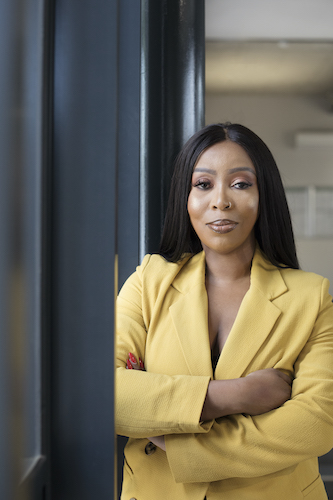
There’s been plenty of talk in the wake of President Cyril Ramaphosa’s recent visit to Washington, D.C., capped off by a high-stakes Oval Office meeting with U.S. President Donald Trump. Mathabo Sekhonyana, Marketing Specialist, says at its core, this moment offers a clear view of how national identity is shaped not just by economic metrics, but by perception. As any marketer will tell you: the brand isn’t what you say it is, it’s what they say it is.

The now-viral exchange sparked everything from memes to measured critiques. But beyond the drama, there’s a more serious story about Brand South Africa, and how diplomacy can shape or shake global perception.

According to the 2025 Global Soft Power Index by Brand Finance, South Africa is trending upward in global perception. We’ve climbed to 41st worldwide, making gains in key metrics like ‘Familiarity’ and ‘Influence’. Even more encouraging is our leap in the ‘Business and Trade’ category — up 11 places—suggesting the world is increasingly viewing South Africa as a serious economic player.

But there’s a twist in the tale. The IMD World Competitiveness Yearbook 2024 paints a tougher picture: South Africa ranks 60th out of 67 nations. Key concerns include infrastructure, economic performance, and government efficiency. So while our soft power is gaining ground, our hard metrics are still playing catch-up. It’s a brand conundrum many marketers will recognise: the hype is building, but the product still has bugs.

There’s no doubt that President Ramaphosa’s calm, statesmanlike response to President Trump’s misinformation-laced comments helped manage what could have spiralled into a reputational crisis. But did we lose something in the effort to stay diplomatic?

It’s a fine line. On one hand, South Africa showed restraint, rationality, and maturity — qualities that enhance our brand globally. On the other, there are whispers that the moment called for firmer pushback. When national dignity is on the line, does silence dilute sovereignty?

For brand strategists working with hot-button topics like race and global power dynamics, the takeaway is this: diplomacy is important, but so is knowing when to assert yourself. Branding, after all, is about identity — and identity must be defended as much as it’s projected.

For marketers, nation brand strategists and the interested scholar, this global episode offers several insights:

1. Own The Narrative:

South Africa’s swift factual response to Trump’s claims was a solid move. But owning the narrative long-term means pushing proactive storytelling — not just crisis comms. We need to tell our story on our terms, not just react to someone else’s version of it.

2. Showcase Strengths That Matter:

Education, science, culture, and sports are all soft power levers South Africa can lean into. If we want to be seen as a serious player, we need to act like one, on global stages and digital platforms alike.

3. Align The Brand With The Bottom Line:

Economic competitiveness and brand equity are not mutually exclusive. Government and the private sector must work together to ensure that the story we’re telling matches the experience on the ground. That means real investment in infrastructure, innovation, and governance.

More Than Just A Media Moment

The Trump-Ramaphosa exchange was more than just a media moment, it was a brand moment. It reminded us that South Africa’s image is shaped by how we act, how we react, and how we tell our story to the world.

The opportunity now? To move beyond the memes, leverage the momentum, and build a brand that’s not only respected globally but rooted in the real progress happening at home.

MATHABO SEKHONYANA
LinkedIn

Brands Should Treat Loyalty Like A Relationship Instead Of A Transaction

Brands Should Treat Loyalty Like A Relationship Instead Of A Transaction
Matthew Van Der Valk, Executive Creative Director, VML South Africa

Are loyalty programmes dead? No, but they’ve evolved. If brand loyalty is all about relationships, those relationships are entering their ethical non-monogamy era. Matthew Van Der Valk, Executive Creative Director, VML South Africa, says brands winning at loyalty today understand that the game has changed – traditional points-based programmes no longer guarantee retention but meaningful engagement does.

From ‘soft contracts’ that create a sense of reciprocity without long-term commitments to the delicate balance between personalisation and privacy, here’s how loyalty is being redefined – and what brands must do to keep up.

1. Loyalty Without Lock-In

Consumers increasingly reject rigid, long-term commitments, but still respond to a sense of reciprocity. The best loyalty programmes now function as ‘soft contracts’ – offering immediate, tangible value while subtly reinforcing habitual behaviour. With behavioural economics at the forefront, brands are abandoning points accumulation in favour of instant gratification (e.g., surprise and delight, dynamic discounts and value adds) that creates a sense of goodwill and makes disengagement feel like a loss.

For brands, this means moving away from rigid, points-based models and focusing on moments of value that feel generous without requiring much in return. It’s about creating low-friction rewards that give customers a reason to keep showing up – even if they haven’t officially pledged loyalty.

Sephora’s Beauty Insider loyalty programme is a perfect example. Members get a birthday gift just for joining, along with surprise samples and early access to events. It’s not about locking people into tiers – they’re building goodwill upfront, making the idea of disengaging feel like missing out on something special.

2. Emotional Loyalty Over Transactional Loyalty

Traditional loyalty programmes focus on rewarding repeat purchases, but real loyalty is emotional, not just transactional. Brands should be thinking less about points and more about cred. Emotional loyalty comes from making people feel like insiders, not just consumers. How can you make your customers feel seen, special, and part of something?

Brands that integrate personalisation, exclusivity, and status benefits (e.g., early access; unique experiences) create deeper, more resilient consumer relationships. This taps into identity-driven loyalty, where consumers align with a brand not to get special offers, but rather because what it offers is special – reflecting their values, aspirations, or self-image.

Nike does this brilliantly with its Nike Membership, which gives members access to product drops before anyone else, personalised workouts, and exclusive content. The programme isn’t about savings, but rather about affinity.

3. From Points To Play

Consumers have grown weary of predictable, linear and frankly dull point systems. The best programmes incorporate elements of play – leveraging unpredictability, progress loops, and social recognition – to create a sense of fun rather than obligation.

Instead of ‘spend to earn’, think ‘engage to be surprised’. Brands that bring in elements like streaks, unlockable content, or social challenges can make loyalty feel like a game people want to play, rather than a task they need to complete.

Duolingo is a masterclass in this. While it’s not a traditional loyalty programme, its streaks, random XP boosts, and badges keep people coming back – without needing to dangle a discount. It taps into habit-forming behaviour through play, not pressure.

4. From ‘Earn And Burn’ To ‘Belong And Benefit’

The traditional loyalty model assumes customers stay for rewards, but many consumers want a sense of belonging. Loyalty programmes that foster a community element – whether through members-only spaces, shared values, or peer interaction – are more effective at keeping customers engaged. It’s about turning customers into collaborators and fans into family.

Glossier gets this. They don’t have a traditional loyalty scheme, but they’ve built a cult following by giving their community a seat at the table. From involving customers in product development to hosting them in Slack groups, they’ve created a feedback loop of loyalty based on inclusion, not incentives.

5. Personalisation Vs. Privacy Paradox

Consumers want hyper-relevant, personalised experiences but are more sceptical than ever about how their data is used. The best loyalty programmes navigate this by offering transparency, choice, and value exchange. Rather than passively extracting data, intelligent brands encourage ‘data for value’ exchanges – where consumers willingly share preferences in return for tailored experiences, exclusive content, or VIP treatment.

Checkers is nailing this locally with its Xtra Savings programme and Sixty60 app. Rather than offering vague points or hard-to-redeem rewards, Checkers gives customers instant, personalised discounts based on their shopping habits. Through Sixty60, they take it a step further, using purchase behaviour to streamline reorders, suggest relevant products, and make grocery shopping feel effortless. Customers know their data is being used, but they see the benefit right away – which builds trust and loyalty in real-time.

TL;DR

In this no-strings-attached era, loyalty isn’t earned through rigid systems or points tallies – it’s cultivated through shared values, flexible rewards, emotional connection, and real-time relevance. Brands that treat loyalty like a living, breathing relationship rather than a transaction are the ones that’ll turn casual flings into long-term love.

VML SOUTH AFRICA
https://www.vml.com/south-africa

Until Until Wins Silver Smarties Awards

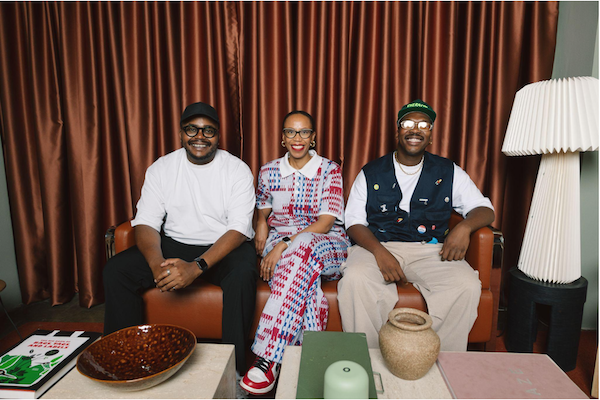
Charles Lusengo, Thithi Nteta and Thulani Dandala, Until Until.

Until Until recently earned two Silver Smarties Awards for I Grew It: Finance 101, in the Social Impact and Creator/Influencer/Celebrity Marketing categories. Developed for Absa, the campaign tackled one of South Africa’s most pressing challenges: financial literacy.

Hosted by comedian and television personality Tumi Morake, known for I Blew It: Second Chances, the campaign earned cultural relevance and audience trust. Her presence helped bridge entertainment and education in a light hearted way.

Through humour, storytelling, and expert-backed insights, Finance 101 reached more than 25 million South Africans across multiple platforms, including under-served rural communities. Its success lay in making financial education accessible without feeling preachy, and that’s what made it resonate.

Until Until has always been driven by a deep understanding of youth culture. ‘We never started out trying to be an agency,’ said Co-Founder and Creative Director Charles Lusengo. ‘We wanted to create spaces that felt like second homes, places where young people could connect and express themselves freely. That same ethos still drives us today, except now we’re solving brand challenges with that same cultural lens.’

Under the leadership of CEO Thithi Nteta and Lusengo, the agency continues to build a team of multi-hyphenate creatives who move with fluidity across disciplines. ‘This fluidity across disciplines shapes how Until Until approaches the work. Our presence in youth culture means our insights don’t just come from desktop research,’ said Nteta. ‘We’re no longer just party starters. In fact, that foundation has propelled us into becoming insight-led thinkers and brand storytellers. When a brief lands on our desk, we draw from real-world experience, our deep understanding of the youth segment through our event entities.’

UNTIL UNTIL
https://untiluntilgroup.com

Enter Your Winning Work For The New Generation Awards

Enter Your Winning Work For The New Generation Awards

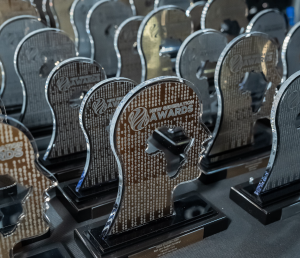
The 13th New Generation Awards are calling for entries. Entries officially opened on the 1st of May, with the deadline for submissions falling on Friday, 18 July. The New Generation Awards stand tall as a beacon of excellence in South Africa’s digital media landscape. Modern Marketing is the official media partner.

Celebrated as the largest performance-based independent awards in social and digital media, creativity, integrated marketing, and online technology, they symbolise some of the highest achievements in these dynamic fields.

In just 12 years, New Gen has accepted over 5000 submissions from corporates, agencies, individuals, and brands, awarding more than 1500 accolades that inspire the industry to reach new heights.

Recent updates to the ‘Black Onyx Award Categories’ have split the Agency of the Year award into three distinct categories.

– Small Agency of the Year (49 or fewer employees).
– Medium Agency of the Year (50-150 Employees).
– Large Agency of the Year (150 or more full-time employees).

The window period for work to be considered runs from 01 May 2024 to 13 June 2025.

Unilever South Africa and Algorithm Agency are proud Bronze sponsors for the 2025 edition, with additional sponsors to be revealed soon. Big announcement loading!

Tamryn Taylor, Head of Marketing, Demand Creation: Beauty, Wellbeing, and Personal Care, commented, ‘At Unilever, we are passionate about pioneering new paths to growth, with a particular focus on social first marketing. The New Generation Awards are a fantastic way for us to help recognise excellence in this space as they are performance-based, independent, and known for acknowledging innovative and impactful work across digital and social media marketing, and technology.’

Jamie-Leigh Barnett, Director: Growth and Development at Algorithm, commented: ‘Our decision to support this platform stems from a shared belief in the power of collaboration and innovation. At Algorithm, we operate through a model of Extreme Partnership — embedding ourselves in our clients’ businesses to drive measurable, strategic growth.’

The judging panel for this year will be announced soon and will feature 30 prominent experts from the industry. For more info on the 2025 awards and entry fees, click here.

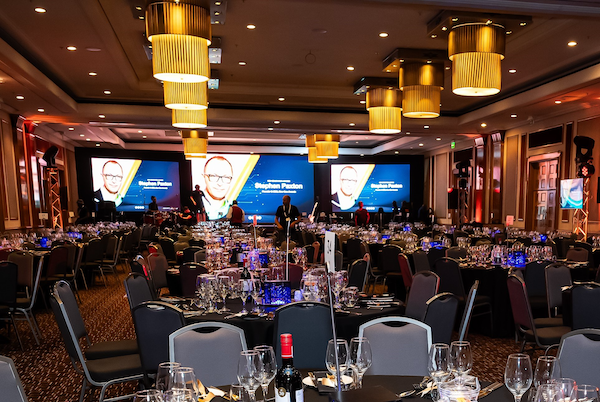
This year’s awards gala ceremony will be held at NH Sandton on Tuesday, 23 September. Mark your calendars! New Gen looks forward to receiving your submissions and individual motivations.

NEW GENERATION SOCIAL AND DIGITAL MEDIA AWARDS
https://www.newgenawards.co.za/pages/awards

Hybrid Influencer Strategies Can Maximise Brand Impact

Hybrid Influencer Strategies Can Maximise Brand Impact
Dashni Vilakazi, The Mediashop.

In today’s digital landscape, influencer marketing has evolved from a mere buzzword to a cornerstone of brand strategy. Dashni Vilakazi, Managing Director of The MediaShop, highlights the differences between celebrity and nano influencers, offering insights into how brands can harness their distinct advantages.

The Power Of Celebrity Influencers

Celebrity influencers, with their massive followings and established fame, are often the go-to choice for brands aiming for maximum visibility. ‘When a celebrity like Trevor Noah endorses a brand, it generates immediate buzz and global recognition,’ noted Vilakazi.

Advantages:

Massive Reach: Celebrity influencers often have millions of followers, making them ideal for high-visibility campaigns such as product launches. Example: Trevor Noah endorsing a global tech brand like Microsoft creates international buzz and instant recognition.

Prestige and Credibility: Celebrities elevate a brand’s image, associating it with quality and success. Example: Bonang Matheba’s partnership with Revlon added glamour and sophistication to the brand.

Disadvantages:

– High Costs: Celebrity endorsements can be prohibitively expensive for smaller brands.
– Authenticity Concerns: Audiences may view celebrity endorsements as purely transactional, reducing trust and engagement.

Nano Influencers: Authentic And Relatable

In contrast, nano influencers — those with fewer than 10,000 followers — focus on authenticity and niche audiences. ‘Nano influencers often feel like friends to their followers, making their recommendations more trustworthy,’ explained Vilakazi.

Advantages:

High Engagement Rates: Nano influencers’ close relationships with their followers drive higher engagement and trust. Example: A fitness nano influencer promoting a local protein shake brand often achieves better conversion rates than a celebrity endorsement.

Cost-Effective: Their affordability allows brands to collaborate with multiple influencers and penetrate niche markets.

Niche Targeting: They excel at connecting with specific demographics or communities. Example: A Cape Town-based vegan nano influencer endorsing a local vegan café directly appeals to the right audience.

Disadvantages:

– Limited Reach: Their smaller follower base makes them less effective for mass awareness campaigns.
– Scaling Challenges: Coordinating multiple nano influencers requires more effort and resources.

What Works Best For Consumers?

Nano influencers are authentic and relatable, resonating particularly with younger, tech-savvy audiences. Celebrity influencers, on the other hand, inspire aspirational appeal and excitement.

‘For long-term trust, nano influencers are the way to go. For short-term visibility, celebrities are unmatched,’ said Vilakazi.

What Works Best For Brands?

Celebrity influencers shine in campaigns prioritising visibility, prestige, and luxury positioning. Example: Mercedes-Benz benefits from celebrity endorsements to reinforce exclusivity and status.

Nano influencers, however, are ideal for brands seeking engagement, authenticity, and niche market penetration. Example: a Soweto-based fitness start-up might achieve better results with local fitness nano influencers than with a global celebrity.

Hybrid Strategies: The Best Of Both Worlds

Many South African brands are adopting hybrid strategies to maximise impact. ‘A celebrity like Siya Kolisi can headline a campaign for a sportswear brand, while nano influencers drive localised engagement and grassroots buzz,’ Vilakazi suggested.

Data-Driven Decisions: The Future Of Influencer Marketing

Effective influencer marketing demands more than definitions; it requires data, collaboration, and evidence-backed practices. As outlined in the IAB SA’s Influencer Marketing Committee’s white paper, locally relevant data is critical for informed decisions that reflect South Africa’s unique cultural nuances and audience behaviours.

The Committee’s three-phase mandate highlights the importance of collaboration among stakeholders — advertising agencies, PR firms, influencer platforms, talent managers, and social media platforms. Together, these efforts will unlock the full potential of South African influencer marketing.

Conclusion

The choice between nano and celebrity influencers depends on a brand’s objectives and target audience. For long-term engagement, nano influencers excel. For immediate visibility, celebrity influencers lead the way.

As Vilakazi noted: ‘A hybrid strategy often offers the best of both worlds, leveraging the strengths of each to achieve a balanced and effective campaign.’

With data-driven insights and collective effort, South African brands can navigate the complexities of influencer marketing and achieve unparalleled success in this dynamic space.

THE MEDIASHOP
www.mediashop.co.za

Provantage And SocioTech Partnership Amplifies Grassroots Development

Provantage And SocioTech Partnership Amplifies Grassroots Development

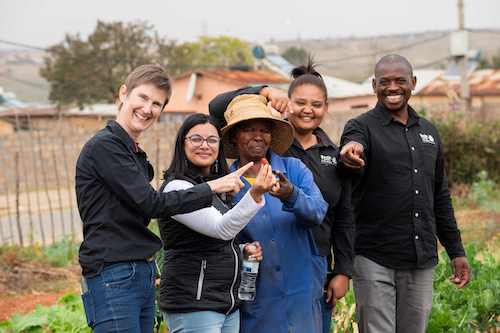
SocioTech has transformed lives across South Africa by empowering individuals to harness local resources and develop income-generating opportunities. Provantage is proud to announce a collective partnership with SocioTech, which is renowned for uplifting South African communities through innovative, grassroots-driven programmes.

This partnership, spearheaded under Provantage’s Leap initiative, exemplifies the company’s commitment to creating lasting change in previously underserved communities across the country.

Over the past year, SocioTech has achieved remarkable milestones, including 15,000+ contact sessions, engagement across 200+ villages, and empowering over 9,600 participants. These efforts have supported 2,400 agricultural producers and enabled 1,300 individuals to trade, fostering grassroots economic growth.

The partnership aligns seamlessly with Leap’s mission to drive initiatives that empower individuals and strengthen communities as well as integrate sustainability into Provantage’s operations.

Jacques du Preez, CEO of Provantage, remarked, ‘True success is measured by the change we leave behind. Through Leap, our partnership with SocioTech amplifies grassroots development, setting a foundation for sustainable growth in South Africa.’

Together, they are forging new pathways to sustainable livelihoods across South Africa. SocioTech’s Broad-Based Livelihoods (BBL) programme is a testament to what can be achieved when communities are equipped with the tools and knowledge to build sustainable futures.

Caroline McCann, Co-Leader of SocioTech, added, ‘Our mission goes beyond economic activity — it’s about restoring hope and resilience. Partnering with Provantage enables us to extend our vision to even more communities and showcase what we do.’

Through its alliance with Leap by Provantage, SocioTech is set to expand its reach and amplify its impact, bringing tools and resources to more communities.

PROVANTAGE
www.provantage.co.za

SOCIOTECH
www.sociotech.co.za

PHD South Africa Announced As Cell C’s Official Media Agency Partner

PHD South Africa Announced as Cell C’s Official Media Agency Partner

As Cell C continues to drive its business transformation and momentum following its brand revitalisation, the choice of PHD was driven by a shared commitment to customer insights, innovation, and leveraging technology for impact. This strategic partnership marks an exciting new chapter in Cell C’s journey to deepen engagement with customers and bring its purpose, to empower South Africans through accessible, human-centred connectivity, to life.

PHD’s globally recognised approach to audience intelligence, media strategy, and behavioural planning will play a key role in helping Cell C connect with South Africans in more meaningful, personalised, and relevant ways.

‘At Cell C, everything starts with our customers, how we show up for them, how we serve them, and how we grow with them. We don’t just talk about putting people first, we live it. That is why PHD stood out. The PHD team demonstrated a unique understanding of South African consumers and how to reach them with heart, creativity and sharp thinking. More than that, they brought the challenger spirit, just like us,’ said Melanie Forbes, Chief Marketing Officer at Cell C.

‘This is not your typical media deal; it’s a real partnership rooted in shared values and a commitment to doing things differently. Together, we are bringing our purpose to life, to be true allies to the people we serve.’

PHD South Africa, part of the Omnicom Media Group, brings deep local expertise and global best practices in data-led media solutions. Their human-centric philosophy made them a natural partner for Cell C’s evolving media needs, as the brand seeks to meet customers where they are, digitally, culturally, and emotionally.

‘We are proud and inspired to partner with Cell C, a brand that shares our own ethos and challenger spirit, along with a relentless focus on people,’ said Anne Dearnaley, PHD South Africa CEO. ‘Our role is to go beyond technical ability, bring our passion and feisty energy to turn insights into action, to craft media experiences that feel personal, add value, and help build stronger relationships with every customer.’

PHD SOUTH AFRICA
www.phdmedia.com

CELL C
www.cellc.co.za

The Ultimate Tech List For Creators

The Ultimate Tech List For Creators.

Thanks to tech tools that level the playing field, today’s creators don’t need a film crew or a Fortune 500 budget; they just need the right apps and platforms in their arsenal. But with hundreds of apps vying for your attention, which ones actually turn passion into pay cheques? Nfinity Influencer (Nfinity), gives the lowdown on the ultimate list of go-to tools for creators in 2025.

From Canva basics to the more impresso-bestos like Adobe’s Creative Cloud, these must-knows are ammo against the drill of noise that can easily dilute (and distress) any aspiring creator. ‘Begin with tools that align with your content strategy and audience – then seek to monetise opportunities, both from brands and your audience. This allows for greater exposure and organic follower growth, as more social media users are exposed to your content,’ said Pieter Groenewald, COO of Nfinity Influencer.

2025 Ultimate Tech List For Creators

1. The non-negotiables: low-cost, high-impact tools for getting serious about your creatorship:

Canva – Everybody’s Friend

For graphic design without the degree, Canva is user-friendly, cost-friendly, and helps you pump out slick images, reels covers, YouTube thumbnails, and pitch decks in minutes. It now also includes AI tools for auto-generating content layouts.

CapCut – The Editor Exceptional.

Meet the editor behind thousands of viral TikToks: CapCut. CapCut’s easy interface and trendy templates (like velocity edits and auto captions) make it ideal for creators focused on short-form video.

2. The nice-to-haves: once you’ve found your content rhythm, these are the sizzler tools to help sharpen your strategy and presentation:

Wisecut – Storytelling That Speaks Volumes

Wisecut uses AI to edit your videos faster than you can say ‘engagement boost’. With automatic voice recognition, smart background music, and subtitle generation, Wisecut helps creators turn raw footage into polished stories in minutes. Perfect for YouTube, Instagram reels, and even educational content, it’s like having a mini post-production team at your fingertips.

Webfluential Creator Profile

Webfluential’s free customisable profile pulls together your socials, work history, and brand collabs into one polished digital CV. It’s also a magnet for potential sponsors.

Mojo – Ultimate Layout Envy

For creators building their creative muscle, Mojo brings animated templates and pro layouts to Instagram storytelling. This not only lands with appeal, but it is especially useful for promoting brand partnerships and limited-time offers.

Photoroom – Image Editing, Made Instant

Need pro-level visuals on a time crunch? Photoroom is your secret weapon. Whether you’re shooting product features, personal branding shots or social content, Photoroom uses AI to instantly remove backgrounds, enhance photos, and apply studio-quality effects. For creators pushing out high-volume content, it’s a massive time-saver and quality booster all in one.

3. The Big Boys: for big-time creators scaling into full-time contentpreneurs or brand builders:

Adobe Creative Cloud – Pricey, But Perfect

Yes, it’s pricey, but for creators producing premium visuals, Adobe’s suite (Photoshop, Premiere Pro, Illustrator) remains the industry gold standard. You’ll find it behind everything from cinematic vlogs to award-winning campaigns.

TubeBuddy/VidIQ – The Analytics All-Stars

YouTube creators, TubeBuddy and VidIQ, are your analytics all-stars. From keyword research to competitor tracking, these platforms give you a behind-the-scenes view of how to grow smarter, which is crucial for creators trying to crack YouTube’s ever-shifting algorithm.

What It Looks Like – Contributing To The Creator Economy:

In 2025, creativity is no longer gated behind expensive studios or ad agencies. With the right tools, creators can start, scale, and sustain their brands from anywhere. The playing field is levelling, which means more voices, more stories, and more impact.

NFINITY INFLUENCER GROUP
https://nfinityinfluencer.co.za/

The Right Marketing Transforms Brands, Shifts Culture And Solves Problems

The Right Marketing Transforms Brands, Shifts Culture And Solves Problems
Tahaab Rais, Publicis Groupe.

As one of six international keynote speakers at this year’s Nedbank IMC Conference, Tahaab Rais, Publicis Groupe’s first ever Group Chief Strategy Officer, holds the number one position as the world’s most awarded strategist for effectiveness and strategy, winning over 1100 regional and global awards (and counting).

Most recently he was also recognised for the third consecutive year as the 2024 Strategic Leader of the Year by Campaign Middle East. He was also integral to Publicis Groupe MEA earning the Regional Agency of the Year award at the Loeries 2024. Rais is committed to driving strategy that empowers brands to live their best lives – by maximising on creativity, empowering people, driving effectiveness and delivering measurable and meaningful results.

For Rais, successful campaigns are about hard work, caring and creativity – carefully underpinned by data and real value impact. He will be taking to the stage on 18th September at the Nedbank IMC Conference to illustrate how to bring back marketing’s magic by showcasing its power and recognising its role as a key business driver. Modern Marketing is a proud media partner of the event.

The Nedbank IMC caught up with Rais and chatted to him about his experiences and fascinating insights.

As the first ever chief strategy officer for the Publicis Groupe, what is it that you hope to achieve?

Strategy is about liberation. Liberating ideas. Liberating creativity. Liberating potential. Where every challenge is met with curiosity, not caution. My goal is to make strategy the heartbeat of our Groupe – a company-wide culture that fuels every conversation, brief, idea, and outcome, and to give people the tools, the mindset, and the permission to think critically, act creatively, and deliver meaningfully. Our training programmes focus on sharper briefs, deeper thinking, and smarter planning. And the results speak louder than we ever could – winning more business, earning more fame, and delivering more impact than anyone expected.

As a champion of creative effectiveness, how do you think brands can balance data-driven decision-making with creative intuition to drive results that matter?

Data vs. creative gut: stop treating them like opposites or adversaries and start embracing them as allies for maximum effect. Often the best ideas start with a revelatory truth, backed by empathy-driven or numbers-driven data. A truth that makes people think, ‘Hey, that’s me’.

By combining human intelligence with data intelligence, we unlock ideas that are creative, credible, scalable, and meaningful. The key is to build a system (within teams and clients) that integrates art and science, heart and head, gut and data. This is not an easy ask, but one that is crucial to driving real results for both people and brands.

What advice can you give marketers to help drive the Marketing is Business® mantra?

Marketing is so much more than just communication or chasing impressions and engagement rates. If all your marketing does is make people notice you, you’re doing advertising. If your marketing makes people need you, you’re doing business.

When done right, marketing transforms brands, shifts culture, and solves real human problems. When people’s lives are better, easier and richer because of what your brand does – that is the magic that makes businesses grow, reputations rise, and value multiply.

So focus on transformative work that proves its impact and value. When marketing drives real impact, it stops asking for permission and starts proving its power. To me, marketing doesn’t just deserve a seat at the boardroom table, it is the table around which business, people and culture meet real value.

What unique opportunities and challenges do you see in the African marketing landscape?

Africa is a continent of contrasts – progress alongside deep divides. And that’s exactly where the opportunity lies. Marketing here should not be about more campaigns, it should be about more real transformation. Transformation that turns brands from advertisers into agents of progress, for people, for businesses, and for the wider economy.

But marketing often focuses on short-term gains rather than long-term impact. The opportunity is to flip that and deliver work focused on relevance, reputation and real-world change. Understand the deeper problems worth solving, deliver creative work that drives behaviour change and foster connections across culture, behaviour and technology.

We have a responsibility to measure what matters, not just likes or reach, but real behaviour change, brand value uplift, and long-term business growth. Because in a continent where the stakes are high, and the potential is even higher, the brands that win will be the ones who prove that marketing isn’t a cost. It’s the multiplier. It’s the difference-maker. It’s business itself.

What’s your secret to success – at work and in life?

Treating every day like it’s my first. I approach each day with curiosity, eagerness, and caring – just like you do on your first day at work. Eager to learn, hungry to contribute and respectful of the people around you. You care, and when you care, the people around you care too.

I live by this ‘first day’ mantra both at work and at home. Imagine greeting your partner with the same excitement as on your first date, or collaborating with colleagues with the same enthusiasm and dedication as your first day on the job. This mindset keeps me connected, motivated, and ultimately more human.

Be a part of the most prestigious marketing event of the year and catch more of Rais’ industry insights on the 18th September in Johannesburg at Mosaiek Teatro, 1 Danielle Street, Fairland, 2030, or online. Access the full agenda here.

In-person tickets are priced at R3500 (excl. VAT). Limited seats available. No allocated seating. Virtual tickets priced at R950 (excl. VAT). Book now.

NEDBANK IMC CONFERENCE
www.imcconference.com

This is Modern Marketing