Mazda Southern Africa has officially launched its new brand platform, ‘The Feeling Will Find You’. This campaign shifts the focus from external metaphors to internal experience, where wonder isn’t something you chase; it’s something that arrives the moment you step into a Mazda.
‘The campaign doesn’t move away from what we’ve built – it builds on it,’ said Deolinda Da Costa, Head of Marketing at Mazda Southern Africa. ‘We’re showing emotion in new ways – more poetic, more visual, more open-ended – all anchored in the driving experience.’
The campaign is brought to life through a series of unexpected visual metaphors: bubbles floating into an open sky to represent freedom, petals released into the air as a symbol of emotional release, and origami cranes carefully folded to capture the wonder of transformation. These elements are not literal. They are expressions of what it feels like to be in a Mazda, moments of quiet magic and emotional connection that elevate even the most routine drives.
Strategically, ‘The Feeling Will Find You’ tightens Mazda’s positioning in a saturated automotive market by leaning into emotional storytelling over functional messaging. It takes Mazda’s long-standing belief in Jinba-Ittai – the unity of car and driver – and reframes it for a modern audience seeking meaning, calm, and connection in a fast-paced world.
The media roll-out includes cinematic short films, social content, and on-the-ground extensions, all designed to surface the extraordinary within the everyday. From a morning commute to a spontaneous detour, Mazda reframes these moments as opportunities to feel something more profound.
The campaign is also highly modular, allowing dealers, content partners, and media teams to adapt and extend the creative into lifestyle, digital, and experiential formats. It’s a brand platform built to grow across touchpoints, models, and markets.
Ultimately, ‘The Feeling Will Find You’ signals Mazda Southern Africa’s intention to move beyond the rational and own an emotional space few automotive brands have truly claimed. It’s not just about cars. It’s about how those cars make you feel. Because in a Mazda, Wonderrrr Awaits – and the feeling will always find you.
Penquin is proud to announce the appointment of Thando Mxosa as its new Strategy Director. Mxosa joins Penquin with a strong reputation for crafting strategies that achieve genuine cultural relevance. He is renowned for his ability to seamlessly blend deep analytical rigour with compelling creative storytelling, ensuring campaigns not only resonate authentically with audiences but also directly propel business goals.
This key leadership move reinforces Penquin’s commitment to placing rigorous insight and future-facing strategy at the core of its creative output, driving significant growth and measurable results for its diverse client portfolio.
In his new role, Mxosa will be responsible for leading Penquin’s overall strategic vision, sharpening the agency’s consumer insights, fostering enhanced cross-team collaboration, and pushing the boundaries of what integrated communication can achieve in the current market.
Penquin CEO Veronica Moleele said Mxosa’s appointment comes at an exciting time for the agency, as it continues to evolve and expand its strategic capabilities. ‘Mxosa’s arrival marks a pivotal moment for Penquin. We are not just hiring a Strategy Director; we are investing in a future where data and human truths unlock transformative creative work,’ she said. ‘Mxosa embodies the exact blend of curiosity and commercial foresight we need to elevate our client partnerships and challenge industry norms. His leadership will be instrumental as we move into an era focused on deeper impact and innovation.’
Mxosa’s arrival signals a new chapter for Penquin, one defined by future-focused thinking, meaningful client partnerships, and a deeper integration of insight into every stage of the creative process. Under his direction, the agency aims to strengthen its reputation as a strategic partner that builds brands people truly care about.
South Africa had approximately 3.2 million podcast listeners in 2023, and the audience is projected to reach 4.8 million by 2027, driven by increasing mobile access. The crowd is also young, with 61% of the participants aged between 18 and 34, who prefer consuming media on-demand.
Listenership is also expanding in isiZulu and isiXhosa, with shows like Uhambo Lolwimi and Ukhozi FM podcasts, helping make podcasting more reflective of the country’s linguistic diversity as well as expanding the reach for advertisers seeking relevance beyond English-dominant audiences. Video-led formats are also gaining ground as YouTube and Spotify double as both discovery engines and listening platforms.
Podcasts have quietly moved from the margins of South African media to become a serious force. What was once a niche format is now a mainstream habit, with 66% of South Africans listening to an hour or more of podcasts each week, well above the global average of 41%. Millions are tuning in not just to global names but increasingly to distinctly local voices as well.
Some shows are now household names. Podcast and Chill with MacG has notched up more than 395 million YouTube views, with episodes typically drawing over 200,000 viewers. True Crime South Africa sits in the top 0.5% of podcasts globally, while Wisdom & Wellness with Mpoomy Ledwaba shares that ranking and has built audiences across Africa. SMWX, hosted by Dr Sizwe Mpofu-Walsh, has tapped into youth politics with strong engagement across Spotify and YouTube. International titles still rank highly. Trevor Noah’s What Now? sits in the top 5% of global shows. However, the balance of power is shifting toward homegrown creators.
‘Podcasting has matured into a serious brand channel,’ said Joe Hamman, Director at Novus Group. ‘Audiences give their time and trust to these hosts. That creates depth and credibility you cannot buy anywhere else. But for brands, the challenge is knowing which voices matter, and that is where disciplined monitoring makes the difference.’
Money is following the ears. Digital audio and podcast advertising in Southern Africa is expected to top $355 million this year, and more than half of listeners say they have acted on sponsor messages, whether visiting a profile, clicking through to a site, or making a purchase. Formats like creator-led reads and product placements with affiliate codes are proving particularly effective. Hamman noted that cultural relevance is now as important as reach.
For marketers, podcasting represents both an opportunity and a measurement challenge. There are tools available that track mentions, sentiment, and performance across podcasts, social, news, and video to reveal where audiences are truly listening and engaging. Because in a media world where influence matters, knowing who’s shaping the conversation is everything.
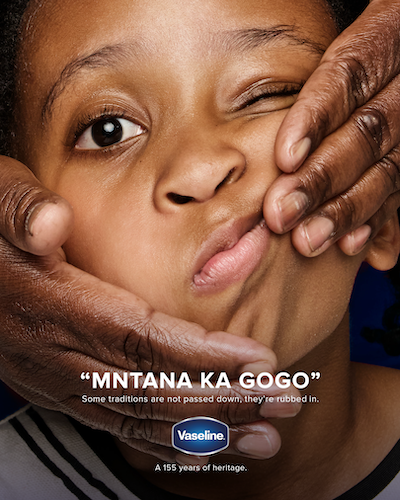
Vaseline’s Heritage Day campaign hit South Africans in the feels and social media has been lighting up with nostalgia ever since. Here’s how it came to life. At a time when the glut of content on social feeds has users’ eyes glazed over, and on a day when plenty of brands came out to play, Vaseline’s Heritage Day campaign captured South Africa’s hearts.
Many black South Africans took to social media, saying the campaign felt like recognition, and that’s exactly what it was. ‘We learn about how our brand lives in the communities we serve, and the stories people tell about our brand,’ said Kenosi Matsebatlela, Head of Marketing for Vaseline. ‘One of the stories that kept coming up was people remembering how they would get ready for school and part of that routine was having Vaseline vigorously rubbed into your face to set you up for the day with confidence.’
That moment, captured as if frozen in time, was what made the ad so real for so many South Africans.
‘Moments like these remind me of how our shared practices are simultaneously connective and instructive. They carry memory, identity, and, familiarity,’ commented one Instagram user. Other users shared treasured memories of their childhood, while others commented how they’ve carried their childhood Vaseline skin-care rituals into adulthood.
What’s striking about the campaign is how simple it is. The ad people resonated with most is a static image with minimal copy and understated branding. No AI was harmed in the making of it. It’s low-tech and human, relying on good-old copywriting and strong photography to tell the story.
That choice to keep it old-school feels fitting for an ad celebrating 155 years of Vaseline’s impact on South African heritage. A slick, high-tech production would have been out of place.
Adding another layer of authenticity, the child in the picture is the daughter of one of the art directors who worked on the campaign. ‘We took her out of school to come and help us shoot the ad, it was really a family affair,’ said Nhlanhla Ngcobo, Executive Creative Director at Vaseline’s creative agency VML South Africa, who spearheaded the campaign.
He added that the little girl was a natural. The shoot took all of 45 minutes. That’s the beauty of careful planning. The execution may have been simple, but the idea behind it was bold.
What makes this campaign work is that it feels deeply personal. That started at the ideation phase. The team drew on their own lived experience and memories of a childhood where Vaseline was ever-present in their homes. It was the ‘polish’ that made children shine – both literally and figuratively; a magic touch that gave them the confidence to go out and take on the world.
When it came to conveying that message in the ad, it had to be in vernac – a bold choice for a brand that appeals to a broad spectrum of South Africans. But the team was trusted to tell their story in the way they believed would resonate best.
‘When the team had to explain the context of this idea to me, I knew we were onto something good,’ said Fran Luckin, Chief Creative Officer at VML South Africa. ‘Creative work that makes you feel something isn’t generic. It’s created for people who will get it by people who get it. This ad is so simple and yet so powerful. It proves that you don’t need gimmicks to connect with an audience if you have empathy. I’m immensely proud of the team.’
Rather than alienate part of the Vaseline audience, the deeply personal nature of the story resonated even more broadly – even beyond South Africa’s borders. Not everyone understood all the words, but everyone understood the message.
In a further act of audacity, the branding on the ad was subtle – a small logo above a tiny tagline that allowed the creative to take centre stage. ‘Authentic stories are better told through a human voice, rather than a brand voice,’ explained Ngcobo. ‘You have to understand the culture before you try to represent it and for the team who worked on this, it was personal. But what also made it work was that the client understood what we were trying to do, and they were all in. They understood why the story needed to be given space to shine. When you have a client partner who shares your vision, you can bring stories like this to life.’
The Vaseline Heritage Day campaign is a beautiful example of the cardinal rule of storytelling: show, don’t tell. It’s a static image, but you can feel it, smell it, and hear it. That multisensory experience is how you tell a story that allows the audience to insert themselves into the narrative, so that it becomes their story.
It’s the perfect celebration of South African heritage and a fitting tribute from an iconic brand to its loyal customers, who have ritualised the product and passed it down through generations. ‘People are telling us that they feel seen,’ said Matsebatlela. ‘I’m so proud that we could give people this moment of cultural unity, where they can celebrate this little ritual that they’re passing on to their children and appreciate that it’s an act of love they learnt from their moms and their gogos. Isn’t that what Heritage Day is all about?’
Thelma Ngoma-Mavhunga, senior writer and trainer at Flow Communications, says in the race to climb Google’s search rankings, too many brands have lost sight of the bigger picture. Caught in a loop of publishing SEO-driven content piece after content piece, they unknowingly start competing with themselves for visibility – a hidden pitfall known as keyword cannibalism.
We’re seeing this trend more frequently in our content audits and strategy sessions. And while the goal is usually positive – to boost traffic and improve keyword rankings through search engine optimisation (SEO) – the outcome often misses the mark, resulting in content that doesn’t perform well or resonate with human audiences.
What Is Keyword Cannibalism?
Put simply, keyword cannibalism happens when multiple pieces of content on the same website target the same keyword or topic. Instead of helping, this hurts the site. Google struggles to identify the most relevant page, and as a result, none of the competing pages perform as well as they could.
In practical terms, if a brand publishes two blog posts on ‘the best running shoes”’and a separate but related piece entitled ‘top running shoe reviews’, they are all optimised for the same term; they may be slightly different, but not definitive.
A search engine might see them as duplicates, not knowing which one to rank. Instead of a single, authoritative page, you end up with two mediocre pages that are fighting for the same spot. Authority gets fragmented across multiple URLs, and the brand ends up eroding its own SEO equity.
We’ve seen this first-hand with brands with more than a dozen articles targeting variations of the same core keyword. Instead of amplifying their message, this approach dilutes it and makes it bland, both for search engines and for users. By consolidating and realigning the content under a clearer strategy, we help brands regain rankings and reclaim their voice as a thought leader in their space.
Why The Obsession With SEO Content Is Risky
The allure of ‘feeding the algorithm’ is strong – SEO metrics are exciting. But in chasing quick wins, brands often sacrifice long-term resonance.
We believe content should serve people first and algorithms second. Storytelling, after all, isn’t just about building a narrative, it’s about creating connection.
Keyword cannibalism is a symptom of a mindset that prioritises SEO over everything. It reflects a reactive, siloed approach to publishing where every content piece is created in isolation, with little regard for what’s already been said, or what the audience actually needs to hear.
Signs You’re Competing With Yourself
If you’re not sure whether keyword cannibalism is affecting your brand, here are a few red flags:
– Multiple blog posts or pages targeting the same search term.
– Declining rankings despite increased content production.
– Fluctuating page visibility for the same keyword.
– Lower-than-expected click-through rates from search results.
– High bounce rates on topic cluster pages (page visitors are leaving without engaging).
How To Fix Keyword Cannibalism
Avoiding keyword cannibalism starts with strategic intent – not just better SEO, but smarter storytelling.
Here’s what we advise:
1. Audit Your Content Regularly
Map out existing content and group it by keyword or topic. This will give you a clear view of your content landscape.
2. Consolidate Where It Makes Sense
If you have multiple posts covering the same ground, consider merging them into a single, authoritative piece – one that Google and your audience can both trust.
3. Create A Clear Content Hierarchy
Not every post needs to rank for the same keyword. Use supporting articles to link back to cornerstone content and build thematic depth rather than duplication.
4. Think About The Audience First
Ask: what is the reader looking for? What’s the most helpful, authentic way to deliver that? That mindset shift alone can eliminate much of the cannibalism risk.
5. Build SEO Into Strategy, Not As An Afterthought
Integrate SEO into the planning phase, not just at the publishing stage. That means aligning content goals with search intent and business objectives from the start.
Brands often don’t need more content. They need better content, rooted in strategy and built on storytelling. When you stop obsessing over algorithms and start thinking about people, the results speak for themselves: stronger rankings, deeper engagement and content that actually earns its place. When your content works together, not against itself, you strengthen your brand’s authority and impact.
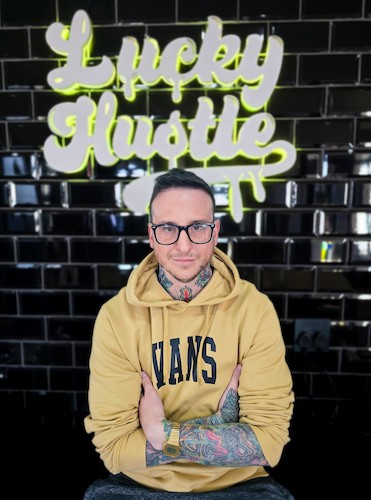
According to Darren Morris, CEO of Lucky Hustle, time has always been money in marketing. But in 2025, attention is the true currency. Consumers are spending less time on individual pieces of content, their digital journeys are fragmented across dozens of platforms, and their tolerance for interruption is shrinking.
As a result, advertising is undergoing a profound shift: from long-form, high-budget spectacles to micro-ads designed to win a glance, spark a click, or seed a memory in just a few seconds.
The Era Of Compression
Once upon a time, the 30-second TV spot was the gold standard. Today, 30 seconds feels like an eternity. TikTok, Instagram Reels, YouTube Shorts, Spotify snips, retail media, and even generative platforms are creating environments where ads must deliver impact in two to six seconds, or risk disappearing into the scroll.
This isn’t just about cutting down duration. It’s about learning how to compress meaning, emotion, and brand codes into an ultra-short, context-aware creative burst. The craft of storytelling is being re-engineered for the attention economy.
Traditional campaign planning, where brands spend months developing a handful of hero assets, is no longer sustainable. Ads fatigue faster, algorithms demand constant novelty, and consumers are conditioned to expect a fresh narrative almost daily.
This doesn’t mean abandoning big ideas. It means building agile creative systems capable of producing dozens (or even hundreds) of short-form assets that ladder up to a consistent brand story. It’s not about one big campaign; it’s about a thousand small touches working in harmony.
Where Commerce Meets Content
The power of micro-ads lies in their ability to capture fleeting instants (aka micro-moments) where people are primed to act, whether it’s searching for a product, scrolling between tasks, or watching content with one eye on the ‘skip’ button.
These moments are intimate and contextual. A six-second pre-roll isn’t just an ad; it’s a potential nudge at the exact second someone is open to influence. A branded sticker in a chat app isn’t just a gimmick; it’s a tiny piece of cultural participation. A shoppable post in a live stream isn’t just an impression; it’s commerce embedded in community.
The convergence of content, commerce and context is where the future lies. Micro-ads don’t just tell stories, they drive decisions in real-time.
If micro-ads are the future, how do we measure their value? It’s no longer enough to count impressions. The key is to assess:
– Velocity: How quickly can creative be produced, tested, and iterated?
– Resonance: Did the ad trigger recognition, recall, or emotion — even in under five seconds?
– Yield: What’s the lifetime value of a micro-asset across channels before fatigue sets in?
These metrics shift the conversation from reach to resonance. It’s no longer about counting eyes on a screen — it’s about measuring the echo that follows. The real question isn’t ‘how many saw it?’ but ‘how deeply did it stick, and what did it move?’ Did it shift perception, spark conversation, or inspire action? In a landscape saturated with noise, the value of communication now lies in depth, not volume — in the moments that linger long after the scroll.
The future of advertising will belong to brands that understand attention as a privilege, not a right. Every interaction, no matter how fleeting, must offer something of value. In a world where audiences can scroll past in a heartbeat, the brands that win won’t be the loudest, but the ones that make those few seconds count without taking more than they’re given.
Zak Haeri, NIQ and Gary Whitaker, BRC, undertook the official signing between the BRC and GFK.
Modern Marketing attended the Broadcast Research Council’s (BRC’s) exclusive pre-launch session of South Africa’s Total Video Measurement (TVM) programme on 15 October. The BRC appointed GfK (an NIQ company) to design and deploy the country’s new TVM service, aligning the market’s currency with the way South Africans actually watch television and video today. The event marked the official signing between the BRC and GfK.
‘Today marks the beginning of a new chapter in our country’s audience measurement journey. This is more than a ceremonial signing in every sense – it’s a turning point. It’s also a reset, one that acknowledges where we’ve come from and boldly defines where we’re headed,’ said Gary Whitaker, CEO of the BRC.
‘Today we begin the transition from television audience measurement to total video measurement. From a static picture to dynamic view. From one platform to every screen. This is not simply a technical upgrade. It is the unlocking of a 360-degree understanding of how audiences engage with video content wherever, whenever, and however they choose. Through the partnership we formalised today, the BRC will deliver a new era of measurement: robust, inclusive, and future-ready for our broadcasters.’
‘It means greater visibility of audiences across platforms for our advertisers and agencies. It also means deeper insights and more accountable investment decisions. And for the industry as a whole, it means restoring trust in our measurement currency, ensuring it reflects how South Africans actually live, view and connect.’
‘Today’s signing is a symbolic start. But it’s also a reminder that the work ahead will define us. Implementing total video measurement will require cooperation, adaptation, and above all, courage. Courage to embrace change, to trust the data, and to let go of old habits – to build a future that reflects all audiences across all screens and all stories.’
‘So as we put pen to paper today, let us remember this is more than a contract. It’s a commitment to progress, to inclusivity, to innovation, and to truth in measurement. For over 35 years, we’ve measured what was watched. Now we will measure who’s watching, where they’re watching, and how they’re watching. This is the future of audience measurement in South Africa. And it begins right here, right now,’ concluded Whitaker.
What the industry will get, in phases:
Phase 1: A completely new TV currency service feeding into daily TV trading. The market will have a clear, shared, and trusted daily TV currency that reflects today’s viewing reality for Broadcast, and connected-TV usage, for broadcasters, agencies, and advertisers. The phase 1 data will be provided to the market by Jan 1st 2027.
Phase 2: Bring broadcaster on-demand and streaming into everyday planning. Broadcaster video-on-demand and streaming is incorporated so planners and brands can see and manage the combined impact of live and online viewing. Goal is to have Phase 2 completed by end of 2027.
Phase 3: Complete the Total Video picture by end-2027. A unified, all-screens service provides one view of audiences across traditional television and digital video — helping brands invest with certainty and enabling broadcasters to protect value in a converged market. Full delivery will complete during 2028.
The BRC is working closely with its existing Television Audience Measurement Survey (TAMS)-provider, Nielsen, to coordinate an orderly transition. Nielsen will continue to deliver data until Phase 1 launches on Jan 1st 2027. By that avoiding any television data blackout prior to and during the handover, ensuring continuity for the industry throughout. The BRC wants to thank Nielsen for the important service provided to the South African industry for the last 38 years.
Zak Haeri, Managing Director for South Africa at NIQ, said, ‘We believe that South Africa deserves innovative solutions. This country is unique and that’s one of the things that makes our job really interesting because we love doing research and finding facts about things, and there’s no market like South Africa, so it’s fantastic to be able to implement these innovative industry-leading solutions in the country.’
‘Change is a constant. Businesses are constantly innovating and creating new technologies, and consumers are changing. They respond in different ways. They pick up new habits and those habits continuously evolve. We measure what products are being sold in South Africa across many different categories, and what consumers are consuming within households. Now we’re also going to be measuring how people engage with media across TV and radio.’
‘We’re really grateful for this opportunity and we’re truly committed to this partnership as well as to the South African market. We’re marrying global expertise and local know-how to create something that’s unique to the market.’
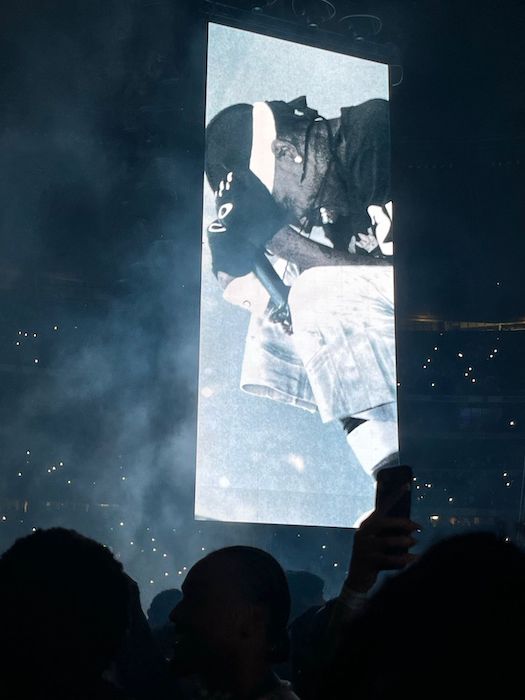
Content creator Snaye Mdubu shares his lessons from a viral Travis Scott moment. The response confirmed what he’s long believed: that brands, creators and marketers need to pay closer attention to the real-time emotional pulse of their audience.
I didn’t plan for my first viral video to be Travis Scott crying on stage. But that’s the thing about real culture, it rarely announces itself in advance.
On Saturday, 11 October, I was just another fan at the concert. No media pass. No brand brief. Just me, my phone and an instinct that something was happening. When Scott became visibly overwhelmed mid-performance, he paused and cried, right there in front of us. I hit record. No agenda, no editing and no fancy captions. Just a moment that felt raw and real.
By the next morning, the video had over 250,000 views, 17,000+ likes and 2000+ comments within 24 hours – all from a video I almost didn’t post.
Why Did It Go Viral?
1. Emotion > Perfection
We are entering an era where audiences crave feeling over polish. Scott’s vulnerability was unexpected, unfiltered and honest. In a feed full of curated content, this stood out as deeply human.
2. Culture In Context
This wasn’t just a concert. For fans of hip hop, it was a rare public expression of emotion from an artist known for rage and bravado. That contradiction made it culturally significant. Moments like these are not just entertainment, they are timestamps in music history.
3. Right Place, Right Time
This wasn’t about chasing a trend, it was about presence. I was there, capturing the moment as it unfolded. The timing wasn’t algorithmic, it was instinctual. And that instinct led to impact.
What Marketers Can Learn
For brands and storytellers, there’s something powerful here: Culture doesn’t live in a boardroom. It lives in real time.
Marketing teams spend months planning campaigns designed to ‘connect emotionally’ and then a spontaneous moment of real humanity does it in 15 seconds.
So what does that mean for us?
– Be present: The most powerful content often comes from being in the right place not just online, but physically in the culture.
– Trust emotion: Audiences respond to what feels genuine, even if it’s messy.
– Move with culture, not just trends: Some things can’t be predicted but they can be felt, if you’re listening.
The best content isn’t always created. Sometimes, it’s simply captured.
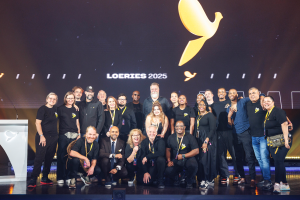
The Loeries Awards celebrates and promotes outstanding creative work, fostering innovation and fresh thinking in the industry. After a week of networking, insights and inspiration, the final day of the Loeries Creative week wrapped up with a celebration of the very best in the region’s brand communications sector. Modern Marketing is a proud media partner.
The Awards ceremony, the second one in the week, was held at the Cape Town City Hall on Friday, 10 October, with agencies and clients in attendance
The Loeries Creative Week 2025 was a showcase of creativity and innovation, featuring insights from industry thought leaders, cutting-edge ideas from innovative companies, and inspiration from the vibrant brand communications communities in Africa and the Middle East.
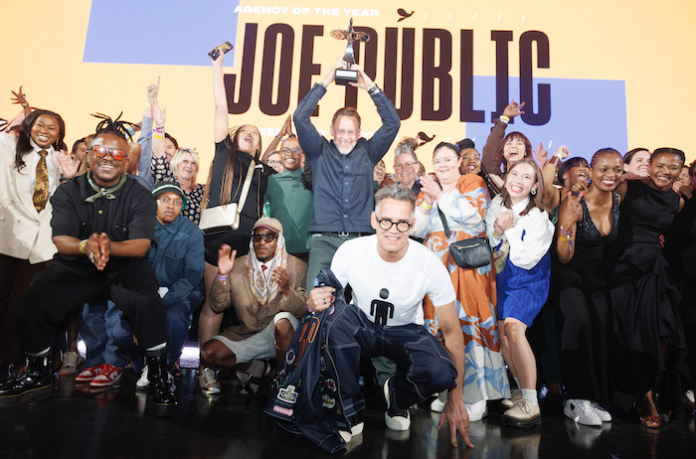
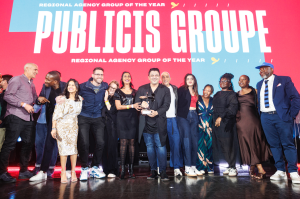
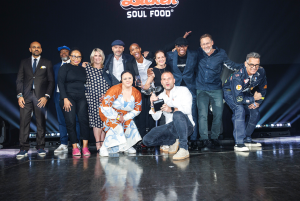
There were many noteworthy awards that were given out to truly remarkable individuals and organisations this year. Publicis Groupe was named Regional Agency of the Year and Joe Public walked away with the Agency of the Year Award. Chicken Licken is Brand of the Year.
Dr. Biodun Shobanjo, a transformative figure in marketing communications, was inducted into the Loeries Hall of Fame. 3 Grand Prix were awarded to Joe Public, Dentsu Creative Kenya, Dentsu Creative Design Capetown and Publicis Middle East.
This year, over 2784 entries were received. Overall, 613 brands were represented by 273 agencies from 13 countries across Africa and the Middle East. A total 264 Loeries were awarded.
Winners’ List:
Film And Campaign
Agency/Entrant
Title
Brand
Product
Award
New Launch Campaign
Ogilvy
Forever Golf
Volkswagen South Africa
Golf
Gold
TBWA \ Hunt Lascaris
Savanna Neat
Heineken Beverages South Africa
Savanna Cider
Silver
Bananas
The Unfluencer
Western Cape Department of Economic Development and Tourism
Illustrative type campaign
Craft Gold
Digitas ME
Kicks Key
Nissan ME
Nissan Kicks
Bronze
Comedic Impact
BigTime Creative Shop
Obsession
General Entertainment Authority
Fight Night
Gold
TBWA \ Hunt Lascaris
Save our stay (SOS)
City Lodge
City Lodge
Campaign Gold
Halo
The Out of Office Out of Home
Pineapple
Insurance
Silver
TBWA \ Hunt Lascaris
It’s giving whisky
Heineken Beverages South Africa
Savanna Cider
Silver
Accenture Song
The F-Show
Sanlam
Financial
Bronze
Bananas
Let There Be Cake
KFC
Brand
Bronze
Joe Public
Why Choose
Chicken Licken
Soul Square Meal
Bronze
TBWA \ Hunt Lascaris
#TryJanuary
Heineken Beverages South Africa
Savanna Cider
Campaign Bronze
B2B Creativity
Fortune Promoseven LLC
Recipe for Change
Arla Foods
Puck
Gold
Faith and Fear, Retroviral
FinDR
Profmed
Profmed
Silver
Saatchi & Saatchi Middle Wast
Walla Visa?
Visa
Card Transactions
Silver
Serviceplan Middle East FZ-LLC
Street bites with Shaq
Department of Culture and Tourism Abu Dhabi
Experience Abu Dhabi
Bronze
Service Design
Ogilvy
Volkswagen Night School
Volkswagen South Africa
Volkswagen Night School
Gold
Impact BBDO
The New President
AnNahar Newspaper
AnNahar Newspaper
Silver
TBWA \ Hunt Lascaris
Save our stay (SOS)
City Lodge
City Lodge
Silver
Effective Creativity
Impact BBDO
Child Wedding Cards
UN Women
Anti-child marriage
Gold
Impact BBDO
The New President
AnNahar Newspaper
AnNahar Newspaper
Gold
Serviceplan Middle East FZ-LLC
BMW iJack
BMW
BMW i
Silver
Publicis Middle East
ColourCheck
BabyShop
BabyShop
Bronze
Social Impact Campaign
Fortune Promoseven LLC
Recipe for Change
Arla Foods
Puck
Gold
Mullen Lowe South Africa
Green Gursha
Unilever
Knorr all-in-one vegetable bouillon
Silver
Saatchi & Saatchi Middle East
Ruby Blooms
Nana
Sanitary pads
Silver
Impact BBDO
Insured Billboards
easypaisa
easypaisa
Bronze
Clockwork
Homes Need Pets
Byron Thomas Properties
Byron Thomas Properties
Bronze
Saatchi & Saatchi Middle East
Sun Courts
Nivea
Nivea Sun
Bronze
Integrated Campaign
Joe Public
Why Choose
Chicken Licken
Soul Square Meal
Gold
Joe Public
Hard-working professionals
Nedbank
Nedbank Platinum Credit Card
Silver
Impact BBDO
Cheetos Pants
Cheetos
Cheetos
Silver
Publicis Middle East
There We ARe
Home Centre
Furniture
Bronze
Impact BBDO
InkVisible
UN Women
Domestic violence hotline
Bronze
Joe Public
Boneless Bites of Soul
Chicken Licken
SoulBites
Bronze
TBWA \ Hunt Lascaris Johannesburg
Save our stay (SOS)
City Lodge
City Lodge
Bronze
TBWA \ Hunt Lascaris Johannesburg
DryJan
Heineken Beverages South Africa
Windhoek Beer
Bronze
Film: Performance
Giant Films
Piki Piki Mabelane
Chicken Licken
Food
Grand Prix
BigTime Creative Shop
Obsession
General Entertainment Authority
Fight Night
Craft Certificate
Film: best use of licenced music
BigTime Creative Shop
Obsession
General Entertainment Authority
Fight Night
Craft Gold
Joe Public
Mr Indecisive
Chicken Licken
Soulsquare Meal
Craft Certificate
Publicis Middle East
Strangers
King Faisal Specialist Hospital and Research Centre
Healthcare Services
Craft Certificate
Film: Music
Patriot Films
Zulu With Us
Spotify South Africa
Digital streaming service
Craft Certificate
Romance Films
Waste Paper Basket & Claw
Chicken Licken
Chicken Licken Super Slider 4 Mix
Craft Certificate
Film: Editing
Darling Films
Bottomless Bucket
KFC
KFC
Craft Certificate
Film – Special Visual Effects
BigTime Creative Shop
Obsession
General Entertainment Authority
Fight Night
Craft Certificate
Film: Production Design
Giant Films
Piki Piki Mabelane
Chicken Licken
Food
Craft Certificate
Film: Writing
Joe Public
Hard-Working Professionals
Nedbank
Nedbank Platinum Credit Card
Craft Gold
Accenture Song
The F-Show
Sanlam
Financial
Craft Certificate
Film: Cinematography
Giant Films
Piki Piki Mabelane
Chicken Licken
Food
Craft Certificate
BigTime Creative Shop
Everything or Nothing
General Entertainment Authority
Fight Night
Craft Certificate
Film: Direction
Carbon Films
Let There Be Cake
KFC Thailand
40th Birthday
Craft Gold
Giant Films
Piki Piki Mabelane
Chicken Licken
Food
Craft Gold
Film: Branded Content Film – Series
Ogilvy
Forever Golf
Volkswagen South Africa
Golf
Silver
Matchstick
SuperSport Real World of Champions
SuperSport
SuperSport Brand
Bronze
Film: Branded Content Film – Single
Accenture Song
The F-Show
Sanlam
Financial
Bronze
Film: TV Trailers and Content Promos
T+W, Retroviral, Grid Worldwide
Matchday Meltdown
Showmax
Showmax Premier League
Bronze
Film: Online Film – above 30s
Joe Public
Hard-working Professionals: Anna, Francois, Yuto
Nedbank
Nedbank Platinum Credit Card
Campaign Gold
Bananas
Let There Be Cake
KFC
Brand
Gold
BigTime Creative Shop
Obsession
General Entertainment Authority
Fight Night
Gold
BigTime Creative Shop
Everything or Nothing
General Entertainment Authority
Fight Night
Silver
Film: Online Film – above 30s
Joe Public
You’ll find a reason
Uber
Uber Black
Campaign Bronze
Film: TV and cinema commercials above 90s
Scholars
Zuzu – The Hermit Crab
SCJ
Corporate
Bronze
Publicis Middle East
Strangers
King Faisal Specialist Hospital and Research Centre
Healthcare
Bronze
Joe Public
The Homecoming
Chicken Licken
Hotwings
Bronze
Film: TV and cinema commercials up to 90s
Joe Public
Mr Indecisive
Chicken Licken
Soul Square Meal
Silver
Ogilvy
KFC Bottomless Bucket
KFC South Africa
KFC Buckets
Silver
Joe Public
Boneless Bites of Soul
Chicken Licken
SoulBites
Bronze
TBWA Hunt Lascaris Johannesburg
Save our stay (SOS)
City Lodge Hotel Group
City Lodge Hotels
Bronze
Joe Public
It’s the little things – Wastebasket Triple Pointer
Chicken Licken
Super Slider Mix 4
Campaign Bronze
Student Awards
Agency/Entrant
Title
Brand
Product
Award
Student Awards: Print, out of home and design Crafts- Photography
Open Window
Davel: Life in the Shadows of Time
Self-promotion
Artist’s Book
Craft Certificate
Student Awards: Print, out of home and design Crafts- Typography
Red & Yellow Creative School of Business
Foundation Work
Western Cape Department of Economic Development and Tourism
Illustrative type campaign
Craft Gold
Student Awards: Print, out of home and design Crafts – Illustration
North-West University
See the Unseen
International Council of Design
Zine
Craft Certificate
Red & Yellow Creative School of Business
Skoerrrt
Department of Small Business Development
Illustrative Campaign
Craft Certificate
The Open Window
The Unlucky Deaths of Ancient Rulers Zine
N/A
Zine
Craft Certificate
The Open Window
Egg Sneaks
N/A
Product range
Craft Certificate
Student Awards: Print, Out Of Home & Design Crafts – Writing
AAA School of Advertising
Consent is Couture – Married, New Relationship
Tears Foundation
Support
Campaign Craft Certificate
Young Creatives
Halo
Middleweight Copywriter
Geir Wilson
Young Creatives
Gold
Student Awards: Integrated Campaign
Red & Yellow Creative School of Business
Buzzzz off Dave
Mosquito Guard
Mosquito repellent
Silver
Greenside Design Center
Taal Tongue Trek: Pendoring 25
Pendoring 25
Event Material Campaign
Bronze
Student Awards: Digital Media
Red & Yellow Creative School of Business
Don’t just be seen. Be heard.
BeReal & We’re not really strangers
Social networking applications
Bronze
Student Awards: Package Design
IIE-Vega
Die Vrylopende Afrikaner
Impala Vleis
Impala Vleis
Silver
Red & Yellow Creative School of Business
Sizwe Lamp
Lion Matches
Sizwe Lamp
Bronze
Stellenbosch Academy of Design and Photography
Chill and Chow Packaging
Chill and Chow
Frozen Food
Bronze
Cape Town Creative Academy
Halmoni
Halmoni
Ginseng-steeped liquor
Bronze
Student Awards: Publication Design – whole or single element
Cape Town Creative Academy
Simmer!
Not My Mother’s Cook Book!
A sort of culinary and cocktail guide to life
Silver
The University of Johannesburg
From Corner Shop to Kitchen
N/A
Cookbook
Bronze
Stellenbosch Academy of Design and Photography
Redefining Poetic Line-Poems by E Dickinson
No specific brand
Considered storytelling
Bronze
Cape Town Creative Academy
Woman of the Ocean
Haenyeo free divers of South Korea
Considered storytelling
Bronze
Student Awards: Design – General Design
Red & Yellow Creative School of Business
Skoerrrt
Department of Small Business Development
Illustrative Campaign
Gold
Red & Yellow Creative School of Business
Foundation Work
Western Cape Department of Economic Development and Tourism
Illustrative Campaign
Silver
Red & Yellow Creative School of Business
Gag on it
Gag on it
Illustrated guerilla campaign
Silver
Cape Town Creative Academy
NICE
Absent Room
Art Exhibition Opening
Bronze
Cape Town Creative Academy
Friends of Adam?
Friends of Adam?
Dinner Club – invites for strangers
Bronze
Student Awards: Design – Logos and identity programmes
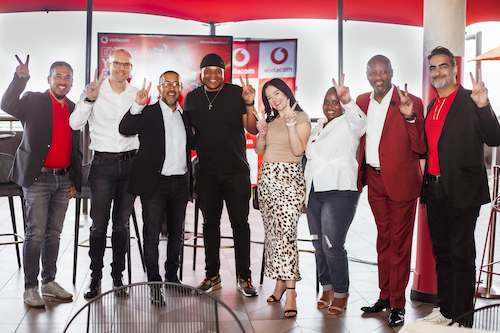
Vodacom held a media launch for its V-Up Summer Campaign 2025 event at Radisson Red Rosebank on 7 October. Themed ‘Extra Your Summer,’ Vodacom wants to make connectivity accessible this holiday season, with record-breaking deals like 20GB of data for R99.
Vodacom’s Most Competitive Deal Ever Launched
The event began with the campaign unveiling and a video premiere hosted by comedian Nina Hastie, and presented by Andisa Ntsubane, Managing Executive of Brand Marketing and Communications in Africa for Vodacom. Ntsubane addressed the rising living costs that South Africans face, which prompted Vodacom to step up with its most rewarding summer yet. The 2025 Extra Your Summer Campaign delivers Vodacom’s biggest-ever data deal and over R500 million in prizes and rewards, bringing real value during tough times.
The campaign also uses Vodacom’s new news show, ‘Value News Network,’ influencers and the stories of previous campaign winners to cement the message of the need for connectivity during the holiday season.
A panel discussion featuring Vodacom’s national and regional leadership was held to address key aspects of the campaign and take questions. ‘We know many South Africans are feeling the financial strain,’ said Rishaad Tayob, Consumer Business Director at Vodacom South Africa and key spokesperson. ‘This summer, we’re giving customers exceptional value to help them stay connected without compromise. Connectivity should never be a luxury. Our R99 20GB deal is transformative for customers who’ve had to cut back on connectivity due to cost pressures. Staying connected shouldn’t be a luxury.’
This deal is exclusively available on VodaPay. The bundle includes 7.5GB base data, 7.5GB bonus data, 5GB YouTube data, two months of YouTube Premium, and 100 VodaBucks, representing nearly R200 in value. It’s the most competitive prepaid data deal Vodacom has ever launched.
This year, Vodacom is also giving its postpaid customers additional value. All customers need to do is sign up or upgrade to a 200GB SIM-only offer for just R299, and they’ll get 5GB of bonus data plus two months of free YouTube Premium subscription, purely because everyone deserves a little extra this summer.
Big Prizes Up For Grabs And Meaningful Rewards
Vodacom’s Summer Campaign also unlocks daily opportunities to win memorable prizes through the VodaBucks Rewards Programme, running until the 6th of February 2026. Customers can participate via free daily plays on the VodaPay app or USSD (*133#), with additional plays available using VodaBucks.
From cash and fuel to fashion vouchers and free drinks, Vodacom’s summer rewards are designed to add value every day. Grand prizes include R1,000,000 in cash (awarded to eight winners), R50,000 in VodaBucks (for 100 winners), a year’s worth of fuel or data, and a daily Coca-Cola giveaway through a special brand partnership.
Daily rewards include lifestyle vouchers for groceries, fashion, and travel, exclusive partner discounts via Vodacom’s new postpaid tiering system, and Achiever goals to unlock mystery rewards. VodaBucks earned through the campaign can be banked weekly, spent on essentials, or converted directly into cash via the VodaPay wallet, making every interaction count.
Vodacom Is Connecting People For A Better Future
Vodacom’s summer rewards are part of a broader commitment to support South Africans through meaningful connectivity, affordability, and empowerment.
‘Our purpose is to connect people for a better future, and that means understanding the realities our customers face,’ added Tayob. ‘Whether it’s through exceptional data deals, meaningful rewards, or sustained investment in network quality and community development, we’re committed to delivering value that makes a real difference in people’s lives.’
‘That’s why we’ve accelerated 4G and 5G rollout in underserved areas, trained thousands of young people through our Youth Academy, and helped connect hundreds of schools with free internet and devices. From smart metering partnerships that create local jobs to disaster relief efforts and digital literacy programmes for female farmers, our focus is on building lasting impact where it matters most.’
Another highlight mentioned at the event was Vodacom’s empowerment and training of over 2000 gender based violence survivors and over 1700 young South Africans with information and communication technology (ICT) skills.
Championing The Springboks
Looking to the future, Ntsubane championed Vodacom’s new sponsorship deal with the Springboks, stating, ‘In August this year, we announced our sponsorship of the Springbok national teams, including the men’s 15, the women’s 15, the Junior Springboks, as well as the Springbok Sevens. It’s about champion teams, a champion brand, and really helping to leverage our champion network to deliver value to all South Africans this summer.’
Vodacom’s Summer Campaign is open to all prepaid, hybrid, and contract customers. To join the fun:
– Download the VodaPay app or dial *133#.
– Play daily for free to win instant prizes.
– Complete Achiever and Exclusive goals on VodaPay to unlock mystery rewards.
– Bank your VodaBucks weekly to avoid losing them.
– Spend or convert VodaBucks into cash via the VodaPay wallet.
The R99 20GB data deal is available exclusively on the VodaPay app.