
Home Blog Page 50

Black Friday’s Biggest Discount Is Customer Loyalty

The Price of Loyalty: Why Shoppers Are Over the Hype This Black Friday
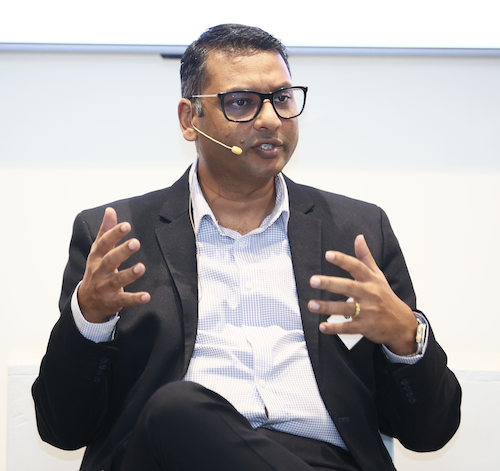
Mathabo Sekhonyana, Marketing Specialist.

South Africa’s busiest shopping season is here. Over the next few days, tills will be ringing, and carts will be filled as consumers cash in on the best deals in town. As the country gears up for another blockbuster Black Friday, marketing specialist Mathabo Sekhonyana warns that consumer loyalty is vanishing fast.

Black Friday has always been a high performing shopping weekend for South African retailers. The country’s first formal Black Friday Index shows that the four-day window to Cyber Monday now commands over 30% of all holiday-period retail transactions, and in-store revenue for that weekend has more than doubled, rising from 5.3% to 11.1% of total holiday revenue.

That confirms what the three major banks have long suggested. Last year the weekend shattered records with over R30 billion spent across ABSA, Standard Bank and FNB alone. The year before, in 2023, both online and physical shopping at Standard Bank reached record heights, with online sales growing by 17% and exceeding a 30% growth since 2021.

However, behind the record-breaking spend, lies a parallel narrative. Mounting economic pressures have made shoppers more price sensitive. Retailers have contributed to this shift by starting promotions earlier, conditioning consumers to expect discounts well before Black Friday weekend.

According to Sekhonyana, this has caused a shift in the rules of engagement with consumers now becoming smarter, savvier, and far less forgiving.

‘Consumers haven’t stopped spending, but a year-round discount culture has stopped them from believing the Black Friday hype. Gone are the days when putting a 20% off banner in a shop window was enough to drive foot traffic. Today’s shopper knows the difference between a genuine saving and a marketing gimmick. They’ve seen it all, and they’ve learned to play the game better than the brands,’ said Sekhonyana.

Black Friday’s Biggest Discount? Customer Loyalty

This year, retailers are competing for consumer trust and loyalty, something far more valuable than mere sales.

Today’s shoppers are more discerning, and while discounts might still grab attention, they no longer guarantee devotion. The explosion of month-long Black November campaigns and the constant churn of promotions have eroded the sense of urgency and excitement that once defined the weekend. With inboxes overflowing with flash sales and limited time offers, South Africans are tuning out.

‘Discount fatigue is a very real thing, and as a result, consumer loyalty has become conditional,’ explained Sekhonyana. ‘Consumers are buying, but they are approaching spending with greater caution and intention, with trust, convenience, and real value at the top of the shopping list. The brands that fail to deliver on those basics are losing relevance fast.’

According to the NielsenIQ Consumer Outlook 2026, every purchase South Africans make must now earn its place. Loyalty has shifted from habit to discernment, living at the intersection of trust, quality, and simplicity.

In 2024, over half of South African consumers opted for eco-friendly delivery options for example, a clear signal that value is no longer defined by price alone. Shoppers are aligning their purchases with their principles, rewarding brands that reflect their ethics and priorities.

Part of this shift also stems from how technology has empowered consumers. AI-driven comparison apps and pricing trackers have made it easy for shoppers to separate real deals from recycled discounts.

Added to this are global giants like Temu and Shein who continue flooding the market with ultra-low prices. It means local retailers cannot afford to compete on cost alone.

Their real advantage lies in authenticity, service, and emotional connection, creating experiences that feel personal, transparent, and rooted in local values. According to Sekhonyana, while price still matters, this broader cultural shift where people buy with purpose, not impulse value has become multidimensional means loyalty is no longer a given. It’s something brands must earn, one meaningful interaction at a time.

‘Today’s shoppers, especially Gen Z and younger Millennials, expect personalisation, speed, transparency, and convenience. They’ve outgrown gimmicks, gravitating instead toward brands that feel genuine, purposeful, and aligned with how they live,’ she added.

Five Ways Retailers Can Win Back Loyalty

The good news is that a few forward-thinking retailers are already shifting from price wars to trust battles, focusing on building credibility that lasts beyond the sale. says it doesn’t take massive budgets or teams, just consistent, intentional actions that build real trust.

1. Prioritise Loyalty: Programmes that offer exclusive, personalised rewards based on past purchase trends.

2. Deliver On Convenience: Omnichannel integration like being able to buy online and collect in-store or seamless refund processes are crucial parts of perceived value. A smooth, reliable experience drives repeat business.

3. Use technology, not tricks: AI-powered tools can help brands create meaningful connections rather than one-time transactions. Test your AI Bots and new systems before the promotion starts

4. Stand for something real: Ethical business practices are no longer optional but expected.

5. Focus on the follow through: The aggressive nature of Black Friday can distract from the post-purchase experience. Failing to engage customers after the sale erodes long-term trust and forfeits the chance of repeat business.

The key takeout this Black Friday is not that consumers do not want to spend money, they are just tired of being played.

‘Instead of a louder, one time only discount, consumers want honesty, simplicity, speed and follow-through. Black Friday has evolved from a race for attention into a test of authenticity, and the brands that make consumers feel their money, and their trust, is well spent will win every Friday, not just on Black Friday,’ concluded Sekhonyana.

Mathabo Sekhonyana
LinkedIn 

Inclusive CX Is A Pathway To Stronger Customer Loyalty

Bongani Mdluli, Helm.

November is Disability Awareness Month in South Africa, which draws attention to the needs, rights, and potential of millions of South Africans living with disabilities. It’s also a moment to remind business leaders that inclusivity isn’t a side project, it’s a pathway to smarter systems, stronger customer loyalty, and a great customer experience for everyone.

‘A lot of companies still see accessibility as a tick-box exercise or something they do to look good,’ said Bongani Mdluli, Senior UX designer at Helm and the team’s internal advocate for inclusive CX. ‘The truth is, when you design with accessibility in mind, you come up with smarter solutions that make life easier for everyone. It’s not charity work, it’s just good, inclusive design.’

Globally and locally, some of the most widely adopted innovations began as accessibility tools:

– Closed captions and subtitles were designed for hearing-impaired users. Today they are indispensable in gyms, restaurants, and on mobile-first platforms like TikTok.

– Voice assistants and text-to-speech tools, initially intended for people with vision or mobility challenges, are now everyday tools for sending WhatsApp messages, operating smart homes, and navigating banking apps hands-free.

– Ramps and curb cuts, introduced for wheelchair access, have become critical for parents with prams, delivery drivers, and travellers.

– Dark mode and high-contrast displays, once developed to support users with vision impairments, are now mainstream features adopted for convenience, energy-saving, and reducing eye strain.

‘We call this the curb-cut effect – when you design for people on the edges, the benefits end up helping everyone else too,’ explained Mdluli. ‘Think about ramps: they were made for wheelchairs, but parents with prams, travellers with heavy bags, and even cyclists rely on them every day.’

More than 7.5% of South Africa’s population lives with disabilities, according to Stats SA. But this doesn’t account for situational and temporary disabilities such as navigating a city with a broken arm – this would be relevant for a mom carrying a baby and only able to use one of her arms as she’s shopping, paying for parking or going about her day at home even.

‘Accessibility isn’t only about people who live with disabilities full-time,’ said Mdluli. ‘It’s also about those everyday moments like trying to use your phone with one hand, dealing with bad network coverage, or reading small text in bright sunlight. In South Africa, where we’re juggling digital and physical barriers all the time, that’s a huge opportunity to design better.’

Inclusive CX should be elevated to a board-level priority, not left solely to designers or compliance teams as an afterthought. Accessibility audits often uncover friction points that frustrate all users, meaning that by solving for the most vulnerable, businesses streamline journeys for everyone.

Inclusive brands also earn deeper customer loyalty, as families and communities tend to rally around companies that actively consider their needs and, conversely, when one person feels excluded, an entire household is less likely to support that brand. Beyond this, inclusivity drives market growth: people with disabilities and their families represent billions in collective buying power, offering businesses that embrace accessibility the opportunity to unlock untapped markets and build long-term relationships.

‘Inclusivity isn’t just about doing the right thing, it’s also smart business,’ said Mdluli. ‘Every South African is a potential customer, whether they’re living with a disability, stuck with slow data, or just trying to get things done with a broken arm. If your systems don’t account for that, you’re setting yourself up to be left behind.’

Disability Awareness Month often sparks well-meaning campaigns, but businesses need to go further. Accessibility needs to be built in from the start, not tested at the end of a project. That means putting it into design sprints, looking at every step of the customer journey through the eyes of people with disabilities, and learning from the global leaders who’ve already shown that inclusive design is both profitable and brand-building. In South Africa, where competition is fierce and customer trust is everything, accessibility should be seen as brand equity, something that makes your company more relevant, more resilient, and ultimately more human.

AI tools are also beginning to support inclusive design. From automatically generating descriptive alt text to converting written content into natural-sounding speech across languages, these innovations enhance and support good, solid design thinking that improves accessibility for everyone.

‘South African businesses can really lead the way if they choose to,’ said Mdluli. ‘If your customer experience works for someone in a rural area with patchy data, a parent trying to juggle kids, and a person living with a disability, then you’ve built something that works for everyone. That’s the standard we should aim for.’

HELM
www.helm.africa

Joe Public Wins Big At The Loeries

Client belief in creativity powers historic win for Joe Public - Africa and the Middle East’s #1 agency

For the sixth time, Joe Public has reached the summit of the Loeries Awards to claim the titles of Agency of the Year, and Independent Agency of the Year in Africa and the Middle East.

Joe Public’s performance at the 2025 Loerie Awards is proof that great partnerships, brave clients, and an unwavering belief in the power of creativity can build brands that drive business ambitions.

The agency’s award-winning work celebrates the creativity and collaboration between Joe Public and its brands, including Chicken Licken®, Nedbank, Cell C, Flying Fish, Castle Milk Stout and Uber.

Leading the charge is Chicken Licken®, which claimed Brand of the Year in a stunning comeback that saw the proudly South African quick-service brand rise from #13 last year to reclaim its throne. In a category dominated by global giants, Chicken Licken® proved that local flavour, authentic storytelling, and fearless creativity can outshine any multinational competitor. Chicken Licken® took home 19 Loeries, including a Grand Prix for Performance Craft honouring actor Phila Mazibuko, director Karien Cherry, and Giant Films.

Cell C marked a pivotal moment in its brand journey, winning two Bronze Loeries that signal the beginning of something bigger to come. This is a brand finding its voice, and Joe Public is honoured to help amplify it.

What happens when a financial services brand commits to creativity that connects deeply with real people? Nedbank reaped the rewards of climbing the creative rankings over the years and banked 7 Loeries, including a Campaign Gold Loerie and a Gold Loerie for Craft Writing for its Hard-Working Professionals campaign for the Nedbank Platinum Credit Card, as well as a Campaign Gold Craft Loerie in the radio category.

South African Breweries delivered exceptional work for Flying Fish and Castle Milk Stout, earning one Gold, three Silvers, and one Bronze Loerie, proving that great beer deserves great advertising.

Joe Public Cape Town’s work for Uber earned another Campaign Bronze Loerie for their ‘It’s so good you’ll find a reason’ films, showcasing consistent creative excellence that travels across borders.

From broadcast to digital, from social to outdoor, these campaigns created cultural moments and drove measurable business results.

‘These wins are only possible because of sustained partnerships with clients who believe in the effectiveness of creativity,’ said Pepe Marais, Group Chief Creative Officer at Joe Public. ‘When brands trust us to push boundaries, magic happens. This recognition belongs to every client who chose bravery over bland, to every partner who supported us in the production of our ideas, and to every Joe in our agency who obsesses over being better than our best, and then better. It truly stands testament to our growth purpose.’

JOE PUBLIC
https://joepublic.co.za/

Why Africa Needs Its Own B2B Marketing Playbook

Why Africa Needs Its Own B2B Marketing Playbook
Matthew Nkala, The Catalyst Africa.

According to Matthew Nkala, Digital Director at The Catalyst Africa, spend time on global marketing forums or scroll through LinkedIn, and you’ll see the same message repeated: Millennials and Gen Z are now making the big decisions. That’s mostly true in the West. The people approving budgets and choosing partners grew up online. They search before they speak to sales, prefer a quick video to a brochure, and trust social proof more than cold calls.

But Africa’s reality looks different. Most B2B decisions here are still made by Generation X – leaders who built their careers on relationships, trust, and consistency. They’re not anti-digital; they just engage on their own terms.

Who’s Really Calling The Shots?

Across South Africa and the continent, Gen X still holds the senior titles. They run businesses that survived economic shifts and digital waves.

Their decision-making style reflects that:

• They value meetings over messages.

• They prefer clear, detailed proposals over trending videos.

• They weigh reputation more than reach.

So, while Western marketers experiment with TikTok campaigns for B2B, African marketers are still closing deals over coffee and formal presentations. It’s not resistance. It’s rhythm.

How generations are defined depends on when you went online. Globally, generations are divided by birth years:

• Millennials: born between 1981 and 1996.

• Gen Z: born between 1997 and 2012.

Those numbers make sense in the US or UK, where access to the Internet started early. A Millennial there might have had a home computer and email as a teenager.

In Africa, the story is different. Many people born in the same years only got online much later – often in their late 20s or 30s, when smartphones and data became affordable.

While they fit the age definition of a Millennial, they weren’t raised in a digital environment. Their relationship with technology came through work, not childhood.

That difference matters. Two people born in 1984 – one in London, one in Ladysmith – may belong to the same generation on paper, but their digital maturity is worlds apart. Africa’s Millennials often bridge both eras: they respect traditional credibility but embrace digital convenience. They are fluent in both boardrooms and browsers.

Why Africa Needs Its Own B2B Playbook

If you apply a Western strategy directly, you’ll miss the mark. In most African organisations today:

• Gen X makes the final decision.

• Millennials influence the research and evaluation.

• Gen Z is entering, bringing digital expectations that will soon reshape the process.

That’s three distinct mindsets in one buying cycle. Ignore one, and your message falls flat.

Building A Blended Approach

As marketing teams in Africa, we need to build bridges, not silos. That means:

• Keeping relationship marketing strong while expanding digital reach.

• Designing campaigns that educate Gen X and engage Millennials and Gen Z.

• Using social proof, video, and content to support the credibility that traditional tactics already create.

• Treating digital platforms as an extension of real-world reputation, not a replacement for it.

• The sweet spot lies in balance – digital tools that deepen human trust, not replace it.

The Question We Should Be Asking

Instead of asking ‘How do we market to Millennials and Gen Z?’ Maybe the real question is: ‘How do we speak to every generation in one message?’ Because Africa’s boardrooms aren’t defined by birth years. They’re defined by connection – and that’s still the language that sells.

THE CATALYST AFRICA
https://thecatalyst.africa

Hyper-Personalisation Is The Secret Sauce In Customer Emails

Hyper-Personalisation Is The Secret Sauce In Customer Emails

South African shoppers don’t move in neat, predictable journeys. Someone might Google ‘best hiking boots’ while ironically waiting for their takeaway, compare prices later that night on the couch, and only buy days afterwards when a perfectly timed email nudges them. These high-intent, split-second opportunities are what Google calls micro-moments. And in retail or any sector, they are where loyalty is won or lost.

The trick isn’t just being present. It’s showing up with something relevant, right when it matters.

What Makes A Micro-Moment Different

Micro-moments are those ‘I want to know’, ‘I want to buy’, or ‘I want to go’ interactions that happen in real time, usually on mobile. They’re short, sharp, and packed with intent. A shopper searches ‘black sneakers size 8 near me’. A customer checks a mortgage calculator. A Capetonian scrolls through a weather app and sees another week of grey skies.

‘Micro-moments are about intent, not just timing,’ said Executive Head of Sales and Marketing at Everlytic Louise Krog. ‘If you can meet a customer in that exact second with something useful, you build trust in a way that lasts.’

Why Hyper-Personalisation Is The Secret Sauce

Personalisation isn’t new. But ‘Hi Thabo’ in a subject line doesn’t cut it anymore. Hyper-personalisation goes further, using real-time data, behavioural cues, and even context like weather or location to deliver messages that feel spot-on.

– A winter coat email that lands the same afternoon a customer was browsing jackets.
– A sunny getaway deal sent to inboxes across Cape Town just as winter sets in.
– A back-in-stock alert with the exact size and colour someone wanted.

‘That’s the power of hyper-personalisation,’ said Krog. ‘It’s not about guessing. It’s about knowing enough to send something that feels perfectly timed and genuinely helpful.’

Retail Micro-Moment Use Cases

– Back-in-stock alerts: A customer browses a sold-out item. When it’s restocked, an automated email triggers with their size and colour, driving urgency and repeat visits.
– Location-based promos: A loyalty customer enters a shopping centre. An email offer for their favourite store in that centre hits their inbox instantly.
– Weather-driven campaigns: Winter rain forecasted in Cape Town? Send local customers an email showcasing waterproof jackets and limited-time discounts.
– Abandoned cart flows: A shopper leaves behind items. Within an hour, a personalised email reminds them with dynamic product images, stock levels, and related suggestions.

‘These aren’t gimmicks. They’re practical ways to show customers you’re paying attention.’

The Bonus: A Smarter Database

Hyper-personalisation isn’t just about shiny campaign results. It makes your database smarter too. Every click, open, and conversion enriches your customer profiles. Engagement signals keep lists healthy by flagging contacts for re-engagement or cleansing. Real-time behaviours trigger dynamic segments automatically, so your database becomes a living, breathing ecosystem.

The Payoff For Retailers

When brands align email with micro-moment behaviour, the numbers speak for themselves:

– Up to six times higher transaction rates from real-time campaigns.
– More sales with fewer sends, which means less inbox fatigue.
– Improved deliverability and engagement through ongoing list optimisation.
– Higher customer lifetime value, driven by relevance and timing.

And of course, it’s not only sales metrics. Hyper-personalisation builds trust and loyalty, because customers feel seen, understood, and prioritised.

Getting Started

The good news is you don’t need to rebuild everything overnight. To activate hyper-personalised retail emails, you really only need three essentials:

– Unified data: A central view of customer behaviour across online and offline touchpoints.
– Automation tools: Email platforms that trigger real-time responses based on behaviour.
– Dynamic content: Modular templates that change based on user data and context.

Start small. Pilot a hyper-personalised abandoned cart or product recommendation flow. Measure engagement, conversions, and list quality. Then scale up with weather-based offers, location triggers, or loyalty incentives.

‘Hyper-personalisation doesn’t have to feel overwhelming, but with the right tools, any brand can start showing up in those micro-moments and making every interaction count.’

Because in a world of endless noise, the brands that win are the ones that master every micro-moment and get the timing, and their message, right.

EVERLYTIC
everlytic.co.za

Brands Shouldn’t Compromise Their Values For Visibility

Brands Shouldn't Compromise Their Values For Visibility
Samu Hashe, PR and Communications Consultant.

Samu Hashe, PR and Communications Consultant, asks: Are you risking your brand for fleeting influencer fame? In recent weeks, Hashe came across a LinkedIn post from a communications specialist reflecting on a motor brand that chose to ignore an influencer’s attempts at engagement. The influencer had posted content about the brand, seemingly hoping to build a relationship and secure a partnership. The post criticised the brand for being ‘tone-deaf’ by not responding.

Eventually, the influencer shifted focus to another motor brand, which rewarded her efforts with an experience-based partnership. While some might see this as a missed opportunity for the first brand, I viewed the situation differently. The assumption that every brand must respond to unsolicited influencer content feels forced. It’s important to remember that not all influencer content is created equal. Brands that intentionally choose not to affiliate with or decline partnerships that don’t align with their positioning are not necessarily ‘tone-deaf’ – silence can, in fact, be a strategic choice.

Brand Loyalty Vs Instant Visibility: What Are Brands Chasing?

From a brand reputation perspective, the influencer’s tactic displayed little loyalty. The rapid shift from one motor brand to another raised critical questions. Are brands aware of this tactic? Are they prioritising instant visibility over long-term loyalty? And importantly, what are the long-term benefits of influencer partnerships, especially when influencers can often have little brand loyalty? This is a point raised by well-known arts and culture journalist Mbali Mbatha in a recent conversation we had, where she questioned whether brands are sacrificing long-term media credibility for short-term influencer gains.

The Influencer And A Car Brand Incident: A Case Study In What Not To Do

This conversation reminds me of an incident that recently made headlines: a controversial advertisement partnership between a popular influencer/musician and a car brand. The ad depicted the influencer drinking champagne (reportedly non-alcoholic) before settling into the driver’s seat. The campaign was met with immediate backlash and later deleted even though the damage was already done.

The key question that arose from this incident, as highlighted by Mbatha in her article is: how did this concept get through the approval stages? Was there an ethical review? Did the car brand’s PR or legal team weigh in at any point? And most importantly, was the influencer’s team evaluating the reputational risks involved? It’s clear that the partnership lacked critical oversight. Alcohol and automotive brands don’t mix well and if the drink was non-alcoholic, it should have been clearly stated in a disclaimer to avoid any confusion. Without this, the visual sends a dangerous message.

As PR professionals, it’s our job to ensure these partnerships align with brand values and public expectations. The influencer’s management/team responded poorly when asked about the campaign and the lack of professionalism and accountability which only added to the damage. In this case, the influencer’s team failed to protect the brand’s reputation and that failure became evident in how the situation was handled.

Key lessons for brands, Influencers and PR Teams:

• Start at the drawing board: Understand the codes of conduct, brand values and regulatory frameworks before engaging in any partnership. Brands should evaluate potential influencers carefully, ensuring alignment in terms of values, audience and long-term goals.

• Don’t chase quick wins: Avoid chasing influencers based solely on follower count. Investing in aligned, credible partnerships may cost more, but it’s worth it for long-term success.

• Own the mistakes: If a campaign goes wrong and needs to be deleted, don’t just erase the content, own the mistake. Replace it with a clear statement of accountability. Silence only invites speculation and makes crisis management harder.

• Internal communication matters: The car brand’s PR reportedly said, ‘We don’t know who approved the advert’, which highlights poor internal communication and silos within the organisation. This is unacceptable in any well-functioning communications environment.

• Traditional media still matters: Journalists do their homework. Influencers can be more concerned with quick content creation than accuracy, as we’ve seen with the recent incident from local content creators. Traditional media often still upholds higher standards of research and ethical journalism.

A Balanced Approach: Influencers And PR Principles

Influencer marketing has undoubtedly become a powerful tool for brand building, but it should never replace the core principles of public relations which is authenticity, alignment and long-term value. While influencers with large followings can boost exposure, brands must ask themselves: Is the influencer genuinely aligned with our values? Do they have a loyal audience or are they just chasing the next paycheque?

Influencers who foster long-term, authentic relationships with brands are invaluable, while those focused on short-term gains risk their own credibility and harm the brands they partner with. Influencer marketing should prioritise sustainable, value-driven partnerships over quick wins.

Concrete steps for evaluating Influencer partnerships

To help brands make more informed decisions when evaluating influencer partnerships, here’s a mini checklist:

• Brand alignment: Does the influencer’s public persona align with your brand’s values, target audience and messaging?
• Audience engagement: Does the influencer have an engaged audience or are they just focused on follower count? Look at the quality of engagement (likes, comments, shares) rather than just the numbers.
• Past partnerships: What is the influencer’s track record in terms of past brand partnerships? Have they built long-term relationships with brands or do they jump from one to the next?
• Reputational risks: Consider the potential reputational risks of partnering with this influencer. Does their personal brand or previous behaviour align with your brand’s values? Are there any potential controversies in their history?
• Legal and regulatory considerations: Ensure that both the influencer and brand comply with relevant advertising and endorsement regulations. Is the campaign transparent about paid partnerships? Are disclaimers used appropriately?
• Mutual benefit: Does the partnership offer mutual benefits in terms of audience growth, brand alignment and long-term relationship building?

Grounding Influence In PR Principles For Lasting Impact

Influencer marketing, when done right can be a powerful tool. However, brands must be strategic and discerning, ensuring that partnerships are rooted in strong PR principles. By aligning influencer partnerships with brand values, considering the long-term impact and protecting brand reputation, companies can avoid costly mistakes and build lasting, authentic connections.

PR is not just about promotion, it’s about protection, alignment and accountability. If both brands and influencers approach their collaborations thoughtfully, the result will be partnerships that provide true value and long-term success, not just fleeting visibility.

The Need For B2B Marketing Expertise

The Need For B2B Marketing Expertise
Kathryn McKay, Black&White.

Kathryn McKay, Founder and Executive Creative Partner at Black&White, says an increasingly challenging and competitive business environment demands a fresh B2B marketing perspective. With the global economy going through uncertain headwinds, making business decisions on all fronts has become more difficult. A decision that could result in a multi-million rand outlay for the company has never been an easy one – and given the constant need to drive efficiency in the current economy, the pressure to generate ROI is relentless.

It’s business decision-makers who feel this pressure, and the consequences of making the wrong one for them are huge. Which is precisely why B2B marketing demands a fresh perspective.

Too many companies start their marketing efforts superficially, focusing on the short term. Direct-selling, lead generation. Often, they use LinkedIn to draw attention to products and offers, have their sales force trawl the platform for procurement contacts or business leads, and then they push products. But this approach fundamentally misunderstands both the profound differences between B2B and B2C marketing and the role that emotion plays in B2B decision-making.

B2B marketing has too long been pigeon-holed into being just ‘selling to businesses’. On the contrary, it is a unique blend of science and art that recognises that business decisions involve many stakeholders and carry significant emotional weight. Think about it. If you are a decision maker signing off on a large RFP, your job, other jobs, in fact, your whole reputation and career, could be on the line. This is far removed from a consumer’s casual purchase. You need to be confident that the solution and partner you appoint will function as promised, is cost-effective, and delivers real value and ROI over the years. And that kind of confidence doesn’t just come from facts and figures and slick marketing phrases – it comes from trust built consistently over years.

In a B2B environment, you are navigating multiple stakeholders: procurement managers, CMOs, CEOs, CFOs, and a host of other influencers, all of whom have different emotional factors influencing them, but all of whom are pivotal in shaping the final decision.

Given these complexities, many brands go one of two ways: either the direct-selling route, which offers a purely functional, product-driven approach with the simple intention of sucking leads into a funnel that sales teams follow up on. Or they lump B2B marketing with B2C tactics – and assume that it’s the same sort of thing, just with a different budget, creating generic ads or tweaking consumer brand lines for business use. And while many traditional advertising agencies excel at consumer campaigns, the same playbook cannot be applied in the B2B space.

This is why both of these approaches fail to address the relational depth and emotional stakes involved.

Take the case of one of our B2B clients – a traditionally a mobile telecommunications brand shifting towards the converged solutions space. And their ICT offering to businesses is valuable, layered, and cutting-edge. But the scale of that offering was largely unknown. They would consult with clients on complex IoT needs, for example, but then those clients would turn elsewhere for implementation, unaware of our client’s world-class, full suite of capabilities. Their sales teams were reporting that their offering ‘was one of South Africa’s best-kept secrets’. They were confident in the impact their products could have in the enterprise space, but they weren’t getting in the door – even when they had existing relationships with companies using their mobile products.

How did we know this? Because effective B2B marketing begins with on-the-ground research. It involves talking to sales teams and product managers at the coal-face, representatives who have actual client contact, to understand exactly what the different stakeholders need, what is missing, and why sales conversions may be delayed. Without this immersion, it’s not possible to create a powerful and holistic B2B strategy. And that’s what’s needed to transform outcomes.

We realised that the brand’s consumer-focused identity, while creating powerful recognition, had not done the enterprise unit any favours. It had led potential business clients to overlook the advanced converged solutions offering, because they couldn’t risk trusting what they saw as a mobility provider, with complex ICT solutions. This was getting to the root of the problem and understanding the emotional barriers.

And the outcome was a separate identity for the business unit. A lock-up that represented the enterprise offering and separated it from the consumer brand, while still clearly showing the link. It was also an emotional promise, encapsulated in a brand line, featured on every execution, that spoke to capabilities that business leaders could believe in, while never undermining its mobility heritage. Research has additionally shown us that our brand’s unique differentiator was its local heritage. It’s 30 years of operation on the African continent, and it’s a hyper-local, on-the-ground service offering. The line: Africa’s leading enabler of connectivity and converged solutions, leaned into this, while at the same time, forefronting the cutting-edge ICT solutions.

The awareness campaign, launched in response to this, went live in precisely targeted out-of-home placements in high-traffic business hubs, such as major airports. It started with large impact billboards, featuring visuals that implied stature and scale to inspire confidence, and solutions-based messaging, targeting specific industry sectors.

This not only addressed the best-kept secret challenge, but it also built a solid foundation for sales teams to have informed dialogues, off a base of trust – fostering loyalty up the effectiveness ladder. This approach married the artistic elements of a campaign with the scientific.

Ordinarily, what one finds in campaigns generally is that businesses tend to veer one way or the other: purely art, sticking B2B and consumer brand ads in the same bucket, or purely science, sticking to direct-response marketing. But by marrying the two, one is able to create strategic assets that foster emotional loyalty, thereby taking a business out of the realm of price wars and towards lasting differentiation.

Unfortunately, the space for these conversations is widely underplayed in the industry, where B2B marketing often gets short shrift compared to the buzz of consumer work. However, B2B is a distinct skill set that moves the needle in crowded, overwhelmed markets. In a difficult economic climate, with longer decision cycles and multiple stakeholders, it is a mistake to overlook the need for dedicated B2B expertise.

A good starting point for CMOs and the rest of the C-suite is to stop and ask this question: Are you truly listening to the people on the ground, your sales teams at the coal face daily, or are you, and your advertising agency, hypothesising about what would work without seeking the actual truth?

Then ask: Does your current advertising address the emotional weight on decision-makers, potentially with jobs on the line and multiple stakeholders to satisfy?

C-suites would do well to consider embracing immersion-led, holistic B2B marketing expertise, not just to build sales, but to empower teams and build loyal partnerships.

M&C Saatchi
https://mcsaatchi.com/africa

The Need To Professionalise SA’s Retail Sector

Retail Institute of South Africa
Nishen Munnisunker, Regenesys.

For decades, retail has been a fallback option rather than a destination. Yet this is the sector that employs almost one in five South Africans and contributes significantly to GDP. Behind these impressive numbers, however, lies a stark gap: more than three-quarters of the customer-facing workforce have no formal or transferable retail qualifications.

The result has been chronic skills shortages, uneven service delivery, high staff turnover, and a growing vulnerability to disruption. South Africa’s retail sector, one of the country’s largest employers and worth R1.7 trillion, is at a critical turning point. Long treated as an entry-level gateway rather than a professional career, the industry is now confronting the reality that its future competitiveness depends on a skilled, credentialed workforce capable of keeping pace with technological disruption and changing consumer behaviour.

Nazim Cassim, founding member of Retail Institute of South Africa, said: ‘Retail has always been treated as something you fall into, not something you grow in. That’s a dangerous illusion for a sector this important. The scale of this industry is extraordinary, but scale without skills is fragile. We must build real ladders of professional progression, otherwise we will fall behind faster than we think.’

The drive to professionalise the sector is anchored in a new collaborative framework with Regenesys Corporate Education that links accredited qualifications to verifiable professional designations and real workplace application.

The intention is not simply to train more workers but to create a structured pathway that allows someone starting on the shop floor to progress all the way to senior leadership. This approach brings consistency, recognition and measurable standards to a sector that has grown rapidly but informally. It is a deliberate attempt to shift retail from a job into a profession.

This transformation is designed to reach deep into both the formal and informal economies. While major retail chains have training capacity, smaller and independent operators have often been excluded from structured upskilling. That exclusion has widened the gap between those able to compete in a digital, data-driven economy and those left vulnerable to change. By designing learning pathways that are modular, stackable, and affordable, the new framework aims to extend access to township traders, spaza shop owners and unemployed youth.

A planned bursary scheme will help create pathways into formal employment, bringing new entrants into the economy with portable skills and recognised qualifications.

‘We have to create ladders that work for everyone, not just the big players,’ Cassim said. ‘If we don’t professionalise the full value chain, we entrench inequality and limit growth. Retail has the potential to be a powerful economic mobility engine, but only if we take skills seriously.’

A key pillar of this shift is future readiness. Artificial intelligence, automation, robotics and data analytics are already reshaping the retail landscape, from smart trolleys to predictive logistics. The pace of change is relentless, and those without digital fluency will be left behind.

Nishen Munnisunker, CEO Corporate Education at Regenesys, said: ‘Retail is changing fast, and we cannot afford to leave people behind. This is about relevance and resilience. We need to give people the tools to thrive in a future where technology and human capability work together. That’s how we protect jobs and grow the sector.’

The call now is for the entire ecosystem to act. Large retailers are being urged to integrate professional designations into their talent strategies. Informal traders must be supported to plug into the same pathways. Government and funders are needed to help scale the bursary and outreach programmes that will make the transformation meaningful. And retail workers themselves must seize the opportunity to claim their place in a recognised profession.

This is a strategic bet on the future of one of South Africa’s most important industries: ‘If we get this right, ‘Certified Retail Professional’ will become a respected credential in this country,’ said Munnisunker. ‘That single shift from fallback to profession could change the trajectory of an entire sector.’

RETAIL INSTITUTE OF SOUTH AFRICA
https://retailinstituteofsa.com

REGENESYS
https://www.regenesys.net/

Samsung Launches Next Generation Smart Signage Displays

Samsung Launches Next Generation Smart Signage Displays

Samsung held the South African unveiling of their next-generation Smart Signage Displays at an event that took place at its Experience Centre in the Design Quarter Shopping Centre on 24 October. They introduced the 115″ QHFX series and 105″ QPDX-5K Series, which redefine what’s possible when it comes to professional signage.

QHFX Series

As Samsung’s largest standalone LCD signage, the 115” QHFX is designed for immersive visual storytelling. It brings bold visual impact to a variety of commercial settings: from high-end retail and corporate boardrooms to theatres, indoor arenas, and more.

Built to run 24/7, it combines stunning design with commercial grade durability, unlocking new creative and operational potential for businesses.

Its commanding size simplifies installation while elevating the customer experience in large-scale environments. It supports both landscape and portrait settings, enabling flexible placement. Use the vertical orientation to bring full-length visuals, like life-sized product images or tall-format content, to life.

Designed with an anti-glare panel and optimised haze level, the QHFX helps reduce reflections from indoor lighting and daylight. In bright retail spaces or open offices, content stays clear and easy to read.

Engineered for continuous operation, the QHFX runs reliably 24/7 to support uninterrupted business across a range of commercial environments. It also features a slim profile at just 34.1mm. The refined depth enhances installation flexibility and elevates the overall aesthetic, making it ideal for modern environments where design matters as much as performance.

5K UHD Signage QPDX-5K Series

Users can experience a new level of collaboration with Samsung’s 21:9 ultra-wide 5K display. The expansive screen delivers crystal-clear visuals and vibrant colours, which makes it perfect for meetings where every detail matters. Its ultra-wide format allows for seamless multitasking, displaying content, video feeds and chat side by side. Designed to elevate any workspace, the 5K display brings clarity and productivity to every conference room.

At just 48.1mm in depth, the 105” display is the slimmest in its class. Outward-facing ports enable easy, flush wall mounting, making it ideal for meeting rooms that require elegance and efficiency.

SAMSUNG
https://www.samsung.com/za/

20th Release Of MAPS® Quarterly Survey Will Be Available Mid-November 2025

20th Release Of MAPS Quarterly Survey Will Be Available Mid-November 2025

The latest Marketing All Product Survey (MAPS®) dataset encompasses fieldwork conducted from July 2024 to June 2025, providing marketing, media and advertising professionals with current intelligence on consumer patterns across South Africa. As the country’s leading single-source study, MAPS® continues to serve as the primary reference for understanding, strategically, how South Africans engage with products, services and media platforms.

The Marketing Research Foundation (MRF) has announced that the 20th release of MAPS® will be available in mid-November 2025, delivering the most comprehensive view of South African consumer behaviour and media trends to date. The release will be accompanied by a webinar highlighting top-level data insights for industry stakeholders.

‘This 20th release represents a significant milestone for MAPS® and reinforces our commitment to providing the industry with data that reflects the true complexity of the South African market,’ said Johann Koster, CEO of the Marketing Research Foundation. ‘The quarterly release schedule ensures that our subscribers have access to updated insights every three months, allowing them to make informed decisions based on current consumer behaviour rather than outdated information.’

The 20th release incorporates an updated population framework utilising Statistics South Africa’s 2024 mid-year population estimates. This update, verified by international auditors Robert Ruud and Brenda Wortley from 3M3A, ensures that MAPS® continues to accurately represent the demographic composition of South African society.

In addition to the population update, 3M3A recommended that the weighting framework be updated. Methodological considerations were identified during the audit process, implemented, and now ensures that current and future survey results more accurately reflect the population. These updates are in the best interest of the data integrity and provide South Africa with a validated and stable platform for consumer insights.

Koster continued, ‘These weighting improvements provide our users with more reliable insights into how consumers interact with brands, media and products. The transparency of making this adjustment in one step allows our subscribers to understand and account for the change in their planning processes.’

MAPS® undergoes verification by international auditors who confirm that all processes and procedures meet global standards for market research. This independent validation ensures that the survey achieves maximum precision and reliability, giving industry professionals confidence in the data underpinning their strategic decisions.

In addition, both the MRF and research partners Plus 94 Research subscribe and adhere to the International Chamber of Commerce (ICC) and ESOMAR’s Code of Conduct for Research and Analytics. This code is designed to ensure that users and commissioners of research, and the general public have confidence in the way research is collected and the conclusions drawn.

The survey’s methodology has been designed to capture a representative sample of South African consumers, accounting for the country’s diverse population across geographic, demographic and socioeconomic dimensions. This comprehensive approach enables MAPS® to deliver insights that reflect the full spectrum of consumer behaviour in the market.

The survey covers a wide range of product categories, media channels and consumer services, making it an indispensable resource for organisations operating across multiple sectors. From financial services and telecommunications to retail and entertainment, MAPS® delivers the strategic consumer intelligence required to understand target audiences and competitive dynamics.

The mid-November release will be accompanied by a webinar designed to present top-level findings from the latest dataset. The session will provide subscribers and industry stakeholders with an overview of notable trends, significant changes and key insights emerging from the data.

Further details about the 20th release of MAPS®, including webinar registration information, will be available through the Marketing Research Foundation in the coming weeks.

MRF
https://mrfsa.org.za/maps/

This is Modern Marketing