
Home Blog Page 389

#Loeries2019 Masterclasses Elevating Creative And Brand Communications Industries

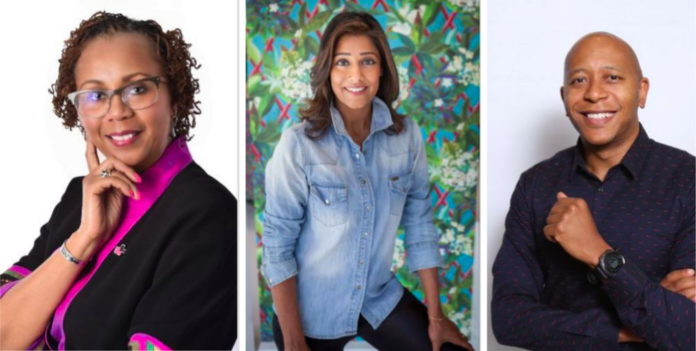
Anne Githuku-Shongwe (Representative UN Women South Africa Multi-Country Office), Suhana Gordhan (Creative Director FCB) and Abey Mokgwatsane (Managing Executive Vodacom Brand & Communications)

Loeries Masterclasses will take place on 22 August 2019, with morning sessions from 10am to 1pm and afternoon sessions from 2pm to 5pm.

Loeries CEO Andrew Human said, ‘Creativity has an incredible power to transform society. Advertising and brand communication inform opinions and create impressions, and the reality we present has massive repercussions.’

Albert Einstein believed that ‘education is not the learning of facts, but the training of the mind to think’. And training to think is the aim of the many and varied Masterclasses being offered at the Loeries Creative Week (22-25 August) at the Durban ICC.
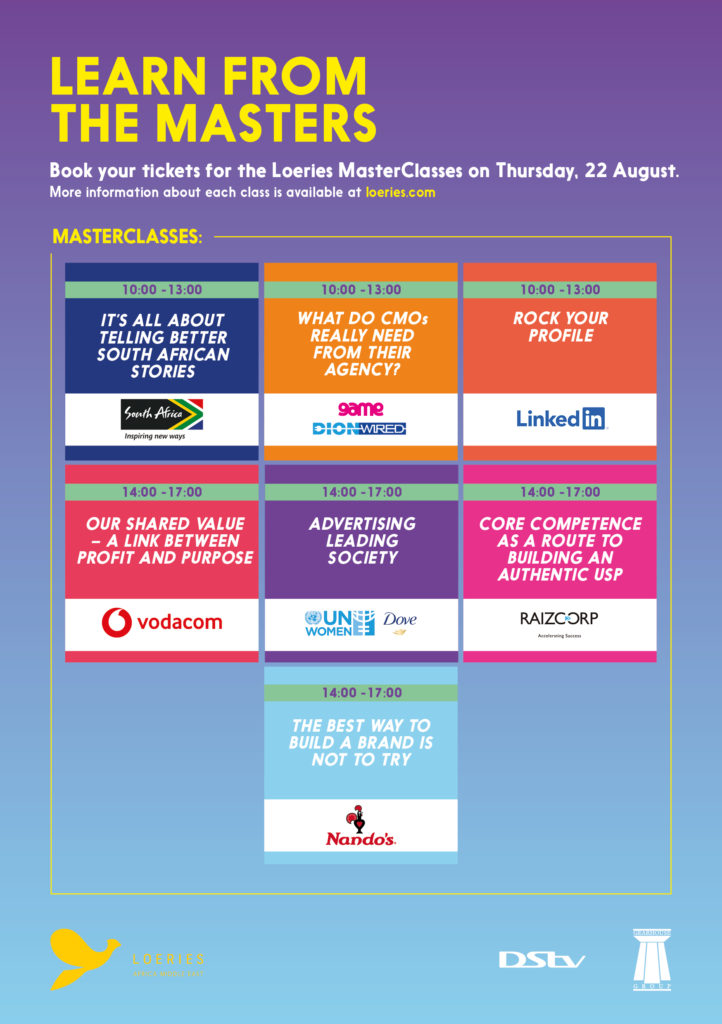
Topics for the Masterclasses have been chosen to elevate the creative and brand communications industries, to equip marketers and agencies to be leaders in society, to upend negative stereotypes, to be visionary, and ultimately, to tell better stories.

Loeries Masterclasses are priced at R430 each and touch on the following topics:

1. Advertising leading society

Panel: Anne Githuku-Shongwe, Representative UN Women South Africa Multi-Country Office, and Sphelele Mjadu, Unilever Personal Care Senior Public Relations Manager for Africa (Dove).

Topic: Advertising is a powerful tool for all business. It is also a driver for the way woman are viewed in society. The Unstereotype Alliance, convened by UN Women, seeks to eradicate harmful gender-based stereotypes in all media and advertising content, and will be discussing the topic together with Dove, a brand committed to inclusive representation in the media. Its Project #ShowUs has been hugely successful in assisting women to see themselves represented and celebrated.

2. Telling Better South African stories

Panel: Mathe Okaba, CEO of the Association for Communication and Advertising
(ACA); Suhana Gordhan, Creative Director FCB; Loyiso Bala, Channel Director TBN Africa; Yaron Assabi, Founder and Director Digital Solutions Group and Shani Kay, Managing Director Regency Global.

Topic: Brand South Africa wants you to share your stories in this interactive forum so they can identify inspiring stories that must be told and explore ways to tell them for the greater good in the world. This is the start of a new proudly South African creative collaboration with the goal to deliver distinctive work.

3. What do CMOs really need from their agency?

Panel: Journalist Joanne Joseph will lead a discussion with Sydney Mbhele, CMO of Sanlam; Andre Steyn, CMO Builders; Khensani Nobanda, CMO Nedbank; and Katherine Madley, Brand and Customer Director MassDiscounters.

Topic: CMOs from four of South Africa’s leading large corporations will discuss the merits of insourcing agencies, outsourcing agencies, how many agencies to use and reveal what they really think of the agency model today and for the future. They will also explain what they are measured on and what boards expect.

4. The best way to build a brand is not to try

Panel: Deirdre King, GM brand Experience, Nando’s in conversation with Tracy-Lee Lynch, Nando’s Creative Director with Malibongwe Tyilo, Clout magazine editor and Thabiso Mjo, Designer at MashT Design Studios.

Topic: Lessons from Nando’s on authentic brand-building go way beyond huge effort and deep into the realms of authenticity and creativity. Come and hear how brands can create their own ‘fire and soul’ to keep them motivated, to give them an edge and to keep their ears tuned into their people.

5. Rock Your Profile

Speaker: Stewart Samkange, LinkedIn Enterprise Relationship Manager for Team Africa.

Topic: Learn how to connect to opportunity using the LinkedIn platform. Samkange will show you how to optimise your LinkedIn profile and your story, what is important on your LinkedIn profile, how to build thought leadership through your voice on LinkedIn, how to gain knowledge and insights on the platform, as well as best practices.

6. Core competence as a route to building an authentic USP

Speaker: Allon Raiz, Founder and CEO of Raizorp.

Topic: Many entrepreneurs know they need to create a USP but don’t know how to build an authentic one. Raiz, who is passionate about nurturing entrepreneurs and growing profitable businesses, will give you the steps to create a lasting USP that will genuinely differentiate you in the market.

7. Shared Value – a link between profit and purpose

Panel: Abey Mokgwatsane, Managing Executive Vodacom Brand & Communications; Adelaide McKelvey, former Group Sales and Marketing Director JCDecaux; Michele O’Hara, Honours & Postgraduate Diploma Programmes Vega School of Brand Leadership and Tiekie Barnard, CEO and Founder Shared Value Africa Initiative.

Topic: Vodacom would like corporates to both create economic value and value for society, and will be encouraging brand leaders in the corporate and creative spaces to share their ideas on how we can all collectively use business know-how and services to change customers’ lives for a better future.

LOERIES 
www.loeries.com
New Urban Tribes Illustrate The Shifted Consumer Mindset

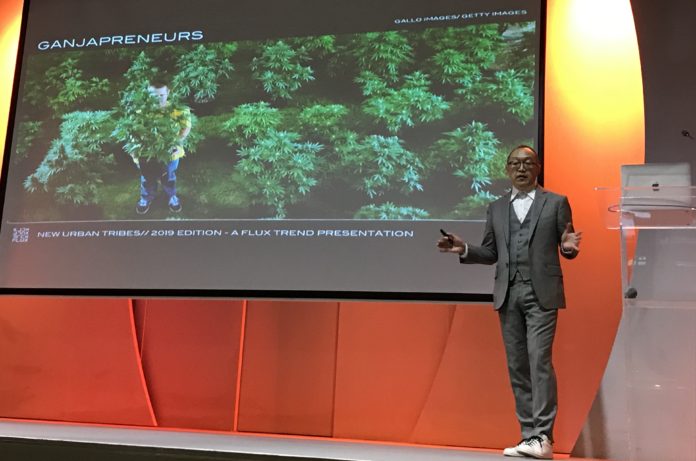
Dion Chang, Observer and Trend Analyst from Flux Trends.

Dion Chang, Observer and Trend Analyst from Flux Trends, explored newly emerging urban tribes that are shifting the consumer mindset globally as well as locally.

Chang’s presentation was based on the 2018 edition of the New Urban Tribes of South Africa Trend Briefing digital report, subtitled Consciously Diverse, which tracks the moulding of locally-influenced, yet globally-connected tribes motivated by social purpose and experience. 

According to the report, Millennials and Gen-Z are driven by diversity and inclusion, therefore their interactions within society and commercial industries leans more towards diverse and inclusive brands. Through digital platforms, conversations and social movements, Consciously Diverse tribes feel liberated to express their truths and beliefs. This creates a need for businesses to understand and empathise with these value systems, not only because members are potential customers, but because they may be part of the current or future workforce.

Shifting social norms and the knock-on effect on issues of identity bring new challenges for businesses, but also new opportunities – if they understand what makes these diverse tribes tick.

The diverse tribes listed in the Trend Briefing Digital Report include:

– The Preventionists: a burgeoning fitness tribe which includes pre-natal moms, the over 50s fit club and the ‘fit-influentials’.

– The Cleanser: the less-stuff-more-stories mindset meets the meat-free movement.

– The Neo Afro-Culturist: successful business owners who straddle their culture and the corporate world.

– Femmepreneurs: globally influential women who are entrepreneurs

– Social Media Business for Families, which include Latte Dads, millennial dads who are fully present, as well as Insta Dads and Moms: parents whose kids have a huge social media following.

– Teenprenuers: teenage entrepreneurs.

Future tribes include:
– The Modern Refugees: a ripple effect of years of global human displacement.
– Ganjaprenuers: green rush, cannabis entrepreneurs which can be viewed as an investor opportunity for crop insurance companies. They might be a threat to the Pharmaceutical and alcohol industry as there is dagga pizza, dagga beer, etc. 

Click here to purchase the Trend Briefing Digital report.


FLUX TRENDS
www.fluxtrends.com

Artificial Intelligence Leaders Gathering For The 2019 AI Summit In Africa

The AI Summit is Africa’s largest gathering of Artificial Intelligence leaders, data scientists and tech professionals and this year over 250 speakers will gather on 3 September 2019 at the Sandton Convention Centre from 10h00 to 20h00.

Attendees can expect to:

  • Prepare for an AI future.
  • Unpack AI use cases and best practice.
  • Explore the latest Data Science and Machine Learning trends.
  • Gain actionable insights on RPA and Automation.
  • Get up to speed on computer vision and NLP.
  • Discover emerging AI technologies and tools.
  • Connect with incubators, accelerators and start-up platforms.
  • Access funding, venture capital and mentorship opportunities.
  • Network with AI experts and thought leaders.
  • Fast-track your AI skills.

AI Summit www.aisummit.co.za

Association For Communication and Advertising Announces 2019/20 Board of Directors

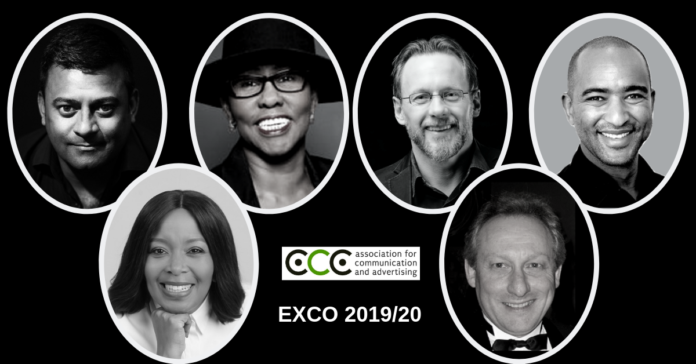
ACA EXCO 2018-2019.

The new Board of Directors of the Association for Communication and Advertising (ACA) for the 2019/2020 fiscal were elected at the 72nd Annual General Meeting held at the AAA School of Advertising campus in Johannesburg.

At the meeting, Outgoing Chair of the ACA Board, James Barty, reported on the ACA’s activities during the preceding fiscal. He started off his Chairmans’s Report noting ‘that the winds of change in the industry continue to blow at gale force.’ Adding that at both a global and South Africa specific level, the rate of change was ensuring that the industry has found itself in a constant level of flux.

Barty added that this has been exacerbated by a reduction in business confidence brought about by socio-political instability over the past year. Barty commended Mathe Okaba, appointed CEO during the period – for the manner in which she has settled into the role and for embracing the structures and practices of the association, thus ensuring a smooth and effective transition of this critical industry-leading position.

During the period under review, the ACA initiated a new relationship with the AAA School of Advertising, and the MOU put in place following the sale of ACA’s previously prized asset. Barty reconfirmed the ACA’s commitment to assisting the AAA to deliver courses and content that meet the high professional quality standards expected by the industry. In terms of the relationship, Barty singled out Sarah Dexter and the Education Portfolio team which she leads for retaining a good working relationship with the school and for continuing to hold high one of the industry’s primary roles – that of driving education and skills development.

Barty then went on to review further changes that have and will impact the industry. He thanked Odette van der Haar and Gareth Leck for their commitment to building one of the jewels in the ACA’s crown – the APEX Awards – as the programme transitions to the Effie brand.

Change was also seen within the self-regulation framework, with the transition of the ASA into the new ARB. Mike Gendel was singled out for his enormous contribution in representing the best interests of the profession in the establishment of the new body, and for the commitment he continues to demonstrate in the pivotal area of industry self-regulation.

‘Transformation remains at the forefront of the ACA’s activities, and it is pleasing that we are making continued headway in this area. I am very pleased that today the profession’s employee base stands at 60% female, and 54% ‘of colour’. There are challenges that we still need to overcome, however I encourage the next generation of industry leaders to become active within its structures and help drive not only transformation forward, but all the objectives of the association,’ said Barty.  

He thanked the secretariat for their ongoing professionalism and dedication, Prof Piet Delport for his ongoing guidance and counsel throughout the year, and bid a sad farewell to ACA CFO Russell Cory, who after 27 years of dedicated and irreplaceable service to the industry would be retiring to enjoy a well-earned rest with his family.

In conclusion, Barty thanked the Exco and the Board at large and wished the new incoming Board well, noting that they would be inheriting an association that was robust, hard-working and held in high esteem within the communities it serves.

New Board of Directors and Executives:

Wayne Naidoo: Chair CEO Duke Group
Boniswa Pezisa: Vice Chair Group CEO Net#work BBDO
Gareth Leck: Vice Chair Group CEO Joe Public United
Thabang Skwambane: Vice-Chair MD FCB Joburg
Mathe Okaba: Exco CEO Association for Communication & Advertising
Mike Gendel: Exco CEO Gendel Strategic Marketing Group
Adeshia Singh   MD Singh & Sons (Cape Town Representative)
Alistair Mokoena  CEO Ogilvy South Africa
Andrew Brand  MD 99c Advertising & Communications
Carlo Murison  Group CEO Two Tone Global
Elouise Kelly  MD Ogilvy South Africa
James Barty Group CEO King James Group
Jarred Cinman  CEO VML South Africa
Karabo Denalane  CEO TBWA\Hunt Lascaris
Karabo Songo  CEO The Brave Group
Louise Johnston MD DDB South Africa
Mpume Ngobese MD Joe Public Connect
Mxolisi Buthelezi CEO June 15 Advertising
Odette van der Haar  CEO J Walter Thompson Johannesburg
Paul Jackson  CEO Grey South Africa
Paul Middleton  CEO Ebony & Ivory
Sarah Dexter  CEO MullenLowe South Africa
Sharleen James  Group MD King James Group
Susan Napier   MD The Hardy Boys (Durban Representative)
Xola Nouse  MD The Odd Number
ACA SOUTH AFRICA
+27117812772
ceo@acasa.co.za
www.acasa.co.za

Enter The Modern Marketing T-Shirt Design Competition

Enter The Modern Marketing T-Shirt Design Competition

Designers are invited to post their ‘Explosion of possibilities in T-shirt printing’ themed designs on the Modern Marketing Facebook page. Entries close on 10 September 2019.

Competition rules:
• Submitted designs should comprise of the ‘An Explosion of possibilities in T-Shirt Printing’ theme.
• Post your designs on the Modern Marketing Facebook page.
• Facebook post captions should include the words ‘An Explosion of Possibilities in T-Shirt Printing’ along with the hashtag ‘#ModernMarketingExpo’.
• Email the posted design to thapy@practicalpublishing.co.za
• Get as many likes as possible for your design to be printed and showcased at the Modern Marketing expo.

Please note
Entrants need to get as many likes as possible by 10 September 2019 (5pm). The top 10 main designs and top five student designs will be printed and showcased at the expo. These designs will be printed and displayed onsite for the public vote.

Prizes:
First place: R3500.
Runner-up: R1750.
Third place: R1000.
Student: R2000

MODERN MARKETING EXPO 
+27114501650  
www.modernmarketingexpo.co.za

The Dangers Of Stereotyping In Advertising

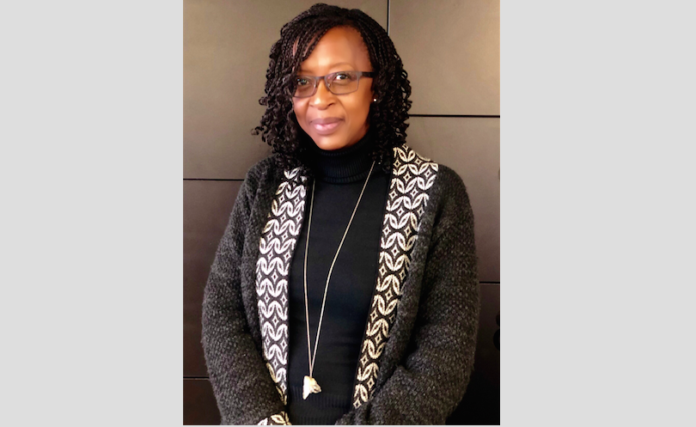
Belinda Kayton, Media Strategist at The MediaShop.

Belinda Kayton, Media Strategist at The MediaShop, discusses racism, sexism and other dangerous stereotyping in advertising. She says that there is a big difference between unacceptable bigotry and controversial advertising.

When I think of the best examples of controversial advertising, I immediately think of the Nando’s library of ads. These are controversial but also spectacular at opening up conversations that wouldn’t normally be frowned upon because this brand produces ads that say what many of us are thinking. Their latest ‘You People’ is a brilliant example. They are controversial, but not bigoted.

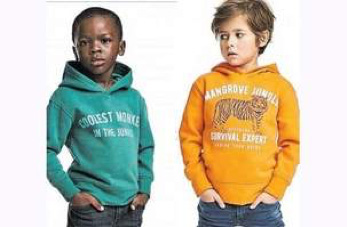
We are all aware of a recent H&M ad that caused physical destruction of some of their stores. There were two camps of opinions – one ranting that people were oversensitive and that it was blown out of proportion, and then there were those in the second camp that were extremely offended and wanted retribution. Who was right and who was wrong?

Offensive advertisements can be defined as any kind of communication that disrespects certain accepted norms of society, or offends someone. Marketers these days spend extra time to ensure not to offend anyone with their campaigns. It can be argued that this makes for some very boring advertising, but I firmly believe that ads can be both clever and exciting without being truly offensive.

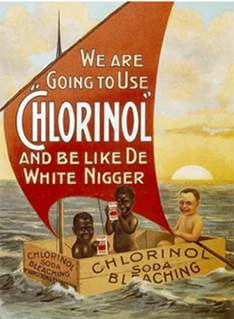
Before we look at brands doing it right, there are some unbelievably blatant racist and sexist ads that beggars belief. I can’t believe that these ads were actually approved and flighted.

Are these ads controversial? Offensive? Both?

Many remember the outcry when the Joko/Hangar TV ad first aired. The ad was made and produced with pure intentions, but it created such controversy. Was the dignity of hard-working black South African women being compromised in this ad?

Even charities can get it horribly wrong. The charity Feed A Child created an ad that was enormously racially controversial. It shows a black child being petted and fed treats like a pet dog, by a rich white woman. The message was supposed be that the average dog eats better than millions of children – but boy, was that a terrible execution of the idea!

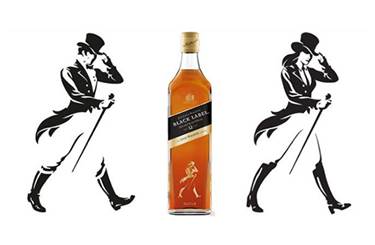
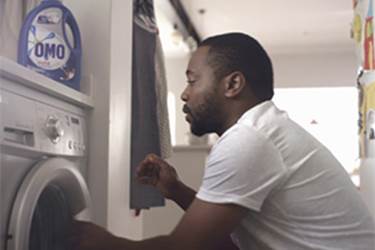
But some brands are getting it right by challenging stereotypes that have stood for generations. For instance, Johnny Walker is breaking gender stereotypes, and typically housewife-territory brands like OMO are shredding other stereotypes. Brands are also taking note of all religions and aren’t afraid to embrace this in their marketing.

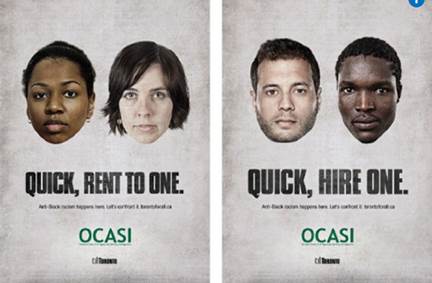
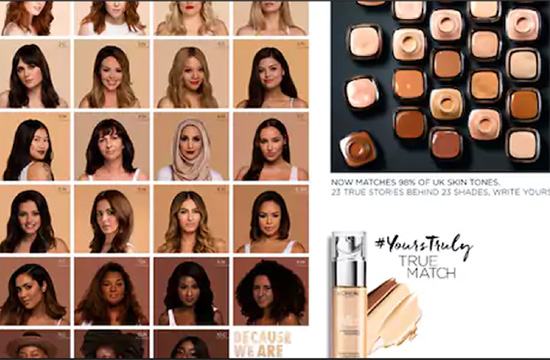
Even cities are placing ads that are confronting racism, while LÓreal is embracing all races and celebrating our differences.

In conclusion, I’ve been horrified by what in the past has been seen as acceptable advertising, but I’ve also seen brands that are getting it right as well. There’s still work to be done, but embracing each other’s differences whilst seeing what brings us together is the key to advertising to all, in the future.

THE MEDIASHOP
+27112584000 
www.mediashop.co.za

Radio Can Amplify Brands’ Messages And The Audience’s Emotional Response

Charlie Wannell, Head of Marketing at Mediamark, says research shows that radio can be one of your most powerful allies. A study by the Radio Advertising Bureau in the UK shows that radio packs a mighty emotional punch. The research shows that radio is the highest scoring medium (compared to TV and online) for increasing both energy and happiness.

EEG tests conducted for the research found that radio stimulates positive engagement activity in the brain. They also confirmed that when ads are preceded by radio editorial, positive engagement is sustained throughout the ad break.

‘We live in a media-saturated world, and the media we consume can affect our mood for better or for worse. As an advertiser seeking to create positive engagements and tell brand stories, your challenge is to tap into media that creates the right emotional response,’ said Wannell. 

Here are some of the reasons: 

1. Community creates a sense of wellbeing 

Radio fosters a spirit of community and lifestyle that can create sense of wellbeing for the listener. Whether it’s through humour or common interest, radio tailored for an audience segment connects people to each other. 

For example, one of our clients in financial services wanted to talk to consumers who identify with being ‘Afropolitan’. Kaya FM, one of the stations we represent, offers an audience that identified as Afropolitans and that share a bond through this identity. This is the sort of engaged community that is ready to make an emotional connection with the content shared over the airwaves. Clever marketers are tapping into this connection.

2. A direct connection to a voice on the air 

One of the ways radio makes an emotional connection is through the human voice and the personality of the presenter. In a digital world, many people are seeking a human touch and our ears are attuned to the tone and timbre of the voice. In an era of fake online news, the human voice on radio is still trusted.

In the financial services company’s campaign, it was the voice of one of Kaya FM’s key presenters and influencers that helped to sell the message. It was the direct bridge between the listener’s response and the brand’s prime objective. 

3. Theatre of the mind 

We’re overloaded with stimuli and marketing these days. Radio lets us immerse ourselves in a theatre of the mind and use our own imaginations to create a picture from the words and sounds we are hearing. This can elicit a powerful emotional response. 

4. A constant companion 

Radio is a comforting presence, with music and on-air banter helping us to navigate day-to-day to life. When people are stressed in traffic, they’ll tune in to find some music to help them relax or to hear the traffic reports. At work, vibrant music can infuse the office with energy during a deadline. And many of us enjoy some tunes or talk in the background while we do our chores at home.

5. Plays well with other channels 

The radio experience has always expanded beyond listening at home or in the car. People can engage with radio station news and views through websites and podcasts or follow their favourite presenters on social media. Radio can be the glue binding numerous channels and executions together, amplifying brands’ messages and the audience’s emotional response.

In the campaign mentioned earlier, the Kaya FM personality’s engaged social media audience was a key part of the success. He created content and shared it – and it rapidly went viral. Why? Because people know and trust his voice from the radio. 

The audience today is looking for authenticity, truth, information and entertainment. Radio still answers these needs in a way that resonates with the listener. Any brand that wants to make a real emotional impact should look at how radio can put a smile on the customer’s face. 

MEDIAMARK
+27112357600
info@mediamark.co.za
www.mediamark.co.za

In A Digital-First World, Managing A Company’s Reputation Is More Challenging Than Ever

Patrick Gearing, Meropa Communications CEO.

The Crisis Response Index (CRI) study by US company, Hot Paper Lantern, researched 80 companies who between them had experienced 105 significant crises. It analysed over 450,000 media articles and 85,000 social media mentions of those crises to gauge investor sentiment about the way they were handled. Patrick Gearing, CEO Meropa Communications, highlights that alarmingly, 59% of the companies were judged to have handled their crises ineffectively, with 6% simply ignoring a crisis altogether.

The new study on companies in crisis has indicated that the way you respond and the speed with which you do it – can dramatically impact on your share price, and even your future viability.

The resignation of a CEO during a crisis ‘has a positive impact in the short-term (stock prices up 1% one-month post-crisis) but a negative impact long-term (-12% one year after) indicating that while investors applaud the quick change, the bump is not long-lasting.’

Summarising its results Hot Paper Lantern stated, ‘Shareholders take notice. The speed with which a company responds to a crisis combined with the quality of the response, as measured by stakeholder reaction, profoundly impacts stock price. In a perfect world, a swift and effective response is ideal; however, if a company needs to sacrifice one over the other, taking more time to respond intentionally and with purpose, outperforms a fast response lacking resonance.’

Ted Birkhahn, President of Hot Paper Lantern said, ‘Since the data shows that shareholders have the most to lose, crisis readiness must be a board-level issue. With trillions of dollars on the line, institutional investors should be scrutinising a company’s ability to respond swiftly and effectively to a corporate crisis.’

‘In an always-on, digital-first world, managing a company’s reputation is more challenging than ever. During a crisis, CEOs and their leadership teams face intense pressure to make quick decisions that would otherwise never be made in haste, while communicators face the daunting task of publicising those decisions with speed and accuracy. The stakes are high and our CRI proves that even small delays and missteps can wipe out billions of dollars in shareholder value. How and when a company responds to a crisis is directly linked to the performance of the stock price over the short and long-term,’ said Birkhahn.

To create the Crisis Response Index and monetise the value of crisis management, the firm researched 80 companies who had experienced 105 significant crises. They analysed over 450,000 media articles and 85,000 social media mentions about those crises according to two criteria – speed and effectiveness – asking:

  • How quickly did these companies respond?
  • How effective was the response, as measured by sentiment analysis?
  • Were companies being transparent, authentic, and empathetic in their responses?
  • How were these responses resonating with shareholders?

The Crisis Response Index is described as ‘industry-agnostic’, and covers all major sectors with a fairly even distribution. Only 41% of the companies were found to have responded effectively to crisis. 24% responded to their crisis within hours, 50% in days, 20% in weeks – and 6% didn’t ever respond.

The study noted that ‘(Lack of) speed kills. Hours vs. days vs. weeks matter; when companies are slow to respond, shareholder value takes a major hit while those who respond swiftly retain more value in their stock price.’

Companies that responded within days saw an average 10% decrease in their stock price compared to a decrease of only 4% when they responded within hours. Companies that waited weeks to respond saw a ‘sobering’ 14% decrease.

However, the CRI recommended that companies choose quality over speed, ‘Although speed is important, a poor or ineffective response will inflict far more damage on a company’s stock price. Never sacrifice the quality and effectiveness of your response for speed. It’s better to be late and good than quick. Companies that responded effectively – as measured through sentiment analysis of media coverage and social media content – actually saw no change in their stock price in the two years following the crisis regardless of how fast they responded. 

‘On the flip side, an ineffective response resulted in an average share price decrease of 14% over the same period. The CRI noted that crisis handling is ‘going to get worse before it gets better’, saying that ‘sweeping technology, societal and economic trends indicate that speed-of-response will continue to hamper a company’s ability to protect shareholder value during a crisis,’ according to the study. We face a ‘precarious state of affairs’ the report notes, with ‘no indication that companies have improved at responding over time. A majority of companies still put shareholders at risk by being unprepared to deliver a timely and effective response in a crisis.’

Birkhahn said, ‘Our findings raise a number of questions. Should investors demand that companies stress test their crisis response practices? Should regulators provide oversight of those stress tests? Do CEOs and Boards have an obligation to ensure that the company’s crisis communications function is built to succeed in the digital age?’

He added, ‘The CRI data is affirmation for any communications professional struggling to prove the value of building and maintaining a crisis communications function that can deliver the goods when the going gets tough.’

Download the study here. 

MEROPA COMMUNICATIONS
+27115067300
hello@meropa.co.za
www.meropa.co.za

Havas South Africa Appoints Seasoned Strategist To Lead As Chief Strategy Officer

Havas South Africa Appoints Seasoned Strategist To Lead As Chief Strategy Officer
Tholoana Qhobela, new Havas Chief Strategy Officer.

Havas South Africa has appointed Tholoana Qhobela as its new Chief Strategy Officer. Qhobela will be leading a team of strategists who are at the forefront of the Havas insights generation using industry-defining tools such as Meaningful Brands, Havas #InRealLife and Prosumer Reports. Meaningful Brands analyses the extent to which brands can forge a meaningful relationship with their target audiences and Prosumer Reports are near-future projections and analyses of consumers behaviour.

‘I am a culture curious, frustrated nomad. When I returned to South Africa, my aim was to give all of that which I learnt abroad – as a social anthropologist who had long decided commercial application was better than the academic space. And so joining team Havas is part of that continuum – to continue applying what I know best to a real commercial value proposition that impacts people positively. I love that the strategy team is already on a continuous journey to uncover and share real human insights from people’s lived experiences. There’s a lot of similarities with my approach to insight generation, particularly with meaningful content in mind,’ said Qhobela.

‘And the Vivendi offering that Havas can bring to the table is interesting. No other agency comes with a heightened content development presentation that incorporates gaming and development through GameLoft and music and entertainment through Universal Music Group like this, and it will be very exciting to walk into market with this unique product,’ she concluded.

Qhobela started off as a Strategist with Ogilvy and upon her tenure completion, she sat on the board and was a shareholder. With over twenty years in the industry, she has worked on global leading brands such as Coca Cola, Vodacom/Vodafone, DStv, Konica Minolta, MTN and leading South African brands such as Liberty Group and Cell-C, to mention a few. 

Qhobela has also worked with White Hall Trading & Projects, Consumer Insights Agency, Berge Farrell Company, Masters and Savant, Metropolitan Republic, Ogilvy PR, The Jupiter Drawing Room and South African Tourism. Some of her professional achievements include speaking at the World Economic Forum and the Design Indaba; judging the Telkom Journalism Awards and AdFocus Awards; being nominated in the Mail and Guardian 200 Young South Africans; and participating in the International Media Forum and SABC’s Women on the Move.

She is a University of Manchester and University of Cape Town alumnus. She has lectured in the Ogilvy South Africa Training Programme and the Unilever Advanced Brand Communication Programme.

Lynn Madeley, CEO of Havas Southern Africa said, ‘We are excited to be welcoming Qhobela into the fold. She is a seasoned strategist and her vast understanding of the creative industry, having worked both from the agency side and from the client side, is just perfect for this role within Havas group. She joins a team of top performers in our industry, which is testament of our commitment to Africa. She has a keen understanding of content, particularly the importance of its meaningfulness to a consumer who is connected and well informed.’

‘Qhobela has a great affinity for education and training and that aligns beautifully with Havas Academy, our internship and training and development initiative focused on empowering black South African women in the marketing and communications industry. Her guidance will bolster our offering to young black women who want to get into marketing and communication, and therefore, our total contribution to the industry as a whole,’ said Madeley. 

HAVAS SOUTH AFRICA
+27115493600
info@havas.co.za
www.za.havas.com

FCB Joburg Helps Launch Limited Edition Toyota Hilux GR-Sport

FCB Joburg decided to leverage Toyota’s Dakar equity – which features unbelievable driving and the inquisitive meerkat family and their ‘nod’ – across TV and cinema, radio, Out-of-Home, brochures, print, point-of-sale and digital (including a website) for the new limited edition Toyota Hilux GR-Sport.

The Hilux GR-Sport has bold and expressive styling. Its features include a black honeycomb grille, red or white outline on the LED fog lights and a special serial number plate. Toyota Gazoo Racing lettering also features on the sides and tailgate, while inside, Gazoo Racing red accents match the black interior and Gazoo Racing branding adorns the headrests, floor mats, and start button.

Toyota Marketing Manager, Lensha Dlamini said, ‘The Hilux GR-Sport is designed to appeal to the ‘dashing expressives’, people who want a vehicle that delivers performance and off-road capability, as well as styling. They believe their Hilux is an extension of their lifestyle and enjoy motor sports, outdoor activities and off-roading. Our brief to FCB Joburg was to – quite simply – put the Hilux GR-Sport well and truly out there.’

The ad was shot over two days in Cape Town with assistance from The Redhead Studio and Bird on a Wire. FCB Joburg’s Creative Director, Tian van den Heever, explained, ‘Every time a rally driver and his navigator traverse an obstacle – a dune, an anthill, a ‘donga’ – they respond physically. First, there’s the widening of the eyes. Then, their heads tilt back, before they wobble around uncontrollably as they land. We claimed this as the #TEAMHILUX nod in our 2018 ad as a mechanism to include all Toyota Hilux drivers in #TEAMHILUX as part of the family, so to speak.’ 

‘The #TEAMHILUX nod was quickly adopted by many South Africans and used as a mark of acknowledgment from one to the other. For Dakar 2019, we brought in a family to help us up the appeal. Today, they’re no strangers to South Africa’s and the world’s screens, and – as desert icons themselves – were ideal to give the new Hilux GR-Sport the ‘nod’,’ van den Heever concluded.

FCB AFRICA 
+27115666000
www.fcb.co.za
This is Modern Marketing