Home Blog Page 301

Opportunities For Brands To Get Ahead In eSports

According to Attic Rush, there is a gap in both the local and international market for brands to get ahead in eSports (competitive gaming). Over the past five years, eSports has progressed from being a niche gaming subculture to a growing cultural phenomenon.

The industry is attracting millions of online viewers per month via livestreaming sites like Twitch and YouTube, according to marketing analytics site ESports Charts. Below are five things to know about eSports:

1. It is not just a trend, it is here to stay

From ESPN launching a new vertical for specific eSports coverage to Overwatch being the first franchised gaming league, the sports industry is rapidly changing right before our eyes. The eSports industry is projected to reach at least 557 million viewers by the end of 2020 and easily generate over $1.4 billion in revenue. As eSports investors and game creators break new ground, keep an eye out for more ways fans can experience their favourite eSports games as pop-ups, sports bars, eSports arenas and casual eSports watch parties.

2. It is complex and not a one-game-fits-all system

Unlike traditional major league sports where athletes play a single type of game, eSports athletes are scattered across a variety of game types that each comes with its own nuances and audience types. It is important to know that the term ‘eSports’ encapsulates every professionally played game from mobile games that typically attract a younger audience to first-person shooter games that draw in a more male adult-skewed audience.

3. It is a worldwide entertainment phenomenon experiencing explosive growth

While the epicentre of eSports started in South Korea and across Asia, in the past 15+ years, it has quickly spread across the world. Industry experts predict global eSports revenues to hit $905 million in 2018 (last available figures), an incredible 36% increase from 2017’s $655 million.

With a compound annual growth rate of 8.2% from 2016 to 2020, the eSports industry is gaining ground across the globe with Asia, North America, and Western Europe charging ahead by capturing 85% of the global eSports audience. Likewise, the estimated 13.5% year-on-year audience growth is attributed to the improvement of IT infrastructure in Latin America and the Middle East, game franchises, and an influx of young viewers around the world who view eSports as a valid entertainment medium. As Asia maintains its stronghold with the biggest gaming audience, franchising and live events have placed North America as the top revenue generating market, set to reach an impressive $345 million in 2018.

4. It is leading the world’s charge towards modernised, live-streamed entertainment

The allure of eSports is its ability to connect the audience to the eSports players, streamers and other fans in the community in real-time, all the time. With the likes of Twitch and other platforms to better support players and develop their fan communities, audiences are actively engaged for long periods of time (averaging 100 minutes per spectating session).

5. The state of eSports advertising

While your typical major players (like Coca-Cola and McDonald’s) have been eager to jump on the eSports bandwagon, the lion’s share of video game streaming advertising goes to gaming-related brands. This is primarily due to the preferences of eSports fans — Digiday reports that 70% of fans preferred promotions from gaming brands.

A large portion of eSports advertising is in sponsorships. According to PMG, eSports saw over 600 sponsorship deals between 2016 and 2017. In 2018, eSports revenue totalled $906 million — with 40% of that revenue originating from sponsorships. Platforms and networks like HelloGamers were even founded with eSports sponsorships in mind. Another 19% of 2018 eSports revenue originated from advertising in other forms — still a relatively new way to spend nearly $175 million on advertising. And that number will most likely continue to rise.

Attic Rush
charlie@atticrush.com
www.atticrush.com

Creativity, Humour And Cool Factor In Social Media Content

Anathi Kumalo, Social Media Manager at Grey Advertising.

Anathi Kumalo, Social Media Manager at Grey Advertising, says content overload has been prevalent when it comes to social media, which is not always a bad thing, as there is some content people just cannot get enough of.

During the pandemic, social media has been a good distraction. Many people have turned to it to find entertainment or even to create amazing content that brings comfort and laughter to others. Whether through storytelling in skits or showing real-life hacks and situations that expose the common (but understated) quirks of humanity, Covid-19 content has achieved relevance and relatability on social media.  

Some may think that the idea of ‘content is king’ is overrated, but it still proves to be true – ask the millions of ‘influencers’ who have learned it (and brands that have mastered it) during the pandemic. With platforms like TikTok – and the newest player in the game called Reels – user-generated content is bigger than it has ever been. Both of these platforms have become hang-out spots for content creators to express themselves and their creativity, letting normal people take centre stage.

One could say that social media has mainly played a negative role during the pandemic, with it being the cause of a lot of miscommunication and misinformation, resulting in fear and panic. The spreading of fake news is one example. However, we must remember that billions of people around the world have also used it to connect with friends and loved ones, and to keep in touch with what is going on in the Corona world around them. In addition, governments and businesses have shown support to their consumers and employees by trying to provide as much factual information as possible about what is happening. 

Creativity, humour and the coolness factor

Content is still king and the new generation of content creators are not wasting any time or opportunities. From simple make-up tutorials to entertaining brand spoofs, this group of young, creative people do not need paid media to boost their posts for reach and engagement – they just know how to produce quality content that resonates with their audience and gives people what they want.

These cool kings and queens know how to grab the attention of an audience and challenge the traditional ways of advertising and content production. You can simply be sitting on your couch with a creative idea and a camera, and that is all it takes. Going off-script is nothing new for these guys and gals. It is their way of personalising brand messages to create relativity and authenticity in their delivery. 

With TikTok being a highly competitive platform and new trends popping up every day, the key idea is to stay relevant. The trick? Producing content that includes any of these factors: humour, how-to tutorials, or something that inspires awe. Who doesn’t like to laugh, learn how to do something new, or watch something cool, right?

Whatever you do on social media, someone is always watching the content you create. Some TikTok creators choose to take a reactive approach to creating content. With all the craziness in the world, there is just so much to talk about. For example, some talk about what is happening around them, while others react to what brands and celebrities are saying or doing. Parodies thrive, which is why content creators are winning and, with apps like TikTok and Reels, you’ll often find yourself watching people lip-sync to user-generated soundbites, popular music or even famous speeches.

The content brands should be creating

Now that we agree that content is king, there are two things brands need to consider:

Create content that elicits an emotional response and makes people want to do something after encountering it. For example, by making the product so appealing that it is Instagrammable and people want to share or engage with it, without the brand having to feed them a call to action. 

– Diversify content, and do not restrict it to a specific target audience because your product may have a different appeal to other target audiences. Do not create content that is only skewed to a specific gender or age group, or that generalises how your product is used by the consumer. An enlightening example would be sportswear, which is not only bought for sporting activities but has been fused with fashion.

Therefore, it is vital for brands to continuously research consumer behaviour and remain in touch with how their products are being used. This will enable them to create relevant social media content and highlight the sentimental associations that consumers have with their products.

GREY JHB
www.grey.co.za

Building Brand Trust Through Customer Experience And Privacy

A Competitive Edge Earns Customer Loyalty
Paula Sartini, founder and CEO of BrandQuantum.

Paula Sartini, founder and CEO at BrandQuantum International, states that privacy management is critical, not only as a compliance tool for legal and compliance practitioners but also as a tool for building trust with customers.

As such, marketers have to be involved in privacy programmes to establish trust and deliver the best user experience to meet customer expectations, which include treating customers in a manner in which they feel respected and valued.

Customer privacy is under the spotlight as South Africa follows in the footsteps of Europe’s General Data Protection Regulation (GDPR) and other privacy regulations that have come into effect across the globe.

The newly implemented Protection of Personal Information Act (POPI Act) aims to govern how organisations collect, store and use personal information and while compliance and governance have traditionally fallen under the legal department’s domain, this is changing. Marketing departments can no longer ignore their role in adhering to the requirements of the POPI Act.

While customers are willing to disclose personal information and have this information used by an organisation, they want to know that the company has procedures in place to protect their individual privacy. According to Deloitte, data privacy is about more than keeping hackers at bay, it is also about assuring consumers that the trust they place in a brand is warranted. 

What is privacy worth?

Customer privacy and its importance for business and profitability is gaining attention as consumers are increasingly aware that companies are collecting their data and do not know what it is being used for.

Consumers are increasingly concerned about their privacy, with the PWC Consumer Intelligence Series: Protect. Me citing that as many as 85% of consumers will not do business with a company if they have concerns about its security practices. Further, if companies have privacy scandals associated with them, it eliminates the potential brand from being considered during the selection process of the buyer’s journey, thereby decreasing the chances of being chosen for purchase.

However, as many customers are not experts on data privacy, they expect the brands that they trust to put their privacy at the centre of all decisions they make. In other words, the trust that consumers place in brands trickles down to the privacy measures they believe the brand has in place to keep their data secure.

Trust and customer privacy go hand-in-hand and companies need to live by their brand promise and protect their customer’s data if they are to meet customer expectations and establish a relationship of trust. 

Customer experience builds brand trust

Although marketers have traditionally used customer data, gained either directly or via third party sources, to develop targeted campaigns, consumers needs have changed. While customers want personalised experiences and targeted campaigns, this needs to be balanced with compliance and privacy requirements.

Transparency is critical to this process. Customers are more likely to give companies their data if they know that they are collecting it and what they will be using it for. This is supported by Deloitte’s 2019 US Retail Privacy Survey. Investing in building trust through consumer privacy can deliver a measurable return with 73% of consumers stating they are more likely to share data with companies that have privacy policies in place and advise how their data will be used.

In essence, customer experiences develop trust and the data companies collect should add value to the consumer. Consumers want customer-centric user experiences that deliver on the brand promise while adhering to privacy policies. To achieve this, the customer has to be central to the business strategy, which includes the marketing and technology strategies that need to drive brand security.

Implement privacy by design

Legal, marketing and IT departments need to work closely together to ensure that the proper privacy standards are adhered to, brand experiences delivered according to the brand promise and customer data is secure all times. As such, marketing departments are becoming more reliant on IT departments to gather customer data and implement technology solutions to deliver on-brand experiences that adhere to brand security standards and maintain relationships of trust with customers. 

Companies stand to benefit from using technologies that have been independently tested and align with European security standards to give customers and employees peace of mind that data is gathered and stored securely. Further solutions that have been designed with security upfront to include segmentation of risk ensure that content is safeguarded and secure throughout the data storage and usage processes.

Consistency gives peace of mind

The increased focus on customer privacy means that marketing departments need to keep customers informed that they are collecting their data and how they are using it. They also need to ensure that they are engaging customers on their terms according to the data they have collected.

It is equally important that marketing departments pay close attention to brand consistency across all company platforms such as websites and emails as this reassures customers that the company takes their privacy seriously. When companies pay attention to the smallest details in their branding, it gives customers peace of mind that they take their brand seriously and will have put thought into the brand security, privacy policy and strategy.

Trust is marketing’s responsibility

Customer privacy can no longer fall solely in the domain of the legal department. Customer privacy has to move beyond checking compliance boxes to ensure that the company adheres to privacy regulations that have been stipulated by the government. Rather it is about focusing on the customer and prioritising trust.

To enhance customer experiences and build relationships of trust, marketing departments need to play an active role in establishing privacy or trust policies, implementing brand security measures and putting the customer at the centre of these strategies. Customers seek transparency and confirmation that companies will protect their data while balancing this with personalised customer experiences.

Overall marketing departments need to invest in privacy and take it seriously. From the newsletters companies send to pop-ups on websites and the technology solutions they implement to help deliver customer-centric experiences, customer privacy and brand security needs to be at the core.

BRANDQUANTUM
www.brandquantum.com

Barrows Global Launches Sustainable Circular Retail Display

Barrows Global has launched a promotional display fit for a circular economy. The PolyAl unit addresses wastage by using a permanent upcycled core structure that is regularly recladded with a new brand campaign.

Barrows’ challenge was to design a temporary display that could meet the requirements of the dynamic and ever-changing in-store environment while using resources efficiently and eliminating waste.

The result is a reusable unit that requires up to 90% less corrugated board than traditional temporary displays. PolyAl units are revolutionising physical retail as brands that rent these displays enjoy a 37% carbon saving (as verified by The Green House, an independent third party).

The upcycled core

Barrows was approached to find a second life for the material ‘PolyAl’, made from the plastic (polyethylene) and aluminium layers of post-consumer long-life liquid cartons that Tetra Pak and Gayatri Paper Mills are diverting from landfill. After a year of research and development, in partnership with Perspex SA, Barrows was able to manufacture a PolyAl core upcycled from 3500 long-life cartons, hence the name the PolyAl display. This reusable core is customisable with adjustable shelving, allowing for varied product heights and sizes. It is shipped flat-packed to retailers and is designed to be easily assembled and disassembled for end-of-life recycling.

Barrows design, manufacture and install the PolyAl displays at retailers. The core units are asset tracked and Barrows takes responsibility for the maintenance of the units, which are uplifted and recycled into new displays at the end of 24 months. Brands book space in-store with the retailer and rent the displays from Barrows on a monthly basis.

Joss Myers, MD Barrows Africa said, ‘Retailers own the space that the displays occupy and their buy-in for this concept is critical. Dis-Chem, a leading South African drug retailer, is the first to adopt the programme. The first 505 PolyAl displays have just been installed in Dis-Chem stores nationwide. These units have diverted 1.8 million long-life cartons from landfill and by the end of the year this number is expected to reach 3.5 million as the programme grows with Dis-Chem.’

‘The response from our store managers and customers has been overwhelmingly positive,’ said Mark Norton, Group Marketing Manager at Dis-Chem. ‘Freestanding display units are vital to our business, as they are designed to attract consumers and move stock quickly. Not only are the PolyAl displays made from recycled materials, but they are fully recyclable, which aligns with Dis-Chem’s commitment to be more environmentally responsible.’

The first brands supporting the programme include the Dis-Chem house brand Greener Living, Unilever’s multibrand Spring Clean, Red Bull and Celltone Skin Care. ‘In light of our current environmental crisis, many brands and retailers are becoming increasingly committed to reducing their environmental impact,’ explained Jenna Bleloch, Head of Sustainability at Barrows Global. ‘The PolyAl units are an in-store solution that is consistent with these goals.’

BARROWS GLOBAL
www.barrowsglobal.com 

DNA Brand Architects Highlighted In Adweek’s Top Ten International Category

Sylvester Chauke, Chief Architect at DNA Brand Architects.

DNA Brand Architects has ranked number 39 on the Adweek 100: Fastest Growing feature that honours the 100 top agencies and 10 top solution providers — large and small, from all over the world — whose industry presence is on the rise. This distinction is awarded to those organisations that have achieved exceptional growth over the past three years. The agency is also highlighted in the Top Ten International category.  

Even in the face of adversity, these Top 100 quickly growing agencies in every category, from creative to B2B, performance to full-service, illustrate why brands rely on their expertise and resourcefulness to ensure success. 

Sylvester Chauke, Chief Architect at DNA Brand Architects said, ‘The agency landscape is under immense pressure and margins are getting smaller and smaller. Over and above this, in 2020, we had the Covid-19 global pandemic that added another dimension to manage survival and growth in the last six months. So it goes without saying that we are grateful for this recognition by Adweek for the trajectory in the last three years. We are encouraged by our strategy and approach to growth because we know that this growth is brilliant for our people.’

‘This year has been interesting for our evolving industry, but it also unleashed ground-breaking creativity and innovation throughout our services of communication strategy, implementation and everything in-between. This recognition is a testament that there is still room to rise and succeed beyond where we are,’ he concluded.

DNA BRAND ARCHITECTS  
(+27 11) 456 8784
info@dnabrand.co.za
dnabrand.co.za

Reinventing Your Brand Amid Digital Disruption

Shamesh Padayachy, Head of Design at Eclipse Communications.

Head of Design at Eclipse Communications, Shamesh Padayachy, says there are several ways for brands to increase visibility, attract and retain clients, and improve online ranking against competitors.

The shifting media landscape and the greater amount of time consumers are spending online have forced brands to rethink how to better use their digital platforms and become content creators in their own right. This is especially important today as increasingly more websites and social media platforms are transformed into e-commerce sites.

Own your space

Owned media is a cost-effective way to build relationships with existing and potential clients. When supported by strong search engine optimisation (SEO) and paid media strategies, owned media can ensure higher visibility of content, broader reach, greater lead generation and enhanced competitor differentiation.

Looks to match

Websites are the window into brands’ online presence, and according to WebFX, investing time and effort in either building a website or redeveloping one to meet business objectives is essential to success.

94% of first impressions relate to a brand’s website design.
75% of website credibility comes from design.
89% of consumers shop with a competitor after poor user experience.
74% of users are more likely to return to mobile-friendly websites.

Good websites improve conversation rates, primarily through calls-to-action and landing pages. They also increase site traffic and decrease bounce rates. The key to successfully building or redesigning a website’s homepage lies in simplicity. In addition to using targeted keywords, today’s SEO algorithms judge the quality and relevance of content as key drivers for ‘top of search’ placement.

Top SEO trends for 2020

A strong SEO strategy is critical for driving and increasing website exposure and capitalising on emerging trends. While it is important to be aware of all search engines, to win big, brands need to play by the rules of the most used search engine: Google.

Here are some of the SEO trends that need to be on brands’ radars in 2020:

1. Understanding BERT

Artificial Intelligence (AI), deep learning and machine learning have advanced search engine capabilities and Google’s Bidirectional Encoder Representations from Transformers (BERT) is transforming how search engines work, compelling brands to focus more strongly on quality and relevance of content as opposed to merely using keywords to get noticed.

2. Getting to grips with featured snippets

Using bite-sized summaries of articles that appear at the top of a search, Google provides quick answers or summaries with a content snippet from a relevant website. These featured snippets are most likely to show up when a user’s search is in the form of a question. Achieving a featured snippet involves directly answering users’ questions within the first 55 to 70 words of an article. While there are no guarantees, getting this right can enable Google to use a direct quote to appear in the form of a snippet.

3. Speaking the right language

Voice search capabilities have enjoyed a surge in popularity as mobile device technologies evolve and users turn to their devices for information on-the-go. As such, SEOs need to optimise search results for how users speak and not only how they type. Keywords are no longer enough. SEOs need to include long-tail questions that users may ask.

4. Mobile SEO first

Earlier this year, Google announced its switch to mobile-first indexing for all websites, commencing in September 2020. This means Google will now analyse a website’s mobile content to determine its ranking across all device types, whereas in the past, this was indexed according to how content rendered on desktop devices alone. SEOs now need to consider how a website’s mobile content reads, appears and renders on mobile platforms before focusing on desktop renderings.

5. The role of video

Forrester Research reports that video is 50 times more likely to show up on the first page of a search page as opposed to a site consisting of content solely made up of static text and images.

Although not always a guarantee of landing the top spot, creating embedded videos that support existing content can drive an increase in organic traffic from search engine results pages (SERPs).

Top SEM trends for 2020

Search Engine Marketing (SEM) is the key to expanding website exposure and increasing visibility for brands. While trends such as voice search and video advertising are making headlines in SEM strategy, digital excellence outlines additional trends that digital marketers need to consider:

1. AI and automation driving PPC

Pay-per-click (PPC) automation using AI and machine learning will assist in automating labour-intensive tasks associated with ads on various search engine platforms.

2. SEO and SEM joint usage

In the competitive landscape, SEO and SEM are the perfect pair. The data collected from paid campaigns can inform SEO on the most effective keywords to help boost organic rankings, while organic SEO can identify keywords worth bidding for.

3. Responsive ads

Expected to be increasingly relevant as they develop and become even more intuitive, responsive ads will save both time and money that would otherwise be used to test ad copy on search engine ads.

4. CRO now a must rather than a maybe

Conversion rate optimisation (CRO) is a no-brainer in today’s digital landscape. CRO should address and fix any leaks in the conversion funnel, thereby converting maximum traffic from search engines and promoting better ROI from search engine ads.

ECLIPSE PR
eclipsepr.co.za

Positive Dialogue Announces Influencer Marketing Business Division

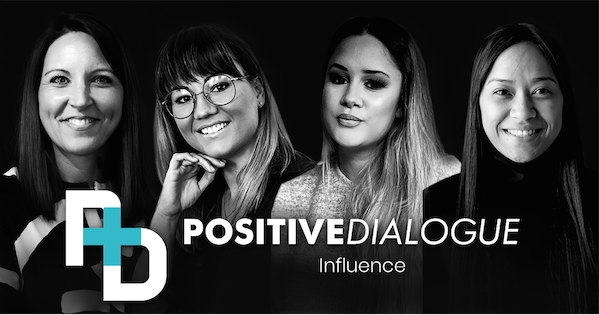
Positive Dialogue, in partnership with Duke, has launched its specialist influencer marketing division. It will offer its unique hybrid blend of authentic human connection underpinned by artificial intelligence and machine learning, a move that Managing Director Tracy Jones said hits the sweet spot where being culturally relevant overlaps with data and insights.

The division will be headed by influencer and renowned content creator Natalie Roos as it gears up to offer its clients best-of-breed communication solutions in a post-pandemic world. Roos has had a glittering career, with most of it spent in the travel sector, on influencer campaigns for major tourism brands such as Reunion Island Tourism and the Stellenbosch Wine Route. Her team is boosted by the arrival of PR professional Crystal Raman, who joins as campaign manager, while Kasheefa Meyer shores up the execution arm of the new division.

Positive Dialogue is part of the Duke Group of companies. ‘This launch was the next logical step in the Duke Group’s overall strategy, with all the agencies in the group fitting together like puzzle pieces that reveal the big picture: an insights-driven, 360 degree brand and communications solution. Duke is making big, bold moves as it bets on the future of our industry on this continent and beyond. We don’t chase accolades for the sake of winning awards, however winning Best Influencer Marketing Campaign alongside our Duke partner Mark 1 provides the validation and impetus to take our influencer marketing to a new level.’

‘Our influencer division works in parallel to the existing Positive Dialogue PR business with its proven skillset, as well as intimately with Duke’s other businesses, such as digital creative agency Mark 1, for example, where content created in our campaigns can be amplified with a paid media strategy with our expert in-house partners,’ she said.

Roos will lead the Positive Dialogue Influence team from Nairobi, Kenya, a strategic coup, opening Africa’s borders to clients. The rest of the team will sit alongside Positive Dialogue’s extended team and important partners in the Duke Group, such as CEO Wayne Naidoo, Brand Strategist Steve Miller, and Suhana Gordhan, who recently joined the Duke Group as Executive Creative Director. They are all an integral part of the ideation team.

Roos has worked on integrated, content-driven digital campaigns for brands like Old Mutual and Land Rover and won brands such as the Protea Hotels group and Pepsi. She is also an accomplished digital media editor, having served numerous positions at the Associated Media group.

‘Having had the opportunity to work as an influencer myself, I have experience working on campaigns with brands such as Cotton On, Capitec Bank, Volkswagen, Adidas, Attitude Hotels and many more, creating content that both resonates with my audience and effectively communicates the brand’s message. My passion is content excellence,’ said Roos.

POSITIVE DIALOGUE 
tracy@positivedialogue.co.za
positivedialogue.co.za

Hoorah To Tell A Unique Story While Growing The Bain’s Brand

Hoorah Digital has won the coveted Bain’s whisky account and will be taking a data-centric approach, helping to both build Bain’s unique story as well as establish the South African whisky category.  

Hoorah Digital will deploy its expertise in, among others, brand strategy development and creative design to deliver a multipronged digital approach that differentiates the Bain’s brand, and boosts audience affinity. 

Shaune Jordaan, Hoorah Digital CEO said, ‘It is an honour to be doing business with them, and we are looking forward to doing work that pushes the boundaries, both in terms of approach and execution.’

‘We were energised by Hoorah’s approach and believe they are the right partner to help drive the Bain’s messaging and ethos into the future,’ said Dino Araujo, Spirits Category Marketing Manager at Distell. 

HOORAH DIGITAL
www.hoorahdigital.com

Digital Signage Can Increase Brand Awareness

According to Grant Kruger, Business Lead ID/IT at LG Electronics South Africa, digital signage displays can be used to show text, images and videos, but they can also be used to create interactive experiences with the viewer.

Digital signage is redefining in-store advertising and marketing experiences. In fact, research has found that digital signage has the ability to increase brand awareness by 47.7%. This is largely due to the fact that it’s a form of marketing that can reach a wider audience due to its versatility and because it is set up exactly where consumers are.

This technology can help businesses build relationships with other organisations in their industry and can quickly and effectively communicate their value propositions to consumers. This makes digital signage an important element that businesses should consider when working on their marketing mix. If your company is looking to reach a wider audience in an engaging way, these are the digital signage trends you should be paying attention to.

LED displays are leading the way

The quality of digital displays has continued to improve and evolve over the years. The hardware behind some of these state-of-the-art digital signage devices is impressive. Screen quality has been improved to offer a fully immersive experience. 

Improved technology has allowed manufactures to lower their costs when it comes to producing LED displays. This has allowed more businesses to access this form of marketing, and the customisable nature of the displays makes it easy for businesses to quickly change their creative without the added cost of design, printing and labour. 

Improved in-store experience

Interactive signage options can add to the customer experience. From touch-screen selections to slide-show product offerings and even self-service kiosks, digital displays mean that customers can explore product options, in-store specials, browse menus, and make selections based on what they are viewing. These devices can decrease pressure on in-store staff by making it easier for customers to make decisions and reduce waiting periods when queuing.

Artificial intelligence comes into play

When combined with artificial intelligence, digital signage has the power to really provide customers with personalised and engaging experiences. The customisable displays mean that AI can be used to automatically show more relevant content on the screens. Displays can be programmed to show changing content depending on factors like the weather, the number of people in a shopping centre, or the time of day. Directing people to food outlets at lunch time or stores that sell umbrellas when it is raining is made possible by AI.

Enables interactivity

A personalised approach to marketing goes a long way, and there is increasing focus on creating engaging experiences to stand out from other advertising messages. By providing an interactive experience, customers will engage with your brand’s content, creating a lasting connection. The fact that users can actually touch and change content on displays means that they will automatically have a more memorable experience with them. Because quick, seamless changes can take place based on the customer’s selection and feedback, they feel like they are in control of the messaging. This, when paired with the impressive image quality and vibrant colour of displays, makes them a powerful tool in a marketer’s arsenal.

Digital signage and its effectiveness are something that businesses and their marketing executives cannot afford to ignore. It is a cost-effective option when it comes to in-store marketing that can improve the quality of advertising material on display. 

LG ELECTRONICS
grant.kruger@lge.com
lg.com/za

New Generation Awards Announces 2020 Winners

The New Generation Awards hosted a virtual ceremony on 25 September, where they announced the winners of the 2020 Social and Digital Media Awards.

Well over 400 entries were received this year. Stephen Paxton, founder and owner of the awards, commented, ‘Setting a standard for others to follow, we set the benchmark high and delivered a spectacular, fully interactive virtual awards ceremony.’ Paxton added that 2020 has been all about change, innovation and maintaining positive mental attitudes, as well as learning to adapt one’s business model and work ethics to suit current situations – situations that none of us could have prepared for.

‘Teams have become more technically minded, and smarter strategies can be seen across multiple platforms, resulting in clever content and greater reach. The engagement and results achieved with lower budgets have been phenomenal. We saw greater focus on community engagement based campaigns and the innovation shown by brands to capture audiences throughout the past 12 months – especially over the past 6 months during lockdown – has been second to none,’ said Paxton.

Winners:

Best social media reach from an event

• Silver winner – KFC SA: Playmakers Sponsorship – #KFCProposal.

Best online competition

• Gold winner – Telkom South Africa: Artifact Advertising – Telkom Black Friday.

• Silver winner – Microsoft – Xbox: Clockwork – Control your Discount.

• Bronze winner – Jameson: Rapt Creative.

• Bronze winner – Reboost: Hellosquare – #PowerUpChallenge.

Most innovative app developed by a corporate

• Silver winner – ForKeeps: Keeping Memories Forever.

• Bronze winner – The Nelson Mandela Foundation: Flow Communications – Nelson Mandela Annual Lecture 2020.

Corporate awards

Best revenue generating marketing campaign or event

• Gold winner – Vodacom South Africa: Ogilvy – Shake!Up Summer.

• Silver winner – Weylandts: Digital Optimisation – Lockdown Winter Sale.

• Silver winner – ABInBev: Vizeum and DraftLine – Stella Artois #SaveMySpot.

• Bronze winner – Barloworld by The Riverbed Agency: Barloworld Khula Sizwe.

Best use of technical innovation

• Gold winner – Vodacom South Africa: Wunderman Thompson – Vodacom Social Media Command Centre.

• Silver winner – Western Cape DoH: Covid-19 Public-Facing Dashboard.

• Bronze winner – Castle Lite: Promise Group – Cold Tracker.

Excellence in content marketing – sponsored by JustPalm

• Gold winner – Nestlé -KitKat: Joe Public Connect – Take a break and celebrate your city.

• Silver winner – Capitec: John Brown Media South Africa – Capitec Move campaign.

• Bronze winner – Chicken Licken: Joe Public Connect – Everyone’s talking about it.

Best online PR campaign

• Gold winner – Suzuki South Africa: Penquin – #DoYou – Suzuki S-Presso launch.

• Silver winner – Nedbank: Levergy – #TeamUp4KZN.

• Bronze winner – Tiger Brands: DNA Brand Architects – Tastic #MyHeritage Campaign.

Best integrated marketing campaign by a corporate – sponsored by JustPalm

• Silver winner – Vodacom South Africa: Ogilvy – Shake!Up Summer.

• Bronze winner – Sabric: So Interactive – Some things shouldn’t be shared.

Best low budget campaign – sponsored by JustPalm 

• Gold winner – Telkom South Africa: Artifact Advertising – Telkom Black Friday.

• Silver winner – KFC SA: Playmakers Sponsorship and Edleman PR – #KFCProposal.

• Bronze winner – Discovery Bank: 10th Street – Discovery 947 Ride Joburg.

Mobile marketing excellence

• Gold winner – Vodacom South Africa: Ogilvy – Shake!Up Summer.

• Silver winner –Tinkies: Hellosquare – Celebrate Everything.

Blogging excellence

• Gold winner – Vodacom South Africa: New Media – Vodacom now! Blog.

• Silver winner – Maropeng: Flow Communications – Maropeng.

Most innovative use of social and digital media by a corporate – sponsored by JustPalm

• Gold winner – Chicken Licken: Joe Public Connect – Everyone’s talking about it.

• Silver winner – Netflix: Clockwork & Eclipse Communications – Blood & Water.

• Silver winner – Tinkies: Hellosquare – Celebrate Everything.

• Bronze winner- Vodacom South Africa: Ogilvy: Shake!Up Summer.

Most innovative gamification campaign

• Gold winner – Vodacom South Africa: Wunderman Thompson – Gig Game.

• Bronze winner – Telkom South Africa: Artifact Advertising – Telkom Black Friday.

Best community engagement award

• Gold winner – KFC SA: Playmakers Sponsorship and Edleman PR – #KFCProposal.

• Gold winner – Vodacom South Africa: Wunderman Thompson – Vodacom Social Media Command Centre.

• Silver winner – Siqalo Foods Flora: PHD – Stay Home, Stay Healthy.

• Bronze winner – Yoco: Avatar – #ShopTheStreets.

Most viral campaign – sponsored by JustPalm

• Gold winner – KFC SA: Playmakers Sponsorship and Edleman PR – #KFCProposal.

• Silver winner – Castle Lite: Promise Group – The $3 000 000 Call.

• Bronze winner – Conversational LAB: Lunch is served.

Best use of social media to research and evaluate

• Gold winner – Aware.org: The Riverbed Agency – Under Age Drinking.

Agency awards

Best augmented reality marketing campaign by an agency

• Silver winner – Oliver Marketing (U-Studio): Unilever – OLA TIC.

Best use of technical innovative by an agency

• Silver winner – Promise Group: Castle Lite – Cold Tracker.

Most innovative app developed by an agency

• Gold winner – Arc Interactive: Dis-Chem – Dis-Chem App.

• Silver winner – Flume Digital Marketing & PR: Orlando Pirates – The Official Orlando Pirates App.

• Bronze winner – Retroactive: MatchKit – The Launch of MatchKit.co.

Most viral campaign by an agency

• Gold winner – Joe Public Connect: Edcon – Jet – The Great Stigma Clearance.

• Silver winner – The Hardy Boys & Avatar: Aromat – #ATasteOfMzansi.

• Silver winner – Flow Communications: Heartlines – #ValuesAndMoney.

• Silver winner – The Riverbed Agency: Aware.org – Under Age Drinking.

• Silver winner – Eclipse Communications: Netflix –Blood & Water Season 1 Launch.

• Bronze winner – Retroactive: Ryobi – Kirsten Landman’s Road to Dakar.

Most innovative social and digital media campaign by a small agency

• Bronze winner – Rapt Creative: Jameson – Jameson Stay Inn.

• Bronze winner – Retroviral: Russell Hobbs – Russell Hobbs All Day Every Day.

Most innovative social and digital media campaign by a medium-large agency

• Gold winner – The Riverbed Agency:Aware.org – Underage Drinking.

• Silver winner – Joe Public Connect: Edcon – Jet – The Great Stigma Clearance.

Best influencer marketing campaign by an agency – sponsored by JustPalm

• Gold winner – Positive Dialogue Communications and Mark1: One Plus –One Plus 7T Pro launch.

• Silver winner – Retroactive: Ryobi – Kirsten Landman’s Road to Dakar.

• Silver winner – Eclipse Communications: Netflix – Queen Sono Season 1 Launch.

• Bronze winner – Joe Public Connect: Revlon – Revlon Photo ready Candid South African launch.

Best integrated marketing campaign by an agency

• Gold winner – Joe Public Connect: Nedbank – Secrets.

• Gold winner – The Riverbed Agency: Aware.org – Under Age Drinking.

• Silver winner – Joe Public Connect: Chicken Licken – Everyone’s talking about it.

• Silver winner – Joe Public Connect: Edcon – Jet – The Great Stigma Clearance.

• Bronze winner – Vizeum & Ogilvy CPT: ABInBev – Carling Cup 2019.

Blogging excellence by an agency

• Silver winner – Flow Communications: Maropeng – Maropeng Blog.

• Bronze winner – Flume Digital Marketing & PR: Nedbank – Together. Nedbank.

• Bronze winner – Arc Interactive: HIVSA Choma – Choma.

Online media and tools awards

Best corporate website

• Silver winner – Expedia: Joe Public Connect – Dominican Republic – Beyond the Beach.

•  Silver winner – Nedbank: Flume Digital Marketing & PR – Together. Nedbank.

Best marketing automation campaign

• Gold winner – Suzuki South Africa: Penquin & Spitfire Inbound – Digital Growth with Inbound.

• Bronze winner – Polyflor South Africa: Spitfire Inbound – Specialist Advice Campaign.

Best online newsletter

• Silver winner Vodacom South Africa: New Media – Vodacom now! Blog.

• Bronze winner – Old Mutual Corporate: John Brown South Africa – MiNDSPACE mailer series.

Best use of podcast/vlog to promote a brand or event

• Gold winner – RCL Foods – Bobtail: M&C Saatchi Connect – Mzanzi’s biggest online meet up!

• Silver winner – Coronation Fund Managers: Vizeum – The World is Yours.

• Bronze winner – Oracle Media: In Conversation with.

Special awards:

The new generation top graphic designer of the year award

• Gold winner – Thapelo Mmoloke: CBR Marketing Solutions.

The new generation digital brand of the year award

• Gold winner – Vodacom South Africa.

The new generation social wiz of the year award – sponsored by Disrupt Technology Advisors

• Gold winner – Tammy Tal: Flume Digital Marketing & PR.

The new generation best agency community engagement manager of the year award – sponsored by Disrupt Technology Advisors

•  Gold winner – Justin James: The Hardy Boys.

The new generation online strategy of the year award

•  Joint Gold winner – Weylandts and Digital Optimization and Lockdown Winter Sale.

• Joint Gold winner – Jet – Edcon and Joe Public Connect.

The new generation small agency of the year award

• Gold winner – Digital Optimization.

The new generation medium-large agency of the year award

• Gold winner – Joe Public Connect.

The new generation overall social and digital corporate of the year award

• Gold winner – Vodacom South Africa.

Student Awards

The new generation overall student of the year award – sponsored by Disrupt Technology Advisors

• Gold winner – Payal Maharajh: University of Johannesburg – #My Indaba.

New generation overall student group of the year award – sponsored by Disrupt Technology Advisors

•  Gold winner – She Is King: University of Johannesburg.

NEW GENERATION AWARDS 
newgenawards.co.za
This is Modern Marketing