Home Blog Page 17

The Supply Of First-Party Data Keeps Growing While Ad Budgets Lag Behind

The Supply Of First-Party Data Keeps Growing While Ad Budgets Lag Behind

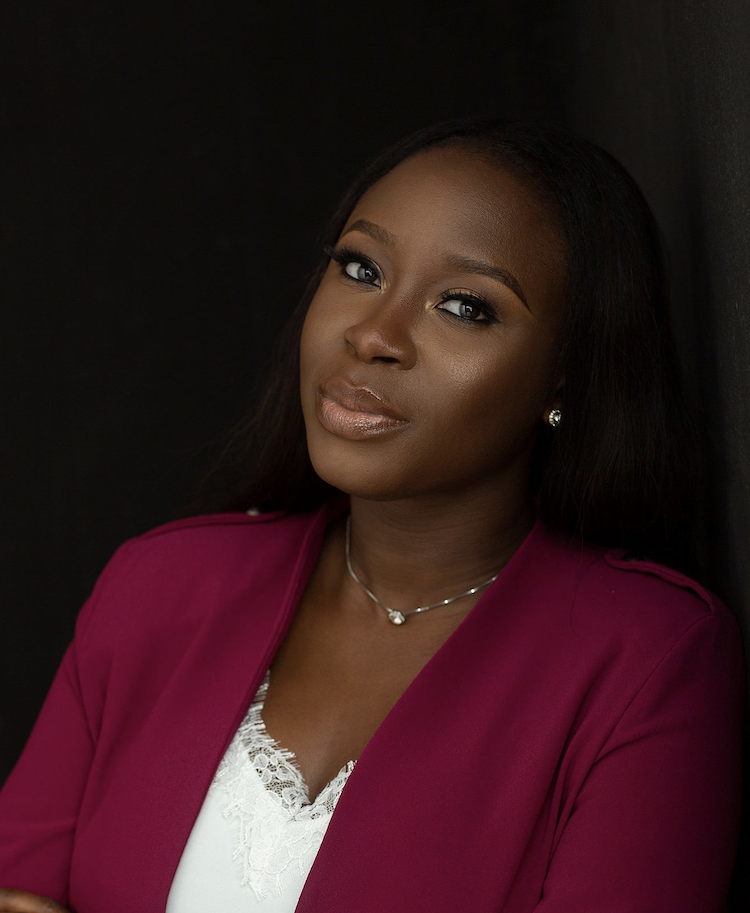
According to Caitlin Perry, Head of Marketing at Flow, retail media has become the fastest-growing corner of South African advertising. PwC’s latest Entertainment and Media Outlook expects digital to account for 74% of all local ad spend by 2029, with internet advertising reaching R51.7 billion and retail display and paid search among the fastest-growing formats of all.

Retail media itself is growing faster still, at double-digit rates and among the quickest-expanding markets of its kind in the region.

A few years ago, almost none of this existed. Today businesses from Woolworths to ARC to Bash are turning their first-party data into media, and they are not alone. We have largely stopped calling it retail media, because retail was only the opening act. Marketplaces, booking platforms and financial services are doing the same thing, anywhere a business holds first-party data and the demand to meet it. This is commerce media, and the supply of it has grown faster than almost anyone predicted.

And yet advertiser budgets are not shifting at the pace that growth suggests. The reason is not a lack of appetite. It is that the market has built the supply far faster than it has built an easy way to buy it.

This is the part nobody likes to talk about, because it is unglamorous. For an advertiser, tapping all that supply still means assembling it. A separate conversation and plan with every partner. The same manual stitching, by hand, every time a brief lands. For years the hard part of commerce media in South Africa has not been demand but rather getting access to the first-party data audiences at all, and then piecing them together yourself, one partner at a time.

And the audiences are worth the effort. Built on real purchase and behavioural data, they consistently outperform broad targeting, with brands reaching up to 60 times more high-intent shoppers on first-party data than on conventional audiences. The value is not in doubt. Getting hold of it has been the pain point up until now.

That fragmentation shows up everywhere downstream, including in measurement, where each network counts differently and, as Dentsu’s commerce lead Daniel Malan recently wrote, ‘what appears to be strong performance on one platform often cannot be meaningfully compared to another’. But measurement is the symptom. The root is that buying commerce media is still a partner-by-partner grind, and a difficult process is a hard thing to scale.

As advertisers commit budgets for the year ahead and weigh every rand more carefully, an older, manual way of buying does not inspire confidence, and budget flows to the channels a planner can put together quickly and stand behind. So, the supply of first-party data keeps growing while the ad budgets lag behind, not because the value is doubted, but because reaching it is still too much effort. Fragmented buying makes for a fragmented business case.

The good news is that South Africa is building the fix now, while the market is still taking shape, rather than bolting it on years later the way more mature markets had to. A new layer of tech partners now lets advertisers discover, book and report on first-party audiences from many partners in one place, on a single plan, instead of negotiating each one separately.

In practice it is simple: a beauty brand like L’Oréal could pick Woolworths’ beauty shoppers, book that audience in a few clicks, and run ads to them on platforms like Meta, Google and TikTok, with no separate deal struck for every retailer. Bring the audiences, the partner packages and the planning together, and the hardest part of commerce media stops being how you buy it.

The prediction is straightforward. With the right technology in play, the industry should soon be buying across the market in one place by default, eliminating the fragmentation that frustrates buyers today. The standalone, partner-by-partner deal becomes the exception rather than the rule, and the question stops being how to assemble commerce media and starts being what to do with it.

That, in the end, is the real test for the next phase of South African commerce media. The inventory is no longer the constraint. The constraint is whether a brand can reach across the whole market, build one plan and commit with confidence. The retailers, agencies, industry bodies and platforms that make buying genuinely easy are the ones who will decide how much of that forecast growth actually becomes spend. Demand sits on one side, first-party data on the other, and the prize goes to whoever puts the least friction in between.

FLOW PLATFORM
https://flowplatform.com

Toyota Hilux Launches New Campaign

Toyota Hilux Launches New Campaign

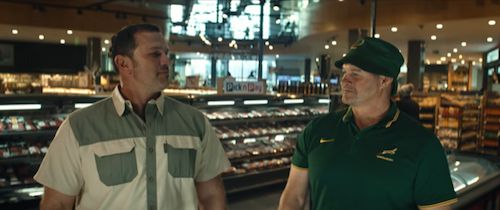
Toughness is inherent to all South Africans and South Africans know what is needed when there is tough to be done. Inspired by everyday South Africans, Publicis Groupe Africa’s Studio One team wanted to showcase the heart and soul of the lived experience in South Africa.

To do this, three film pieces were conceptualised to intentionally portray different cultures and experiences, while also echoing the common experiences, and toughness and grit that South Africans show every day.

Award-winning film director Amr Singh, who is known for his striking visuals and impactful storytelling, directed the three Hilux pieces produced in Afrikaans, English and isiZulu. A full cast, stirring words, and Singh’s vision perfectly encapsulates the grit and resilience that South Africans pride themselves on. From early mornings to long hours at work. From touching family moments, to helping others in need. In every instance, the new-generation Hilux is there.

Peet Engelbrecht, Executive Creative Director at Studio One, said, ‘We wanted to create an ad that celebrates our country and people. The New-Generation Hilux campaign is first and foremost a celebration of South Africans’ toughness, before it shows the Hilux’s role in helping them when there’s tough to be done.’

Rethabile Bopape, Advertising Senior Manager at Toyota South Africa Motors, said, ‘The new-generation Hilux remains rooted in its legacy as a workhorse that is tough enough to tackle anything South Africans can throw at it. Through this campaign, we wanted to celebrate the different ways in which South Africans from all walks of life use the Hilux, while also positioning it as an intuitive and lifestyle-oriented drive.’

PUBLICIS GROUPE AFRICA
https://publicisgroupeafrica.com/

IMA Expands Capabilities In Shopper Marketing With Majority Acquisition Of VF!

IMA Expands Capabilities In Shopper Marketing With Majority Acquisition Of VF!
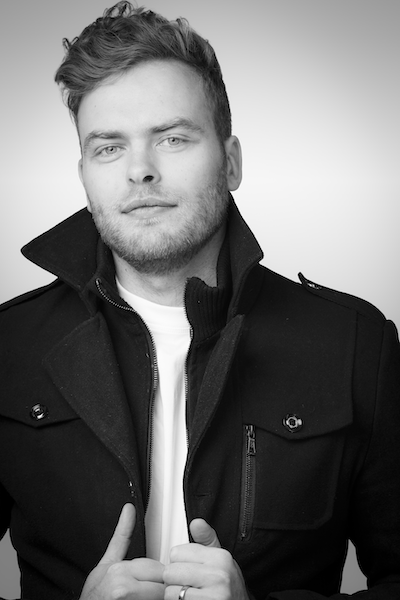
Mike Smollan, Smollan Group, and Scott Adcock, VF!

As part of the acquisition, VF! will join IMA as part of the Activation and Experience vertical within The Smollan Group, enhancing the agency’s end-to-end retail marketing function and broadening its ability to deliver impactful shopper experiences across global markets. The integration of VF!’s expertise will broaden IMA’s offer across creative and strategic retail marketing, delivering solutions that drive measurable commercial impact.

The acquisition marks a key strategic investment for The Smollan Group, within its Activations and Experience vertical. VF!’s specialist teams analyse shopper behaviour and market trends to develop strategic, data-led campaign briefs designed to unlock growth opportunities for clients. These insights then inform the creative and design process, resulting in branded displays, products, retail systems, and immersive shopper experiences.

VF! Founder and CEO Scott Adcock will continue to lead the business as part of IMA, ensuring continuity for clients and employees while supporting the agency’s next phase of growth. The VF! team will join the IMA team in the new offices in Cape Town.

Scott Adcock, Founder and CEO of VF!, said, ‘Joining IMA marks an exciting new chapter for VF! Over the past 20 years, we have built a business centred on understanding shoppers and creating meaningful retail experiences that deliver commercial value. Becoming part of IMA gives us the opportunity to scale our expertise, collaborate across a broader global network, and continue delivering exceptional value to our clients.’

Mike Smollan, Chief Brand Experience Officer at Smollan Group, added, ‘VF! brings an outstanding track record in shopper marketing, deep strategic expertise, and an exceptional client portfolio. This acquisition furthers IMA’s ability globally to create world-class experiences in physical and digital retail for the consumer, enhancing its ability to create connected brand experiences from awareness through to purchase.’

IMA
https://ima.global/en-GB

Workplace Inclusivity Is Easier To Achieve Than Employers Realise

Workplace Inclusivity Is Easier To Achieve Than Employers Realise
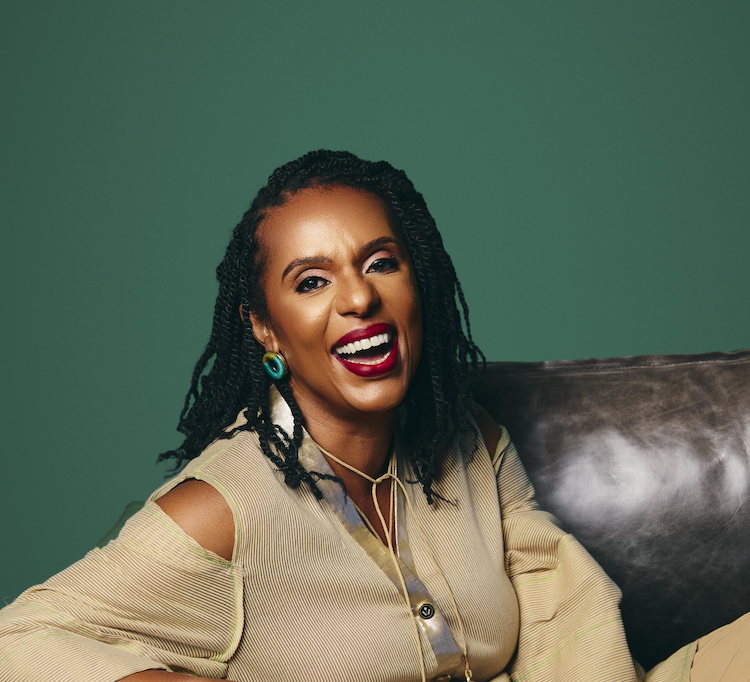
Terrie Molepo, VML South Africa.

Terrie Molepo, Senior Social Media Manager at VML South Africa and former co-chair of WPP Unite SA, says having a workplace that is inclusive for members of the LGBTQIA+ community goes beyond policy. But it is also easier to achieve than employers might realise.

Recently, our agency had a session open to all staff where WPP Unite South Africa (WPP’s LGBTQIA+ community) had the opportunity to speak about its endeavours and have a conversation with our CEO about these issues. It is something I do not take lightly. I know there are many other parts of the world, and certainly Africa, where employees cannot have such conversations with other colleagues, let alone their CEO.

In 2026 it has become imperative for the workplace to be inclusive. And to have workplaces be inclusive beyond policies has becomes even more important. We have seen an increase in regressive thinking and anti-LGBTQIA+ rhetoric. However, members of the LGBTQIA+ community are members of the workforce and, therefore, solidarity and support of these colleagues is important in fostering a workplace environment that promotes belonging and wellbeing.

So, what does an inclusive workplace actually mean in 2026? The modern inclusive workplace must walk its talk. It starts with policy, but that must be backed up with an intentional demonstration of inclusivity at all levels of the company, and a culture where employees are empowered to co-create an inclusive environment.

Inclusive policies: Inclusive HR policies are a good start to support employees and attract talent. This begins even before an employee joins the company. The wording and messaging of job posts and descriptions of the workplace culture are what determine if a member of the LGBTQIA+ community wants to join the company or not.

Pride Month activities: Pride Month activities make a difference. Even though companies may receive backlash for only showing up for the LGBTQIA+ community during Pride Month, this should not deter them from continuing to do so. Doing something is better than doing nothing at all. However, what agencies and companies should consider is having at least one Pride-themed occasion at least once a quarter.

Including employees: Ensuring employees have a voice and a say in what these activities look like is important. This empowers employees to feel that they have a say in making the work environment more inclusive. Being allocated time to be part of an Employee Resource Group (ERG) and organise events and discussions, both in person and online, fosters an environment for psychological safety.

EXCO support: EXCO supporting Pride initiatives and participating in them sends a message to the LGBTQIA+ employees that they are seen, heard and appreciated just as they are and they should continue to show up as their true selves at work. I know that having our CEO take an hour out of his day to not only attend our recent session but also actively participate in it meant a lot to our people.

Mental Health support: Members of the LGBTQIA+ community have been documented to experience high levels of mental health issues, often triggered by family situations and the environments they live in. Making employees aware of resources to support them during difficult times is a remarkable way employers can show up. Many companies have these services; it’s as simple as sending a reminder to employees about their availability.

Online discussions: Sometimes planning an in-person session can seem daunting; booking a boardroom, organising refreshments, keeping track of the RSVP list. As WPP Unite, we have discovered that setting up an online session for people to join from wherever they are has proved more effective. It is simpler to organise, we can have them more frequently, and more people are able to attend.

Starting or supporting an ERG: Encouraging employees to start an ERG takes pressure off the employer and People teams to run with initiatives. Employees can plan and organise what they want to do, knowing the employer supports their efforts.

Being truly inclusive for all: It is also very important not to exclude heterosexual employees from such initiatives. When our heterosexual colleagues are included and invited, they are eager to attend and walk away having learnt new things about what life is like for their LGBTQIA+ colleagues.

Workplace inclusivity may sound big and daunting and even expensive, but, in reality, it does not have to be complicated and does not have to be rocket science. It could take the form of simple initiatives that make employees feel seen and valued.

Ultimately, the workplace is where everyone should bring their whole selves to work without the fear of judgement or intimidation. A healthy workplace is where everyone feels they are contributing meaningfully to their own wellbeing and the wellbeing of others.

VML SOUTH AFRICA
https://www.vml.com/south-africa

Student Radio Ad Challenge Celebrates Indigenous Language Creativity

Student Radio Ad Challenge Celebrates Indigenous Language Creativity
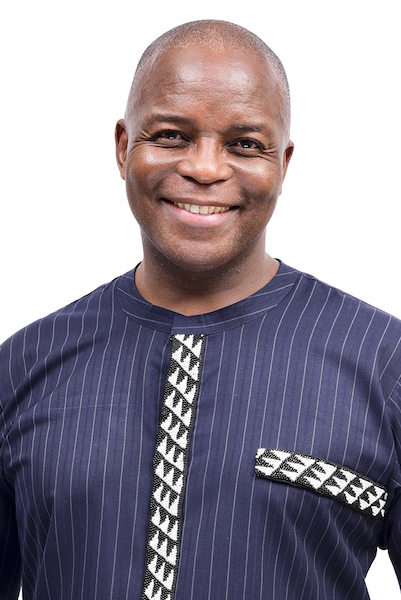
Marvin Mpanda, Copywriter, Joe Public with trophies won for campaign 'Afrikaraoke' for Castle Milk Stout.

The Mzansi Sounds Better in Your Language Student Radio Ad Challenge was initiated by iPendoring and Brand South Africa to celebrate South African life, language and culture. A selection of student-created radio advertisements is now airing nationwide across the SABC’s African Language Stations (ALS), inviting the public to take part in a national vote to select a favourite.

Students from across the country were invited to write and submit radio ad concepts in their home languages. The top entry in each language was then handed to students at the Academy of Sound Engineering (ASE), who produced the finished ads, with the SABC coming on board as a generous partner and collaborator to put the work on air nationwide.

The challenge continues iPendoring’s commitment to elevating indigenous language creativity and giving emerging talent a national platform where storytelling in all South African languages is not only welcomed, but celebrated.

For Brand South Africa, the challenge speaks directly to the organisation’s mandate of building national pride and social cohesion. By backing young creatives to tell South African stories in their own languages, the initiative showcases the depth of local talent and reminds the country of the richness of its cultures. It is a celebration of what makes South Africa distinctive and an invitation for South Africans to take pride in hearing themselves reflected on the national airwaves.

The SABC is uniquely placed to carry this campaign. As the national public broadcaster, its African Language Stations give South Africans the chance to listen to radio in their mother tongue, covering the full breadth of the country’s indigenous languages. There is no platform better suited to a challenge built around the idea that Mzansi sounds better in your home language.

Audiences can now hear the ads on SABC radio stations nationwide or listen to them all via iPendoring’s website. Once listened to, the public is encouraged to vote for the advert that resonates most.

Voting is now open to the public, with the winning advert to be announced on 17 July 2026. Vote here.

Featured Finalists

The selected radio advertisements span multiple South African languages, including isiZulu, isiXhosa, Afrikaans, Sepedi, Setswana, Tshivenda, Xitsonga, Sesotho and isiNdebele. Each ad began as the winning entry in its language, written by the student credited below, and was then produced by the ASE student team.

– Ku pfuka ka Mzansi, written by Gomolemo Motloutsi (Xitsonga).
– Sa Afrika Tshipembe, written by Boikanyo Manana (Tshivenda).
– Ubuhle boMzantsi Afrika, written by Nomzabalazo Mduka (isiXhosa).
– Ke Gae Mo, written by Lebogang Jessicah Monyela (Sepedi).
– Lefu la Gae ke Rona, written by Palesa Maake (Setswana).
– Isewula Afrika, written by Mthokozisi Ntuli (isiNdebele).
– LENA YIYO IMZANSI, written by Zibusiso Ndlovu (isiZulu).
– Pilo tse thata, written by Tshepiso Mokoena (Sesotho).
– Suid Afrika ons is een, written by Brenton Losper (Afrikaans).

From reflections on home and identity to stories of resilience, unity and cultural pride, each piece offers a unique perspective on what it means to be South African today, told through the richness of language and sound.

IPENDORING AWARDS
https://www.pendoring.co.za/

L’Oréal South Africa Expands Into Gaming And Immersive Digital Experiences

L’Oréal South Africa Expands Into Gaming And Immersive Digital Experiences

L’Oréal South Africa has become one of the first beauty groups in the region to activate multiple brands simultaneously within Roblox. Bringing together Maybelline New York, Garnier, and CeraVe under one unified innovation strategy, L’Oréal South Africa is launching interactive experiences designed for Gen Z and Gen Alpha audiences, focusing on immersive storytelling, education, entertainment, and participation rather than traditional advertising.

Developed in partnership with ReachPlayers, the activations integrate beauty and skincare naturally into gameplay, creating experiences that feel engaging, authentic, and memorable for players.

By bringing together three globally recognised brands under one gaming ecosystem, L’Oréal South Africa is demonstrating how beauty companies can evolve beyond traditional media and create culturally relevant experiences that resonate with digitally native consumers.

Each activation was carefully designed to reflect the unique identity and purpose of the participating brands while contributing to a larger vision: making beauty education, confidence, and self-expression more accessible through interactive technology.

The rollout includes:

– Maybelline New York: transforming exam stress into a confidence-boosting gameplay experience centred around the FIT ME range.
– Garnier: gamifying the universal ‘Oh No Moment’ of an unexpected breakout through an interactive Pure Active Pimple Patch challenge.
– CeraVe, creating educational skincare worlds focused on skin health, acne prevention, and dermatologist-backed routines.

Together, the experiences showcase how L’Oréal South Africa is leveraging gaming not simply as a media channel, but as a platform for immersive brand storytelling and consumer connection.

The initiative reflects a collaborative effort between L’Oréal South Africa and ReachPlayers to push the boundaries of what branded experiences inside games can look like.

By combining immersive gameplay mechanics with native product integration, the partnership demonstrates how brands can become part of gameplay itself rather than appearing as external interruptions.

‘We are incredibly proud to partner with L’Oréal South Africa on this groundbreaking initiative,’ said Michael Anav, CEO of ReachPlayers. ‘What makes this collaboration so exciting is L’Oréal South Africa’s willingness to innovate boldly and embrace entirely new ways of connecting with younger audiences. Together, we are creating experiences that feel native to the gaming environment while still delivering meaningful brand storytelling, education, and engagement.’

‘From the get-go with ReachPlayers, they’ve truly taken on a partnership role where they’ve tried to understand the brand, the vision and really co-create our campaigns with us. They have spent a lot of time and close attention to detail in getting things right. They are really agile in how they work with the team, and getting to understand what your business objectives are. It’s a no-brainer decision,’ said Melissa Signor, Digital and Advertising Manager, CDMO Team, L’Oréal South Africa.

REACHPLAYERS
https://reachplayers.com/

Content Creator Awards Extends Deadline

Content Creator Awards Extends Deadline

The Content Creator Awards celebrates the creators, brands, and agencies behind the content shaping South African online culture. The entry deadline for the 2026 campaign has been extended to 5 July 2026, giving creators more time to submit their work.

The Content Creator Awards has become a recognised benchmark for excellence in South Africa’s creator economy. Being shortlisted or winning places creators alongside some of the industry’s most respected talent and provides independent recognition of the quality, influence and impact of their work. For creators, brands and agencies alike, the awards represent a standard of excellence in an increasingly professional and competitive industry.

‘The response to this year’s awards has been incredibly encouraging,’ said Manuela Dias de Deus, founder of the Content Creator Awards and the agency behind them, One-eyed Jack.

‘We’ve heard from creators across the country who are still putting the finishing touches on their entries, selecting the work they’re most proud of and trying to fit submissions into already demanding schedules. We want to make sure great work has every opportunity to be seen, so extending the deadline felt like the right thing to do.’

As the creator economy matures, so does the need for smarter tools that understand influence. The 2026 edition of the awards welcomes Humanz as the Official Creator Intelligence and Data Partner.

At this year’s awards, Humanz will support the judging and shortlisting process with performance insights that help ensure standout creators are recognised not just for reach, but for real audience resonance.

The awards ceremony will take place in October 2026. Entrants must be 18 years or older. Multiple entries allowed across categories (one per category).

CONTENT CREATOR AWARDS
https://contentcreatorawards.co.za


Effie Announces 2025 Global Effie Index

Effie Announces 2025 Global Effie Index

Effie Worldwide has released the 2025 Effie Index®, the definitive global ranking of marketing effectiveness. This year’s rankings reflect a marketing landscape where effectiveness is being driven by a combination of enduring brand platforms, cultural relevance, and disciplined execution.

From global household names to emerging regional leaders, the 2025 Index highlights the organisations delivering measurable business results and setting the standard for marketing effectiveness around the world.

Now in its 15th year, the Index recognises the marketers, brands, agencies, and networks behind the world’s most effective work, drawing from finalist and winning entries submitted across regional, national, and global Effie Awards competitions.

‘The 2025 rankings tell a compelling story about marketing effectiveness today,’ said Traci Alford, Global CEO of Effie Worldwide. ‘Alongside many of the industry’s most recognised brands and organisations, we see new entrants and emerging leaders proving that effective marketing can come from anywhere. Effectiveness is not defined by size, budget, or geography, it is driven by ideas that create real impact. We congratulate all of this year’s ranked marketers, brands, agencies, and networks for setting the standard for effectiveness around the world.’

This year’s rankings are representative of Effie Awards finalists and winners determined between January 1, 2025, and December 31, 2025.

Most Effective Marketers

Top 5: Unilever, McDonald’s, AB InBev, PepsiCo, Nestlé

Unilever rose to the top of the rankings in 2025, in its third year of being within the top three global marketers. McDonald’s secured the number two position following another year of strong performance, while AB InBev remained among the world’s most effective marketers in third place. PepsiCo continued its longstanding presence among the leaders in fourth, with Nestlé rounding out the top five.

Most Effective Brands

Top 5: McDonald’s, Burger King, Silpo, Dove, IKEA

McDonald’s once again earned the distinction of the world’s most effective brand, for the fifth consecutive year, extending its remarkable track record of effectiveness leadership. Burger King rose to second place following a year of standout work, while Ukrainian retailer Silpo achieved one of the year’s most notable performances, climbing to third globally. Dove and IKEA rounded out the top five, demonstrating the breadth of effective marketing across categories and markets.

Most Effective Agency Holding Groups

Top 5: Omnicom, WPP, Interpublic Group (IPG), Publicis Groupe, Havas

Omnicom retained its position as the most effective agency holding group globally for a third year, continuing a run of strong performance across its agencies and markets. WPP secured second place, followed by Interpublic Group (IPG) in third. Publicis Groupe ranked fourth, while Havas entered the global top five this year.

Most Effective Agency Networks

Top 5: Leo, McCann Worldgroup, Omnicom Media Group, BBDO Worldwide, Ogilvy

Leo emerged as the world’s most effective agency network in 2025, driven by high-performing work across multiple regions and categories. McCann Worldgroup ranked second once again, continuing its strong effectiveness legacy, while Omnicom Media Group secured third place. BBDO Worldwide and Ogilvy completed the top five, reinforcing the continued strength of globally connected agency networks.

Most Effective Agency Offices

Top 5: AlmapBBDO (São Paulo, Brazil), Leo Burnett (Mumbai, India), Banda agency (Kyiv, Ukraine), SANCHO BBDO (Bogotá, Colombia), McCann (Tel Aviv, Israel)

At the agency office level, AlmapBBDO in São Paulo, Brazil, retained its position as the world’s most effective agency office for the third year in a row. Leo Burnett Mumbai climbed to the second spot, highlighting India’s continued influence on the global effectiveness landscape. Banda agency in Kyiv achieved an impressive third-place finish, followed by SANCHO BBDO in Bogotá and McCann Tel Aviv, underscoring the increasingly global nature of marketing effectiveness leadership.

Most Effective Independent Agencies

Top 5: Banda agency (Kyiv, Ukraine), Mischief @ No Fixed Address (Brooklyn, NY, United States), The Womb (Mumbai, India), Rafineri (Istanbul, Türkiye) and Reuveni Pridan (Bnei Brak, Israel)

One of the standout stories in this year’s Index is the rise of Banda agency. The Kyiv-based independent not only earned the title of the world’s most effective independent agency, but also ranked third among all agency offices globally and topped the European agency office rankings. Mischief @ No Fixed Address secured second place among independents, followed by The Womb in Mumbai, while Rafineri in Istanbul and Reuveni Pridan in Bnei Brak complete the global leaders list.

2025 Regional Rankings

Middle East and Africa: Unilever (marketer), OMO and Puck (brand – tie), Omnicom (holding group), McCann Worldgroup (agency network), FP7 McCann Dubai (agency office), Dejavu (independent agency).

Asia Pacific: PepsiCo (marketer), McDonald’s (brand), Publicis Groupe (holding group), Leo (agency network), Leo Burnett Mumbai (agency office), The Womb (independent agency).

Europe: McDonald’s (marketer), McDonald’s (brand), Omnicom (holding group), Leo (agency network), Banda agency (agency office), Banda agency (independent agency).

Latin America: AB InBev (marketer), Burger King (brand), Omnicom (holding group), BBDO Worldwide (agency network), AlmapBBDO (agency office), Valor Group (independent agency).

North America: L’Oréal and Molson Coors (marketer – tie), CeraVe and Change the Ref (brand – tie), Interpublic Group (IPG) (holding group), Ogilvy (agency network), Mischief @ No Fixed Address (agency office), Mischief @ No Fixed Address (independent agency).

EFFIE SOUTH AFRICA
https://effie.org/partners/south-africa/

The World Cup Could Be A Powerful Brand-Building Moment For Africa

The World Cup Could Be A Powerful Brand-Building Moment For Africa
Matongo Matamwandi, African Marketing Confederation.

Matongo Matamwandi, the President of African Marketing Confederation, says Africa is fielding a record 10 teams and some of football’s most recognisable stars on fields across Canada, Mexico and the US. Beyond Moroccans Achraf Hakimi and Yassine Bounou, both heroes of the 2022 World Cup run, many other African soccer players are globally influential.

Senegalese player Sadio Mané is respected for both his football achievements and philanthropy, while Nigeria’s Victor Osimhen represents a new generation of African stars. Then there is Riyad Mahrez, one of the continent’s most decorated modern players.

This is not Africa’s first turn on football’s biggest stage. In 2010, South Africa became the first African nation to host the World Cup, the world showed up, and the Rainbow Nation blew the Vuvuzela loud in the opening match when Bafana Bafana took on Mexico.

But Shakira’s Waka Waka became the tournament’s anthem even though the beat came from Cape Town’s Freshlyground, who added the song’s bridge, and vocals in Xhosa, and their signature Afro-fusion instrumentation such as African-inspired percussion, guitar, and flute lines.

While the world belted along, with Waka Waka eventually being downloaded 15 million times, Shakira eclipsed Freshlyground even as she sang about this time being for Africa.

Culture In Our Veins

Freshlyground is one band that typifies talent, skill, vibrance, and rich heritage, characteristics that are embedded in our culture from north to south and east to west. Nigerian artists Burna Boy, Wizkid, Tems and Rema top international charts. South Africa’s Tyla introduced millions to Amapiano through a single global hit.

Nigerian authors Chimamanda Ngozi Adichie and Chinua Achebe are read worldwide, with Achebe’s Things Fall Apart remaining a top novel almost 70 years after he penned it. Nollywood is one of the largest film industries on earth by output. South African-born Trevor Noah took African perspectives to American primetime. These are not niche success stories. They are mainstream, global, and growing.

More importantly, they demonstrate that audiences around the world are already engaging with African stories, talent and creativity. The challenge is that those stories are often consumed as individual successes rather than as part of a broader narrative about the continent itself as they are almost always told in isolation.

Burna Boy is a Nigerian artist. Tyla is a South African singer. Mohamed Salah is an Egyptian footballer. Their achievements reflect positively on their home countries but rarely are they framed as part of a broader African story.

The emotional power of African talent is captured market by market, country by country, while Africa as a continent is not seen as a brand. This changes when our players run onto the field.

Watching soccer, that beautiful game, together in venues across Africa fills us with a sense of belonging. Each time one of our, and we should and do claim all African footballers as ours, crosses into the opposing side’s half, we are filled with optimism.

The question is whether we can take that instinct, that pride, and that sense of belonging off the pitch and turn those feelings that brands across the globe will pay billions for into something that advances Africa as a whole. The World Cup offers a rare opportunity to change that.

Own The Continental Brand

A unified African narrative would not replace national identities or achievements but rather connect them. With a record 10 teams competing, the tournament creates a platform on which audiences can celebrate not only individual nations, but a continent increasingly producing world-class talent.

Rather than building campaigns around individual countries, brands could tap into themes that resonate across borders: achievement, ambition, creativity, excellence. The opportunity is not simply to celebrate football success, but to tell a larger story about Africa’s growing presence on the world stage.

If the tournament helps create even a small shift from ‘my country is succeeding’ to ‘Africa is succeeding’, it could become one of the most powerful brand-building moments the continent has seen.

Not by treating Africa as a single market, but by recognising the pride, aspiration and sense of possibility that increasingly connect audiences across its borders. Africa has never lacked talent, creativity or ambition.

What it has often lacked is a stage large enough to showcase them all at once. The World Cup may be one of those rare moments well beyond the final whistle. That conversation continues in Livingstone, Zambia, from 23 to 25 September, where we host some of the world’s top marketers, and showcase the seventh wonder of the world, the Victoria Falls, the Smoke That Thunders, Mosi-oa-Tunya, as we reposition Brand Africa.

AFRICAN MARKETING CONFEDERATION
www.africanmarketingconfederation.org

Advertisers Should Think Beyond The Broadcast For Greater Audience Engagement

Advertisers Should Think Beyond The Broadcast For Greater Audience Engagement

The 2026 FIFA World Cup will attract billions of viewers, but the biggest opportunity for brands may lie with the multi-screen fans consuming more than just the live games, says Leslie Adams, Sales Director at Reach Africa.

The big match is on the big screen and everyone is buzzing. The biltong is sliced, the drinks are ice cold and the people are bringing the gees. It is a yellow sea of Bafana Bafana jerseys as we support our boys at the World Cup. This is the kind of audience and engagement advertisers dream of, with eyeballs glued to the screen for 90 minutes. And for decades, that paid off handsomely.

But the 21st century sport fan is no longer just watching the match alone. Before, during and after the game, they are checking team news on X, watching analysis on TikTok, having WhatsApp watch party debates, and sharing YouTube clips. The final whistle has not even blown, but the conversation has moved well beyond the live broadcast.

In fact, the most influential football journalists are no longer found on television screens, but on social platforms, where team announcements and breaking stories often emerge long before traditional broadcasters report them. The rise of creator-led coverage is also changing how fans experience tournaments. With social media creators increasingly being granted access traditionally reserved for journalists, fans are gaining new perspectives through behind-the-scenes content, player interviews and creator commentary.

For years, brands followed a simple playbook: if you wanted to reach fans, you bought into the live broadcast. That made perfect sense when the only screen available was a TV. But today, while audiences remain just as engaged, their attention is distributed across a far wider range of environments.

Recent data from the Marketing All Product Survey shows the way people consume sport has changed, with streaming and social media now accounting for more time spent than traditional television, particularly among younger, mobile-first audiences. FIFA has adapted quickly to this by putting the game where audiences are, rather than locking it into one media channel. They have followed the data and partnered with TikTok as an official social media partner, YouTube as a global streamer, and niche sports apps to expand the tournament’s reach across the platforms fans already use.

The live game is no longer the only place where the action is, and smart brands will follow FIFA’s example and update their planning to include a broader mix of channels. And while broader streaming distribution may challenge the traditional broadcast monopoly, it also gives fans more choice and greater access to the tournament than ever before.

The biggest audience opportunity might be everything happening around the live broadcast, from the build-up to reactions and commentary. There are so many opportunities for brands to engage with fans that were simply not possible years ago.

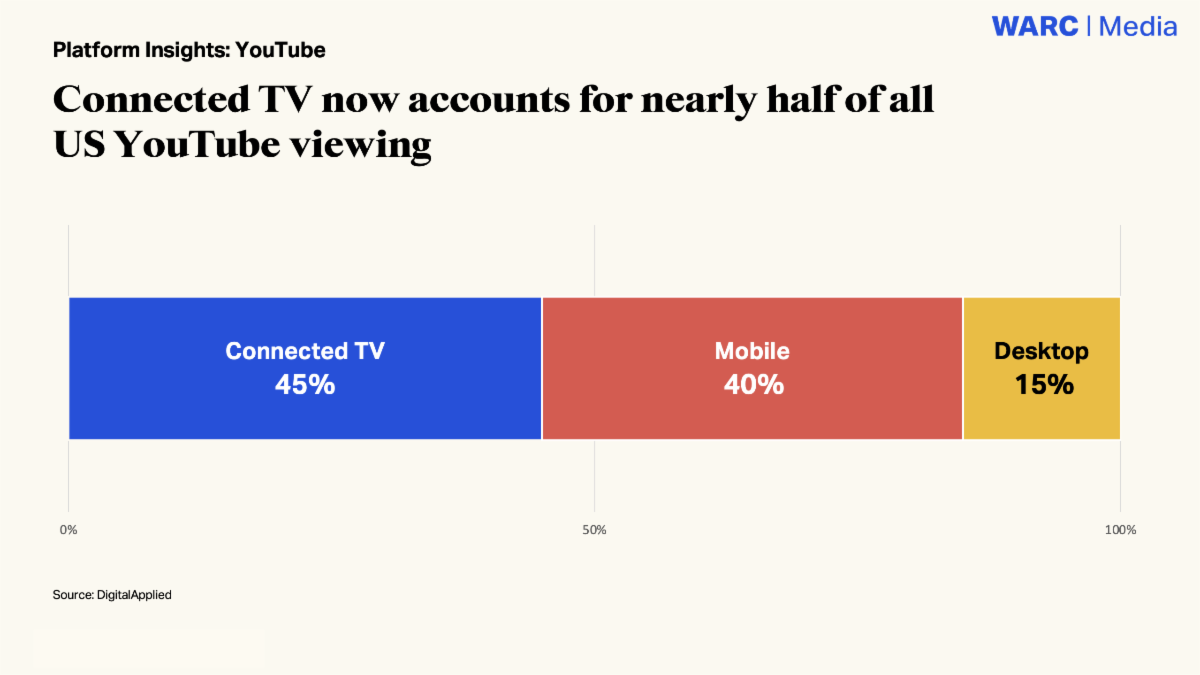
This includes connected TV (CTV), which is increasingly at the centre of the global viewing experience. As fan consumption habits have evolved, so too has the television itself. Connected TVs now bring broadcaster apps, streaming services, gaming and linear TV together in one place, allowing fans to access the full spectrum of football content and viewing experiences on the largest screen in the home.

For brands planning around the 2026 FIFA World Cup, the first step is knowing the sheer number of viewing options available to consumers. If you Are not already social savvy, get scrolling, because each platform presents a different opportunity to connect with your audience.

Then, figure out what role each environment plays in the audience journey and where your brand can best fit. Perhaps it Is partnering with a content creator who gives analysis and commentary, or sponsoring a podcast for deeper discussions, or harnessing Instagram with viral reactions and memes.

The golden metric is attention, especially in a global event such as this one. With such a large audience, meaningful engagement is the true measure of success, not just eyeballs.

Most importantly, brands need to think beyond the broadcast. It remains incredibly powerful, but it is no longer the only place where fandom lives. Find the fans, and you will find where the real action is. The game is on.

REACH AFRICA
https://www.reachafrica.com

This is Modern Marketing