

Home Blog Page 57

Algorithm Agency Discusses Performance Marketing Trends And How Marketers Can Use AI To Its Fullest Potential

Algorithm Agency Discusses Performance Marketing Trends And How Marketers Can Use AI To Its Fullest Potential
Jamie-Leigh Barnett, Algorithm Agency.

Algorithm Agency is a Bronze sponsor for the 2025 WesBank New Generation Awards, a move reflecting the agency’s ongoing investment in digital excellence and emerging talent. Jamie-Leigh Barnett, Director of Growth and Development at Algorithm Agency, discusses the top performance marketing trends; how marketers can use AI for prediction, personalisation, and efficiency; as well as the value Algorithm brings to the awards. Modern Marketing is a proud media partner of the awards.

Why did Algorithm Agency decide to be involved as a sponsor for the WesBank New Generation Awards?

This is our first year as a sponsor, and we’re excited to be part of a platform that celebrates digital excellence and innovation. At Algorithm, we believe in turning potential into performance, and the New Generation Awards champion exactly that by recognising work that delivers measurable impact. Sponsoring these awards allows us to support the broader marketing community, showcase the power of performance marketing, and celebrate those pushing the industry forward.

What value does Algorithm Agency bring to the awards?

Algorithm brings a perspective grounded in data-led creativity and commercial impact. Our team lives and breathes performance marketing, so we understand that great work is not just about clever ideas or pretty pictures, it’s about measurable outcomes. By participating as a sponsor, we’re not only contributing to the dialogue around accountability, innovation, and the smart use of AI and data, but also creating visibility for Algorithm as a growing independent agency.

As a small business, we see the New Generation Awards as an opportunity to expand our footprint and share the work we’re so proud to deliver for our incredible clients. We partner with ambitious brands that value results, and these awards provide a platform to highlight those partnerships, celebrate their success stories, and connect with like-minded marketers who share our passion for turning potential into performance.

What are the top performance marketing trends for 2025?

We’ve all heard these buzzwords, so it’s about knowing what is important and what will pass. We have seen the following really stand out this year:

AI is everywhere, but smarter: Moving beyond experimentation to fully integrated AI for predictive targeting, dynamic creative, and automated optimisation. However, the data that goes into these AI tools needs to be accurate, relevant and clean, which will ensure the output will make a real impact to the business. Rubbish in also means rubbish out!

First-party data acceleration: With privacy changes continuing, brands that own and activate their data will have a clear competitive edge.

Performance and brand convergence: The line between performance and brand marketing is blurring; winning campaigns will connect storytelling with measurable conversions.

What are your top three performance marketing tips?

Start with business goals: Define success in terms of leads, sales, or lifetime value, not just clicks or impressions. We are moving away from vanity metrics to those that actually move the needle for our clients’ businesses, so understanding what success looks like will help define the strategy to get there.

Build a clean data foundation: Data quality, as I mentioned before, is the fuel for AI and automation; invest in accurate tracking and attribution.

Test relentlessly: From creative formats to bidding strategies, continuous experimentation is key to unlocking incremental gains. Make sure you trust your agency partners to do this well for you!

Are marketers using AI to its fullest potential, and if not, what can they do to harness its power?

Most marketers are still scratching the surface. AI is more than a buzzword, it’s a toolkit for prediction, personalisation, and efficiency. To harness its power, brands need three things:

Structured data: AI is only as strong as the data it learns from.

Clear use cases: Identify where AI can solve real business problems (e.g., lead quality, budget allocation).

Human oversight: Pair AI’s speed with human creativity and strategic judgement to keep campaigns both effective and authentic. We have been using AI at Algorithm for years, and while it’s evolved, it’s just reinforced why we need that human touch to make sure the output is relevant and useful to our clients.

How does Algorithm’s culture drive the kind of innovation recognised by the WesBank New Generation awards?

Our culture is built on three values: Act Like a Business Owner, Be Curious, and Don’t Be a D*ck (pardon the swear word). These principles aren’t just words on a wall, they shape how we show up every day. Acting like a business owner means every team member takes full accountability for results, treating client challenges as if they were their own. Curiosity pushes us to constantly ask why and what if, encouraging experimentation with new tools, data sets, and creative approaches that drive breakthrough performance. And by committing to respect and transparency, we create a safe space where diverse ideas can be debated, tested, and refined without ego getting in the way.

This combination of ownership, relentless questioning, and collaborative problem-solving creates the conditions where genuine innovation happens. It’s what allows a lean, independent agency like Algorithm to stay agile, embrace AI and emerging technologies quickly, and consistently deliver the kind of measurable, forward-thinking work that the New Generation Awards celebrate.

What does ‘turn potential into performance’ mean for your clients and your team?

It’s our philosophy and our promise. We show up as business partners, not vendors, asking the hard questions, challenging briefs, and delivering work that moves the needle. It’s about curiosity, accountability, and never settling for ‘good enough’. We push our team hard because we know they can perform and we work hard because we want to deliver and deliver well!

ALGORITHM AGENCY
www.algorithm.agency

NEW GENERATION AWARDS
www.newgenawards.co.za
VML Study: Brands Are Still Failing To Deliver On The Basics Of Customer Experience

VML Study Brands Are Still Failing To Deliver On The Basics Of Customer Experience

VML has unveiled its ninth annual Future Shopper report, an expansive global study revealing that, despite years of digital acceleration, many brands are still failing to deliver on the basics of customer experience. Surveying over 25,000 shoppers across 16 countries, the 2025 edition exposes a gap between what consumers expect and what brands provide when it comes to value, speed, and trust.

In fact, 45 percent of global shoppers surveyed, and half of South Africans surveyed, often abandon their online shopping cart because the digital experience is too frustrating.

According to the report, brands must prioritise human-centric experiences and address consumer frustrations with current digital offerings, especially if they want to grow in an AI-first world. Although in its infancy in the customer journey, AI’s high usage and trust indicates that it will fundamentally change how consumers shop, from discovery to purchase. Despite marketplaces setting the benchmark for customer service, their market share has dropped since last year and search engines have seen a resurgence during the information and search phases of the journey, possibly fuelled by AI integration.

AI’s Rapid Emergence Across The Path To Purchase

– 81% of South African respondents have used ChatGPT or an alternative.
– 30% of South African respondents have used AI tools like ChatGPT to create shopping lists or meal plans or find inspiration for what to purchase, while more than 18% have used these tools to find the best place to buy something.
– 59% are excited by the prospect of having their own AI agent to talk to brands or retailers on their behalf and get the products they want at the price they want.

Personalisation Powers Discovery But Falls Short For Some

– 75% of South African consumers surveyed say personalised recommendations help them discover new products (significantly higher than the global average of 63%.
– 72% are more likely to buy from brands that remember their preferences.
– 46% think most brands do a poor job of personalisation.

A Shift Toward True Omnichannel Retail

Globally, marketplaces remain the dominant force throughout the shopper journey, with 22% using the lead marketplace in the region for inspiration, 15% using the secondary marketplace, and 9% using other marketplaces. When it comes to search, 17% use the lead marketplace, 12% the secondary and 7% other marketplaces. However, marketplace share of wallet has slipped to 22%, down from 29% last year, signalling a shift toward true omnichannel retail.

In South Africa, 76% of respondents prefer to shop with a brand that has both a physical store and an online store and 66% wish brands communicated with them seamlessly across different channels.

Jade dos Santos, Strategy Director at VML South Africa, noted: ‘South Africans have always had incredibly high expectations and very high adoption rates, despite economic constraints. This stems from widespread digital adoption across all market segments, creating a wonderful dichotomy in our technological advancement; we’re simultaneously early adopters and harsh critics.’

He sees this play out in the survey data: ‘We’ve readily adopted AI in our day-to-day lives; 81% use tools like ChatGPT compared to 68% globally, yet we’re equally quick to abandon purchases when online experiences don’t meet our standards, with 50% dropping off versus 45% globally. We demand compressed commerce, moving seamlessly between online and offline, expecting true omnichannel experiences while wanting them made specifically for us through intelligent use of our data. And we need it almost instantly, with a higher-than-global-average need for fast journeys and a massive dislike for poor digital experiences where brands get punished with abandoned baskets.’

More findings:

Customer Experience

– 47% of South African respondents are often amazed at the poor online shopping experience by major retailers.
– 54% think businesses have no idea what customers want from their digital channels.

‘I Want It Right Now Or I Don’t Want It At All.’

– 32% of global shoppers surveyed expect delivery within two hours; 40% will not order if same-day delivery or scheduled delivery isn’t available.
– 71% of South African respondents want to move from inspiration to purchase as quickly as possible, a trend VML has coined ‘compressed commerce’.

‘The South African consumer has evolved rapidly; we’re AI-native, require personalisation, and demand omnichannel excellence above global standards,’ concluded Dos Santos. ‘This might be because we need to be smarter and better with limited resources, but it positions us to leapfrog global competition by creating nothing short of world-class experiences.’

VML SOUTH AFRICA
https://www.vml.com/south-africa

Leadership, Performance And Workplace Culture Lessons From A Female-Led Agency

Leadership, Performance And Workplace Culture Lessons From A Female-Led Agency
Katlego Mahura, Idea Engineers.

Katlego Mahura, MD at Idea Engineers, says in an industry where women make up a significant portion of the workforce, the presence of female decision-makers has a noticeable impact. However, the differences observed are not limited to gender equity, they reflect how organisations can strengthen teams by aligning with the realities of modern working life and creating space for more inclusive, adaptable cultures.

Here are six lessons learnt from leading an agency as a female:

Flexibility Drives Performance

During the pandemic, flexible working models showed clear benefits for both businesses and employees. Yet most South African companies have now called staff back to the office: Discovery Bank reports that more than 75% of office workers now commute at least three days per week and office rentals have surpassed pre-pandemic levels in most metros.

For many women, reverting to a rigid office-first model risks undoing hard-won progress. If we measure outcomes rather than hours, it can result in higher morale, stronger retention and better performance.

Kind Leadership Can Be Strong Leadership

Leading a company is often associated with making difficult decisions and keeping the workforce in line. While it is important to be strong and decisive, leadership can also be kind and empathetic. We understand what it means to juggle deadlines with school runs, doctor’s visits or the logistics of family life.

This has shaped a culture where people don’t have to apologise for needing flexibility, provided they deliver. This approach builds loyalty and a performance mindset based on mutual trust.

Trust Is Based On Accountability

Flexibility must be underpinned by accountability. That means clear expectations, transparent performance measures and robust tools for collaboration. When delivery is non-negotiable, flexibility enhances rather than threatens business outcomes. It can strengthen client relationships and reduce attrition.

Thriving Requires A Safe Space

A workplace where people feel safe to speak up, share challenges and be themselves unlocks greater creativity and innovation. People who feel safer, more trusted and more purposeful will usually be more willing to go the extra mile.

McKinsey research shows that 89% of employees believe psychological safety in the workplace is essential and highlights how leadership behaviour strongly influence whether teams feel able to take risks and contribute ideas. Breakthrough ideas surface and collaboration thrives when team members know they can speak openly without fear of judgment.

The Invisible Load Remains A Challenge For Women In The Workforce

The unpaid workload outside the office remains unequal. Data from UN Women shows that South African women and girls spend 15.6% of their day on unpaid care compared to just 6.5% for men. When workplaces ignore this imbalance, women are forced to cut back hours, miss promotions or leave industries entirely.

Throughout my career, I have seen talented colleagues struggle to balance demanding roles with caregiving responsibilities, often at the cost of their career growth. Companies that address the invisible load through flexibility, fair pay and supportive policies will be better positioned to attract and retain talent.

Diversity Isn’t Just About Gender And Race

Diversity and inclusion is a strength for organisations that get it right, but this should not only be about categories recognised in the employment equity legislation. Forward-thinking employers should be considering how they can be inclusive of people with disabilities (including hidden ones), neurodiversity and different age groups.

Accommodating people at different life stages is becoming increasingly important. Parents or caregivers may need flexibility to manage school runs and medical appointments, while employees later in their careers may prioritise stability or health-related considerations.

Workplaces should flex around these needs. I have witnessed how small but well-considered accommodations, like flexible scheduling or mentorship opportunities, made colleagues feel valued and able to thrive at work.

IDEA ENGINEERS
https://www.ideaengineers.co.za

African Creatives Shortlisted For Global Competition

African Creatives Shortlisted For Global Competition

Celebrating its 10th year, Next Creative Leaders was created in partnership with The 3% Movement as the industry’s only free portfolio competition that identifies, celebrates, and provides a global platform to talented women, non-binary, and trans creatives who are making their mark on the world. The One Club for Creativity today announced 13 young creatives in the Middle East & Africa region who are among the 120 entrants from 30 countries who are shortlisted for Next Creative Leaders 2025.

Creatives from the region on the NCL 2025 shortlist are as follows:

South Africa

– Michelle Marais, creative director, Dentsu Creative, Cape Town.
– Jasmin Vandersteen, copywriter, and Zainab Mitha, art director (team), Joe Public, Durban.
– Lesego Molaudi, art director, Ogilvy South Africa, Cape Town.

Kenya

– Divya Buddhdev, associate creative director, Ogilvy Africa, Nairobi.
– Olive Wangai, associate creative director, Dentsu Creative Kenya, Nairobi.

NCL 2025 entries were judged by an esteemed jury of 39 top creatives from 21 countries. The complete NCL 2025 shortlist can be viewed here.

Along with announcing global winners on November 4 based upon the highest jury scores, the competition will also recognise regional winners in APAC, Europe, Latin America, Middle East and Africa, and North America.

A special virtual NCL winners celebration will be held on November 6, and include a celebration of all winners and discussion with judges and winners. More details and registration for the online event can be found here.

Eligible participants for NCL were those who are stepping into leadership roles, including copywriters, art directors, designers, ACDs, content creators, and recently promoted creative and design directors with less than one year in the role, and creative teams who are doing game-changing work. To make NCL as accessible as possible, there is no fee to enter.

They were judged on four-to-six pieces of creative work and information about how they — and their work — are pushing the industry forward and making a positive contribution in terms of diversity, mentoring, and advocacy.

Each NCL winner receives a one-year complimentary individual membership with The One Club, with opportunities to serve on juries for one of The One Club’s awards programs, and receive a complimentary ticket to a One Club professional development conference ($1,000+ value), panels, and mentorship events.

Winners also have their work showcased on The One Club website and social channels, covered by media partners, and have potential opportunities to speak at NCL events. Branding for Next Creative Leaders 2025 was designed by Du Nieto (he/they), an NCL 2021 winner who serves as lead designer at Revolut, and independent creative at dadada.work. Font for the branding – Romie Light Italic – was donated by Margot Lévêque Studio, based in New York.

NEXT CREATIVE LEADERS
https://nextcreativeleaders.oneclub.org

Feed That Bird Appointed Marketing And PR Partner For Lion Roars Hotels And Lodges

Feed That Bird Appointed Marketing And PR Partner For Lion Roars Hotels And Lodges
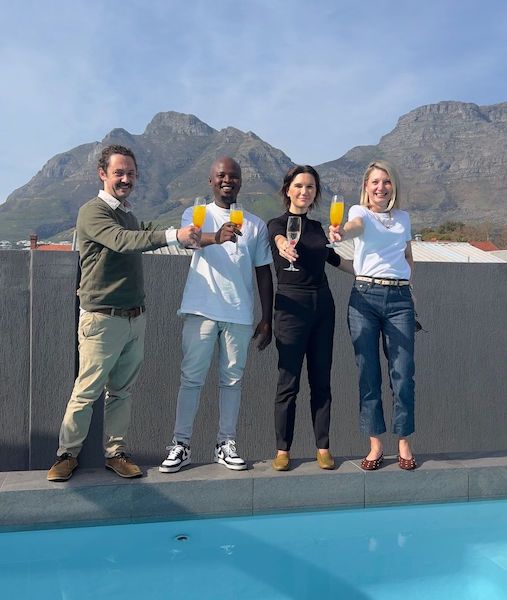
Gustav Reyneke, Avuyile Masekwana, Jillian Clinton and Jeanri-Tine van Zyl-Punt.

Feed That Bird Communication Consultants (Pty) Ltd has secured the Lion Roars Hotels & Lodges marketing account. The partnership sees Feed That Bird entrusted with the full marketing function of the Lion Roars portfolio, spanning digital strategy, social media management, public relations, influencer engagement, design, and content creation.

Feed That Bird will be taking on full marketing responsibilities for the group’s collection of boutique hotels, game lodges, and restaurants across South Africa.

‘We are thrilled to partner with Lion Roars. Not only is it a dynamic portfolio, but the company culture – defined by its can-do spirit, commitment to exceeding expectations, and emphasis on positivity and kindness – aligns strongly with our own values at Feed That Bird,’ said Jeanri-Tine van Zyl, Founder and Director of Feed That Bird. ‘From a marketing perspective, it is especially exciting to partner with a group that allows us to tell such an extensive story: whether it’s experiencing the bustling heart of Cape Town, sipping wine in the Winelands, exploring the unspoilt beauty of the Garden Route, or going on a game drive – Lion Roars has it all.’

Feed That Bird is uniquely positioned to serve the brand in its multiple locations, with its teams based in both Cape Town and George. ‘Beyond this, we are looking forward to introducing our long-standing media and hospitality relationships to Lion Roars, and to engage in authentic storytelling that resonates with travellers,’ said Van Zyl.

Vincent Bouwer, Chief Revenue Officer at Lion Roars, said: ‘As a family-owned group, we were looking for an agency that could relate to our values, offer personalised service, and truly embody the spirit of partnership. Feed That Bird, with its nimble approach and energetic mindset, stood out among full-service agencies. We are excited to welcome the team into the Lion Roars pride and to share our story with visitors both locally and abroad.’

Feed That Bird, celebrating its 10th year in business, values creative storytelling and authentic brand narratives and has worked with numerous established brands in the wine, spirits, lifestyle and corporate sectors. The Lion Roars account marks an exciting step in expanding the agency’s footprint within the travel and tourism space, aligning seamlessly with its lifestyle-driven portfolio.

The partnership officially commenced in August 2025, with a comprehensive marketing rollout already underway under the creative banner: ‘Live Lion Hearted’. This campaign will highlight Lion Roars’ signature warmth, curated guest experiences, and world-class destinations, while building deeper digital engagement with both new and loyal audiences.

FEED THAT BIRD
https://feedthatbird.com/

Judging Opens For 2025 PRISMS Awards

Judging Opens For 2025 Prisms Awards
Paul W. Reynell, Chief Judge of the 2025 PRISMS Awards.

The Public Relations Institute of Southern Africa (PRISA) has officially begun judging for the 2025 PRISMS Awards. Just as Heritage Month reminds us of the values we inherit and pass on, the awards recognise the stories, strategies, and standards that will shape the future of public relations and communications across the African continent.

‘This year’s Awards theme, The Human Factor, could not be more relevant. It speaks directly to the essence of PR, which is the courage to care, the empathy to listen, and the responsibility to act with integrity,’ said Paul W. Reynell, Chief Judge of the 2025 PRISMS Awards and PRISA Vice-President. ‘In an age increasingly defined by data and automation, the PRISMS remind us of what makes communication truly powerful – the ability to connect people, bridge divides, and influence society for the better.’

A panel of 50 esteemed judges, including leaders, mentors, and innovators in the PR profession, will assess campaigns not only on outcomes but also on their humanity and purpose. The judging process also incorporates the PRISM Young Voices Programme, which pairs emerging PR professionals with experienced judges, ensuring that the values of excellence and integrity are passed on to the next generation.

The 2025 PRISMS Awards have received 392 entries, underscoring the strength and creativity of the African PR industry. ‘This response reflects both the resilience of our profession and the appetite for work that demonstrates not just innovation, but impact with heart. It is proof that The Human Factor is alive and thriving in our industry,’ added Reynell.

The winners will be announced on 18 October 2025 at a prestigious gala dinner in Johannesburg, following a two-day industry summit. Both the PRISMS Awards and Summit will bring together communication professionals from across the continent to share insights, celebrate innovation, and collectively shape the future of an industry that continues to evolve while remaining rooted in humanity.

‘Just as heritage celebrates the richness of our past, the PRISMS celebrate the promise of our future, where creativity, integrity, and humanity remain at the heart of communication,’ Reynell concluded.

PRISMS Awards
https://www.prisa.co.za/

Nasty C Stars In Doritos Series

Nasty C Stars In Doritos Series

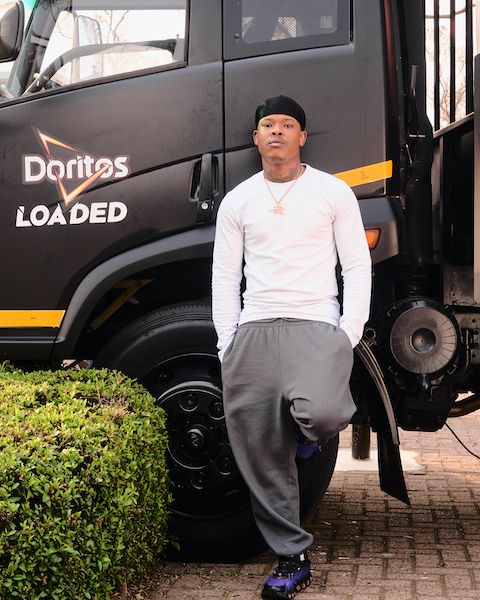
Rap superstar Nasty C recently teamed up with Doritos as he launched his fifth studio album ‘FREE’. The rapper features in the latest episode of In The Truck, a social series that blends culinary and culture, while bringing South Africa’s most captivating personalities into the Doritos Loaded Truck.

Doritos gets some of the country’s most popular personalities to level up their snacking game making Doritos Loaded meals at some of the hottest events around the country, discussing careers, passions and their unique takes on culture and flavour.

The latest In The Truck episode features Nasty C dropping an exclusive teaser to his lead song ‘Switch”, which is a heartfelt anthem where he also reflects on the family he was born into and the one he’s built for himself. In addition to giving fans an exclusive listen to this lead single off the upcoming album ‘FREE’, Nasty C also delivers a bold freestyle to inspiring lyrics from the album encouraging others to celebrate the wins of those around them.

In the episode, Nasty C candidly reflects on his new album:

‘My new album ‘FREE’ is basically inspired by wanting to be free, but also just feeling very free. Free from a lot of things that have had like a hold on me, whether it’s mentally or literally. Fans can expect to hear some honest music in there, some vulnerability, a lot of like introspective stuff, but also some vibes, some club bangers, you know, something that you can dance to,’ commented the rapper.

The highly anticipated album was released 12th Sept, is Nasty C’s 5th studio album, the first on his own label Tall Racks, and signals a brave new era for the Durban-native. A sonic declaration of independence, ‘FREE’ is a project that reflects the rapper’s journey not just as an artist but as a man reclaiming his voice, his time, and his truth.

‘Doritos is all about encouraging consumers to be bold enough to be themselves,’ commented Jaydee Newman, Brand Manager for Doritos at PepsiCo South Africa. ‘With In The Truck we are taking it a step further by merging culinary cuisine with culture in partnership, telling the real stories of personalities who embody bold self-expression. We’re excited to collaborate with the boldest rapper in the game, Nasty C, on this episode and we look forward to sharing his journey and the journeys of others.’

PEPSICO
https://sa.pepsico.africa/

King Price Announces New Campaign

King Price Announces New Campaign

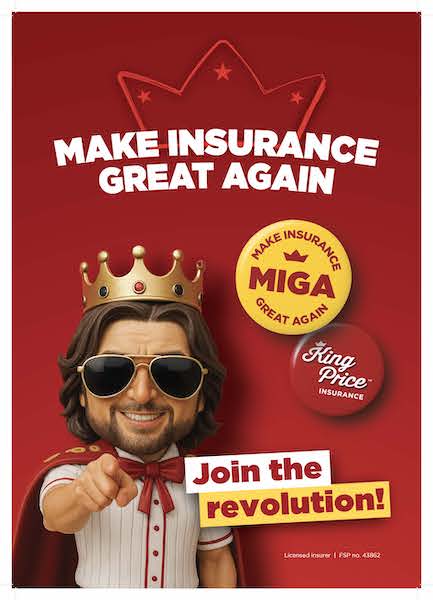
King Price has launched its new campaign called ‘Make insurance great again’. The first element, a tongue-in-cheek radio ad that dropped on 15 September, promised to ‘build a wall around high premiums’ and ‘grab poor service by the policy.’ It’s irreverent and playful.

‘We’re all about disrupting the insurance market and shaking things up, because why not? South African humour and our people’s passion are at the heart of what we do. Our new campaign follows in those footsteps: A little cheek, a lot of passion,’ said De Wet van Deventer, head of marketing at King Price.

‘In commercial insurance especially, the human touch has disappeared. Too often, clients end up dealing with bots instead of real people,’ said CEO Justinus van der Westhuyzen. ‘We believe in putting relationships back at the heart of insurance. That’s how we’ll make insurance truly great again.’

‘Make insurance great again’ is fun. It’s fearless. And yes, it’s a little outrageous. But then again, that’s how King Price has made its mark. No fake news (or fake tan). Just lekker insurance. Just unapologetically South African.

KING PRICE
https://insurance.kingprice.co.za/

LePub Johannesburg Announces Head Of Strategy

LePub Johannesburg Announces Head Of Strategy
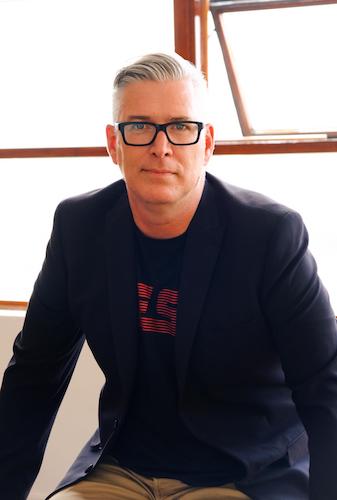
Kurt Jossie, LePub Johannesburg.

LePub Johannesburg has strengthened its strategic leadership with the appointment of Kurt Jossie. Jossie brings a wealth of strategic experience, having shaped brand narratives for some of the country’s most iconic names. His appointment marks a pivotal step in LePub’s evolution – deepening its strategic capabilities and sharpening the role of data and cultural intelligence in the creative process.

‘Strategy’s role in marketing is to identify opportunity, whether short-term, long-term, or both. Whether for imaginative creative genius, practical commercial success, or both. To do that, I ask a lot of questions. Some may sound naïve, some off-topic, some even a little judgmental. But every one of them is aimed at understanding the challenge better, so we can unlock the biggest possible win. Nothing more, nothing less,’ said Jossie.

‘Jossie brings a rare blend of analytical sharpness and creative empathy,’ said Greg Pfuhl, Managing Director at LePub Johannesburg. ‘His ability to decode cultural signals and turn them into actionable strategy will be key as we continue to build ideas that live in culture and move markets.’

‘At LePub, we believe creativity is most powerful when it’s rooted in truth,’ added Graeme Jenner, Executive Creative Director. ‘Our work thrives at the intersection of data and emotion, and Jossie’s leadership will help us push that even further.’

LEPUB
https://www.le.pub/

How Brands Can Leverage Passion As Currency

How Brands Can Leverage Passion As Currency
Jessica Porter, Levergy.

Jessica Porter, the Head of PR at Levergy, says an audience’s shared passion has fast emerged as the new currency of connection. In this emotional economy, consumers trade their time and loyalty for brands that truly fuel the things they love – this could be anything from music, fitness, food, sports, gaming or even bird watching.

Everywhere we turn, we hear brands saying, ‘we need to target Gen Zs’. While that makes sense as a ‘target audience’, the truth is that Gen Zs are not all the same. And so, the smart question is: How are brands earning the attention, trust and loyalty of their target audiences?

The answer isn’t always about louder advertising and better targeting. It’s about tapping into something more human, and ultimately more powerful: passion.

In fact, Passion Pulse research shows that 78% of South Africans rate their commitment to their passions between 8 and 10. That’s not a casual interest, that’s a cultural signal, and brands that recognise its value are better positioned to connect meaningfully.

For so long, the status quo has been about dissecting our audiences into neat demographic segments because ‘we absolutely need to target a 23-year-old female, with blue eyes that still lives with her parents in a small town in KZN’. I am not disputing that age, gender, location and income aren’t important because they are. But sometimes it just isn’t enough. In today’s hyper-personalised, culture-first world, understanding passions has become just as important as understanding demographics.

Think about it this way: the Gen Z sneakerhead from Cape Town and the Millennial streetwear enthusiast from Braam may live in different parts of the country and be in different age groups but through their shared passion of sneaker culture, there is a clear connection. The more brands identify that passions could fall across demographic profiles, the more they open themselves up to more meaningful engagements.

Simply put, demographics tell you who people are, but their passions tell you who they want to be. Don’t be confused by what passions are. These are not hobbies, they form part of someone’s identity. In order for a brand to become part of that culture, they need to authentically step into the spaces where passions connect.

Think about those moments that bring strangers together, the kind that make your chest tighten, your voice rise, and your guard drop. It could be the drop of a beat at a festival, a long-range goal in a local derby, or the twist in an eGaming tournament streamed live by thousands. These are the modern rituals that unite communities and blur the lines between sport, culture and identity, and connect us across geographies, generations and genres.

Every time the Boks step onto the field there is the Mexican wave of goosebumps that goes beyond those that are in the stadium; that moment becomes the ritual of national pride. Rugby fan or not, you feel it and are part of something bigger. You hear the national anthem, you see it in the sea of green and gold, you feel it in your chest when you celebrate with the stranger next to you. It’s not just about rugby. It’s about what happens when a collective passion of national pride becomes a moment of unity.

Whether it’s through sport, music, fashion, or gaming, fan communities are built on shared participation and passions. So, when brands authentically meet people in these moments of unity, whether it be through content, experiences or product, you are no longer just seen but you are felt and ultimately you become more than just a sponsor.

Some of the most culture-shifting brands didn’t build their names on product alone, they built them by championing what people care about most. Patagonia doesn’t just sell outdoor gear; it fuels a passion for protecting the planet, showing us that activism can be stitched into the very fabric of a brand.

In one of the most unexpected crossovers, Louis Vuitton partnered with League of Legends, stepping into the world of esports not just as an outsider but as a co-creator by designing in-game skins, championship trophy cases as well as a real-world capsule collection – showcasing that a luxury brand could seamlessly integrate themselves into gaming culture by tapping into an entirely new generation of fans, and proved that credibility in a new space isn’t about heritage. These brands don’t interrupt passion, they amplify it. And in doing so, they’ve become more than brands. They’ve become belief systems.

With 62% likely to remain loyal to brands that support their passion, brands need to focus on the shift from ‘what we sell’ to ‘what we stand for and who we serve’. It’s about embedding your brand authentically into the culture and communities that matter to your audience.

You are not in the game until you are in the culture. So, to truly leverage passion as currency, brands need to stop trying to shout louder than their competitors and start learning how to belong. That means showing up where passions thrive, with relevance, value and intent. Whether you’re creating content that adds to sneaker culture, supporting grassroots sport, or co-creating with gaming creators, passion-led branding starts with service, not spotlight. It’s not about saying ‘look at us’, it’s about saying, ‘we see you’.

LEVERGY
www.levergy.co.za

This is Modern Marketing