

This Black Friday, South Africa’s 18-to-25-year-olds will direct more spend toward skincare, supplements, gym memberships, functional beverages, self-care tech, affordable fashion basics, gaming credits and daily wellness rituals than toward traditional status items like sneakers or high-end phones.
‘At first, it looks like a quirky Gen Z shift. In reality, it is a sign of strain,’ said youth culture expert Greg Potterton.
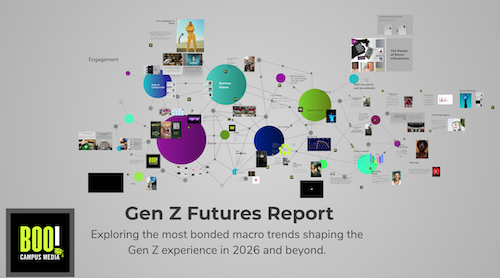
Potterton and his team at BOO! Campus Media conducted extensive research, including interviews with more than 120 student influencers, to gain insights into the habits and preferences of today’s teens and 20-somethings, for the newly released Gen Z Futures Report.
‘When you look at their spending preferences, skincare is part of it, but the pattern runs across categories,’ he said. ‘They are buying moisturiser, magnesium gummies, energy drinks, yoga mats, inexpensive earbuds, fashion basics, journaling kits, and therapy apps. These are not purchases designed to flex. They are purchases designed to cope.
As Nia, a 22-year-old student, puts it, ‘I spend more than I should on my monthly rituals, but it’s not about beauty, it’s about self-care.’
Anxious, Financially Stretched And Digitally Over-Exposed
Gen Z is the most anxious, financially stretched and digitally exposed generation in modern South Africa. Their days are shaped by financial stress, a punishing job market and constant social comparison. In a world this unpredictable, small routines become anchors. A skincare routine. A run. A comfort hoodie. A gaming session. A functional drink before an exam. ‘These micro habits restore a sense of control,’ said Potterton.
The same logic shows up in their preferences, the Gen Z research reveals. They choose value tech over prestige devices because reliability is worth more than status. They choose basics over heavy branding because comfort matters. They pick low and non-alcoholic beverages over late nights out because they are exhausted. They spend on gaming, streaming and podcasts because they need mental escape. ‘I buy things that make life feel manageable, not things to show off,’ said Matthew, a 21-year-old student.
‘What connects all of it is simple. They are buying things that make them feel better, not look richer,’ Potterton explained. ‘Retailers will celebrate the rise in wellness-focused spending, but underneath it is a generation quietly communicating how overwhelmed they are. Skincare did not suddenly become cooler than sneakers. Feeling okay simply became more important than being impressive.’
‘Black Friday will not reveal a generation obsessed with consumption. It will reveal a generation searching for stability,’ said Potterton. ‘If we want to understand Gen Z this year, we should stop asking what they are buying and start asking why they need it.’
The top 15 consumer facts and insights revealed in The Gen Z Futures Report:
1. At a total population size of 19 million, this group of 13- to 28-year-olds currently make up an estimated 29% of South Africa’s population.
2. By 2030, this cohort is projected to have an annual spending power of more than R1.1 trillion.
3.They already influence more than 80% of household purchasing decisions, making them a cultural and economic force no brand can afford to ignore.
4. More than 72% say affordability is a major purchasing consideration, and they expect brands to offer student discounts and bundle deals. Affordability earns their loyalty.
5. In South Africa, although many Gen Zs earn under R5000 (excluding side hustles), they are skilled at managing their money, saving an average of R1800 a month.
6. More than 60% are also running side hustles to supplement their income in order to cope with the cost-of-living crisis.
7. They mainly spend on data, airtime, food, drinks, beauty, gadgets and entertainment – and value durable, high-quality goods that give them a sense of stability, identity and cultural relevance.
8. Today’s 20-somethings value ‘slow communities’, favouring real-world connection and slow living over the burnout experienced from hyper-speed digital life, parasocial connection (one-sided emotional connection with celebrities or influencers, who are unaware of their existence), and the feeling of being ‘always on’.
9. Similarly, they favour re-wearing, upcycling and spending on ‘investment pieces’ with longevity that express authentic identity, rather than rapid turnover of micro-trends.
10. In fact, 73% are willing to pay more for products that align with their values or reflect their identity rather than the latest trend.
11. Gen Z is shifting from mere aesthetics to the underlying value of brands… and seeks brands that demonstrate genuine commitments to sustainability, diversity and ethical practices.’
12. Up to 40% of Gen Zs grapple with anxiety and view rest as an act of quiet rebellion in the face of academic burnout, financial and political stress, and climate pressures.
13. 70% of Gen Zs prize financial independence – something that was easier for older generations – and they value brands that guide them there.
14. 61% describe themselves as ‘forever customers… if brands deliver on authenticity, quality and value’.
15. The Gen Z generation is digitally over-exposed: they receive an average of 10,000 messages a day and spend about 7 hours a day on their phones. They do a lot of their consumption there.
BOO MEDIA
https://boomedia.co.za/